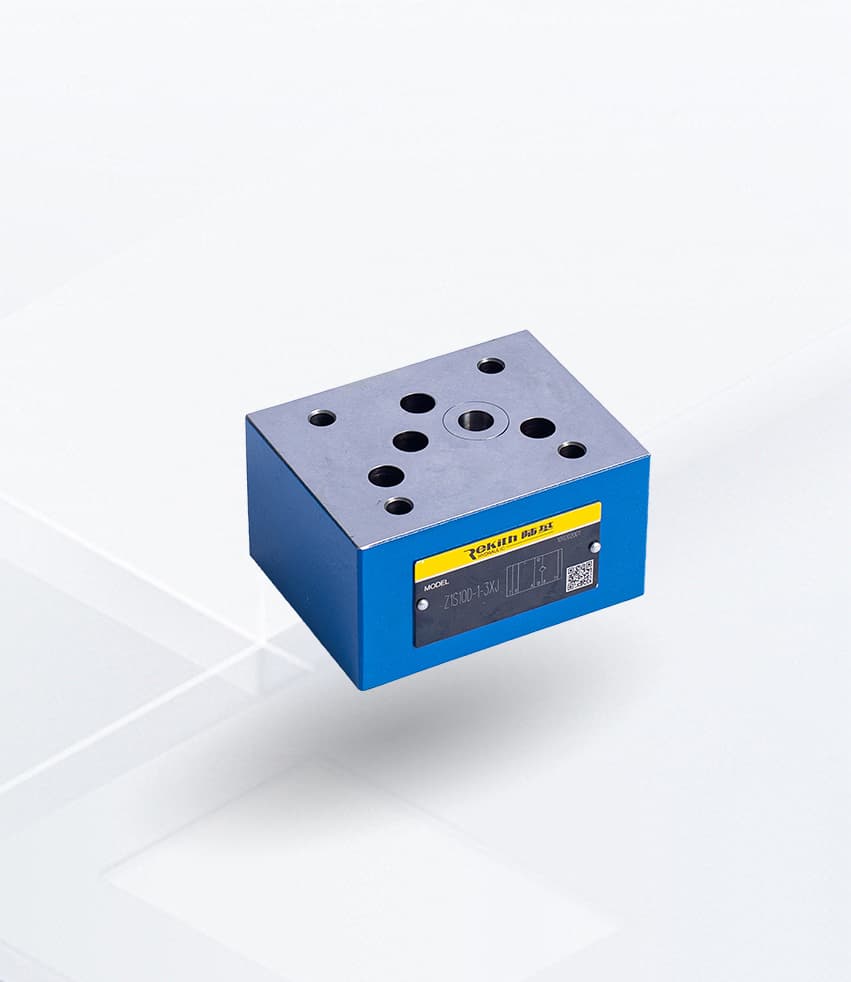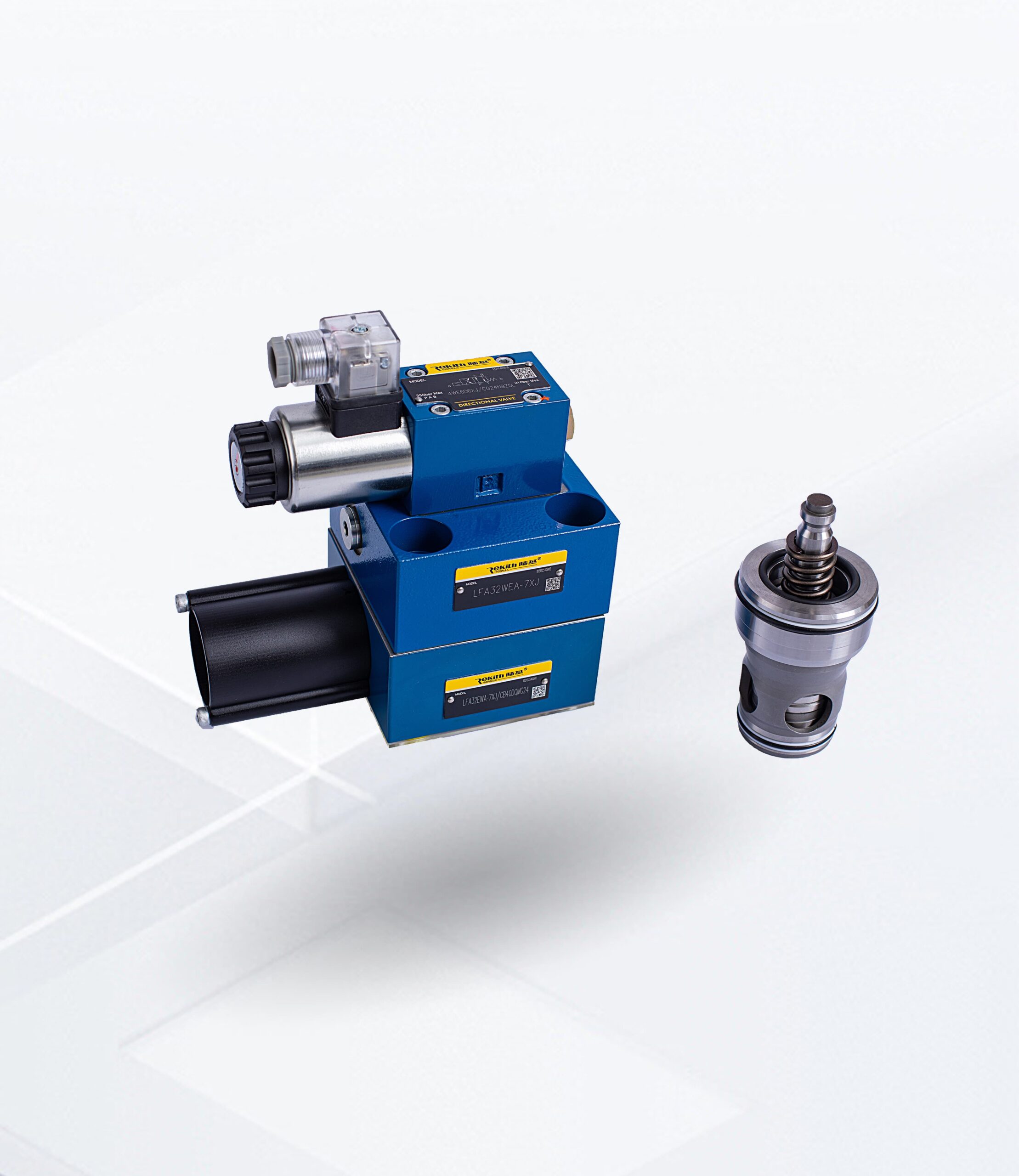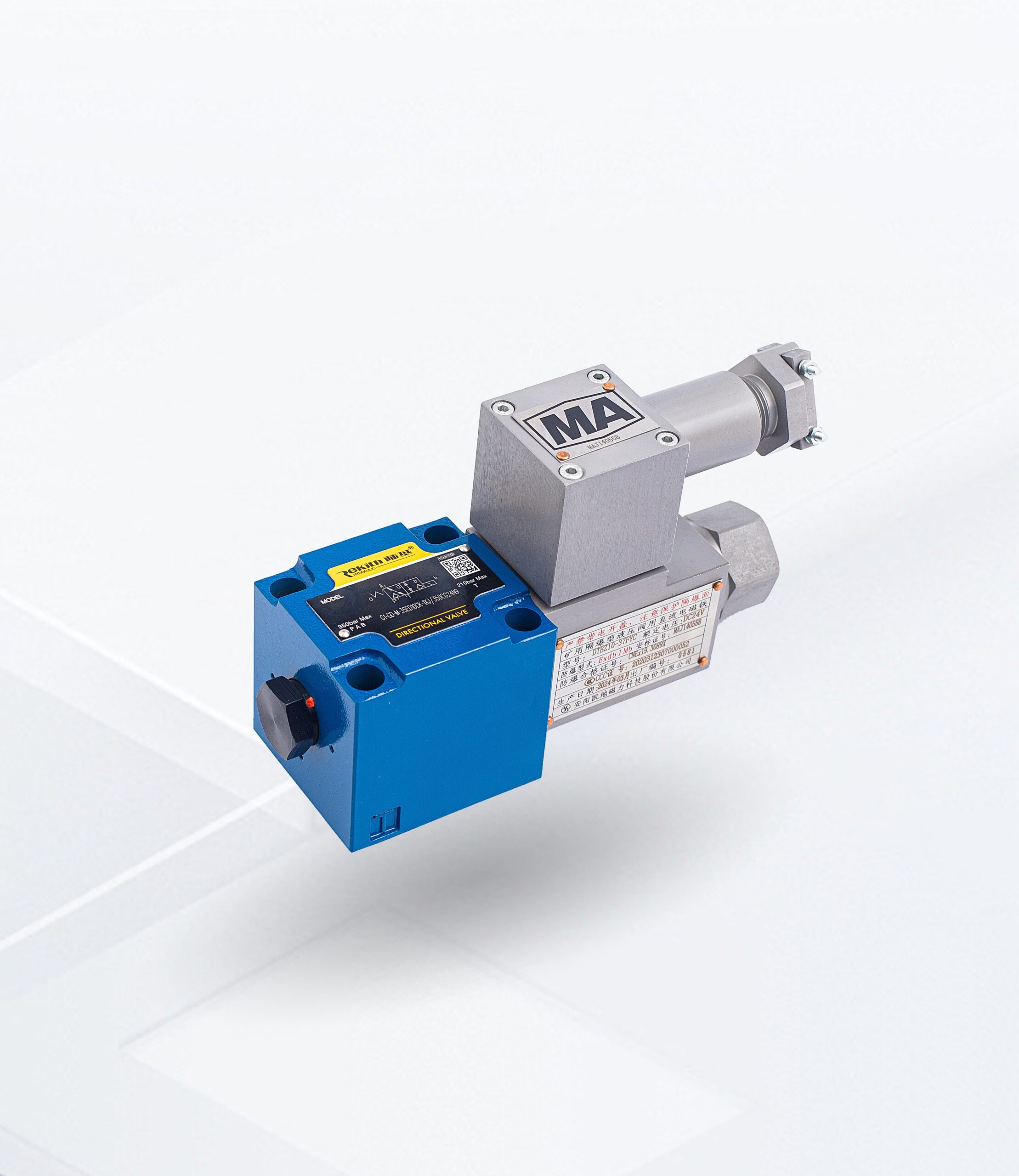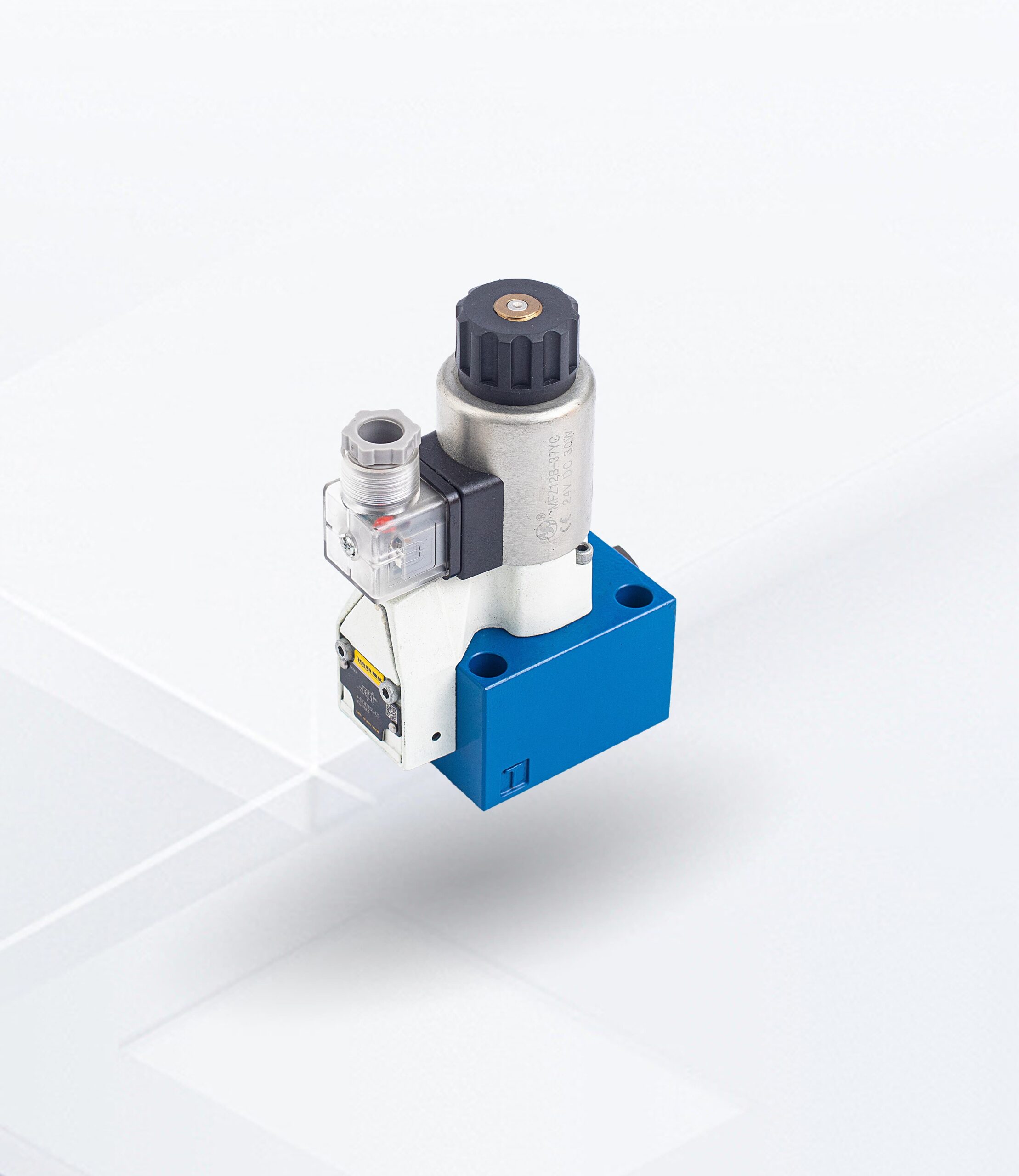

Hydraulic manifolds are the structural core of modern high-pressure systems. By integrating fluid pathways directly into a metal block, manifolds simplify complex circuits, eliminate leakage points, and reduce the overall system footprint.
However, a manifold is only as good as its machining quality. When shortcuts are taken during CNC operations, deburring, or cleaning, the resulting contamination can lead to catastrophic failure months later.
In this guide, we break down the 8 critical stages of hydraulic manifold manufacturing and provide a technical checklist for choosing the right fabrication partner.
What Is Hydraulic Manifold Machining?
Hydraulic manifold machining is a high-precision CNC process used to produce valve blocks that route fluid between pumps, actuators, and valves.
By replacing external piping with precisely machined internal flow passages, manifolds offer:
- Zero-leak Integrity: Drastically reduces external tubing and fittings (up to 90%).
- Predictable Fluid Dynamics: Repeatable flow behavior across all circuits.
- Space Optimization: Essential for mobile equipment and compact industrial units.
- Troubleshooting Simplicity: Easier diagnosis compared to “spaghetti” hose layouts.
Since the block defines how fluid moves through the entire system, machining accuracy is the single most important factor for long-term hydraulic efficiency.
Why Machining Quality is the “Silent” Failure Point
Engineers often struggle with erratic actuator motion or internal leakage even after flushing the system. The root cause is frequently hidden inside the manifold:
- Misaligned Cross-Drilling: Causes turbulence, noise, and pressure drops.
- Retained Machining Burrs: The #1 cause of jammed proportional valve spools.
- Substandard Sealing Surfaces: Leads to O-ring blowouts at high pressures (350+ Bar).
Industry data suggests that 90% of solenoid valve failures are caused by contamination—and much of that contamination originates from poorly deburred manifold blocks during the manufacturing phase.
The 8-Stage Manufacturing Process: From Design to Validation
Stage 1: Engineering Design & Fluid Simulation
Precision starts in CAD. We use the Darcy-Weisbach formula to minimize pressure loss:
ΔP = f · (L/D) · (ρ v² / 2)
Design targets include a minimum wall thickness of 3mm to withstand pressure cycling and a layout that optimizes CETOP/ISO mounting interfaces (D03, D05, etc.).
Stage 2: Material Selection & Stress Relief
| Material | Grau | Pressão Máxima | Use Case |
|---|---|---|---|
| Alumínio | 6061-T6 / 7075-T7 | 210 Bar | Mobile Equipment (Lightweight) |
| Ferro fundido dúctil | ASTM A536 | 350 Bar | High-Cycle Industrial Machinery |
| Alloy Steel | SAE 4140 | 420+ Bar | Extreme Pressure/Shock Loads |
| Stainless Steel | 316L | 350 Bar | Marine/Corrosive Environments |
Note: Cast iron and steel blocks often undergo aging treatment to relieve internal stress before machining to ensure long-term dimensional stability.
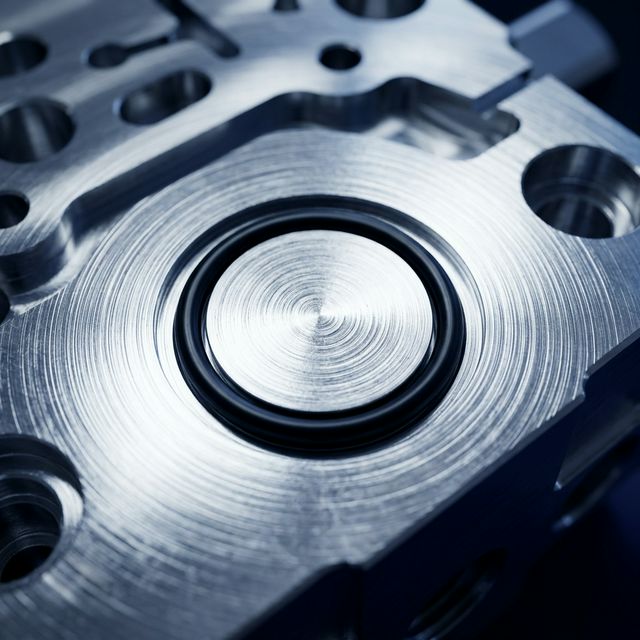
Stage 3: Surface Milling & Precision Facing
Valve mounting surfaces must meet a roughness of Ra ≤ 0.4 µm and flatness of ≤ 0.01 mm. High-precision blocks often require a face-grinding process to achieve this benchmark.
Stage 4: Deep-Hole Drilling Capabilities
Conventional drilling fails at depth-to-diameter ratios above 5:1 due to heat and chip buildup. Precision manifolds require Gun Drilling to maintain straightness (≤ 0.1mm per 100mm) at ratios of 20:1 or higher.
Common Drilling Errors to Avoid:
- Bore Deviation: Caused by dull tools or low coolant pressure.
- Wall Breakthrough: Miscalculation of cross-drill intersections.
Stage 5: 5-Axis CNC & Valve Cavity Machining
For compact circuit designs or multi-face valve mounting, 5-axis CNC machining centers are essential:
- Precision (±0.005 mm): Completes complex blocks in two setups, eliminating the cumulative positional errors found in 3-axis setups.
- Efficiency: Reduces internal passage lengths and optimizes fluid routing.
Stage 6: The “Secret” Stage — Thermal Deburring (TEM)
Contamination from retained machining burrs accounts for ~75% of new system failures. Thermal Energy Method (TEM) uses a controlled methane-oxygen reaction to vaporize burrs in internal galleries that manual tools cannot reach — ensuring they never break loose during operation.
Stage 7: Cleaning & ISO 4406 Cleanliness Verification
Final stages involve ultrasonic baths and high-pressure oil flushing.
- Calculated Target: Proportional valves typically require ISO 18/16/13; Servo valves require ISO 16/14/11.
Stage 8: Hydrostatic Testing & QC
Every manifold must be proof-tested at 1.5× the rated working pressure per ASME B31 guidelines. Critical bores are verified using CMM (Coordinate Measuring Machine) systems.
Technical Checklist: How to Evaluate a Manifold Manufacturer
Escolher um hydraulic manifold manufacturer is a strategic engineering decision. Use this Technical Audit Checklist to screen potential partners:
- Machining Inventory: Do they possess 5-axis centers and gun-drilling equipment?
- Deburring Standards: Is Thermal Deburring (TEM) available, or do they rely solely on manual picks?
- Measurement Traceability: Can they provide CMM reports for H7 valve cavities?
- Cleanliness Certification: Are they equipped with Automatic Particle Counters (APC) to verify ISO 4406 levels?
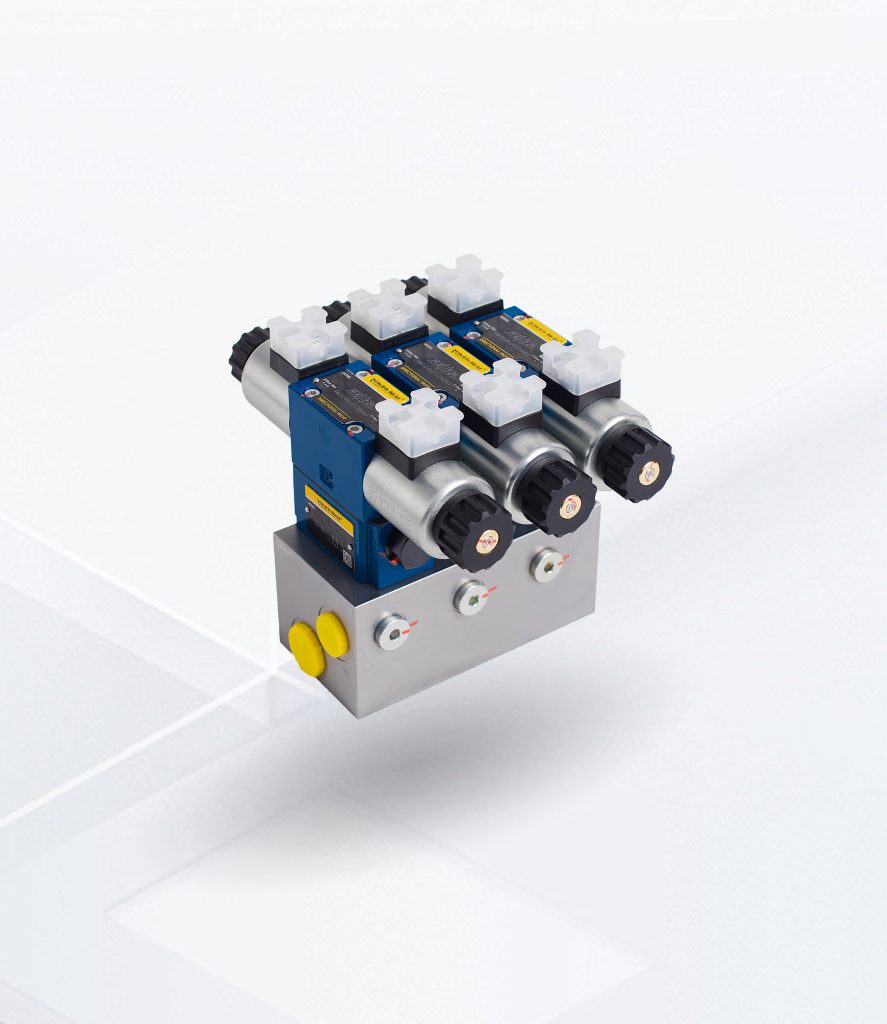
Industry Applications: Where Machining Quality Wins
- Moldagem por injeção: Requires D03/D05 sub-plate manifolds for rapid cycle times.
- Máquinas de construção: Uses high-density cartridge valve blocks for boom/bucket control.
- Marine Systems: Corrosion-resistant 316L manifolds for winches/steering.
- Metal Forming: High-pressure (420+ bar) forged steel blocks for press brakes.
Conclusão
Hydraulic manifold machining quality is the invisible determinant of machine uptime. From the initial Darcy-Weisbach calculations to the final 1.5x pressure burst test, Rekith Hydraulics builds blocks to a mathematical standard of excellence.
FAQ
- Q: Why use Aluminum? A: Aluminum is ideal for weight-sensitive mobile equipment but capped at 210 Bar.
- Q: Gun vs. Conventional Drilling? A: Use gun drilling for any passage where the length/diameter ratio exceeds 5:1 to avoid “bore drift.”
- Q: Why do valves jam in new systems? A: 99% of the time, it is due to residual machining burrs that were not removed via TEM deburring.