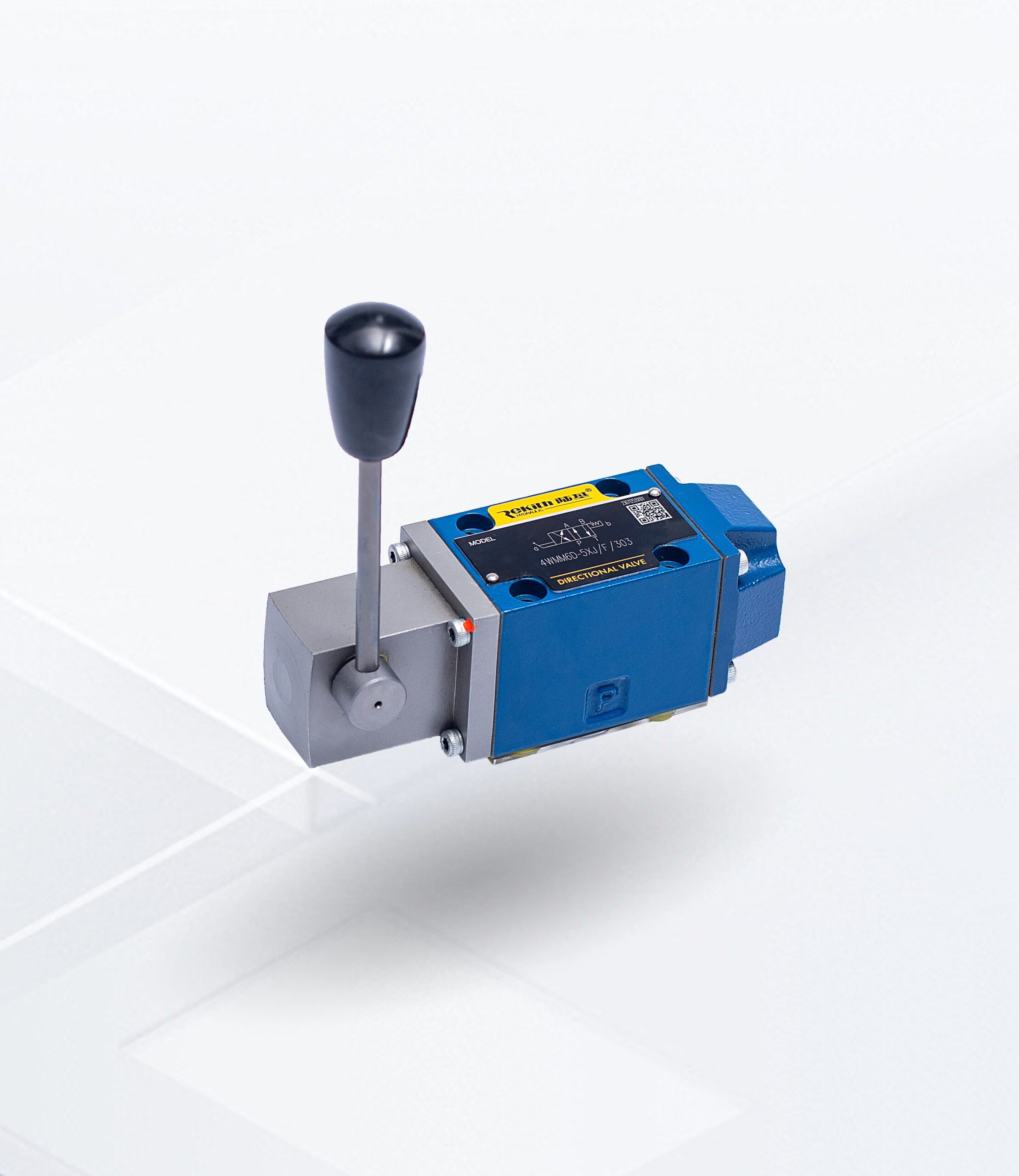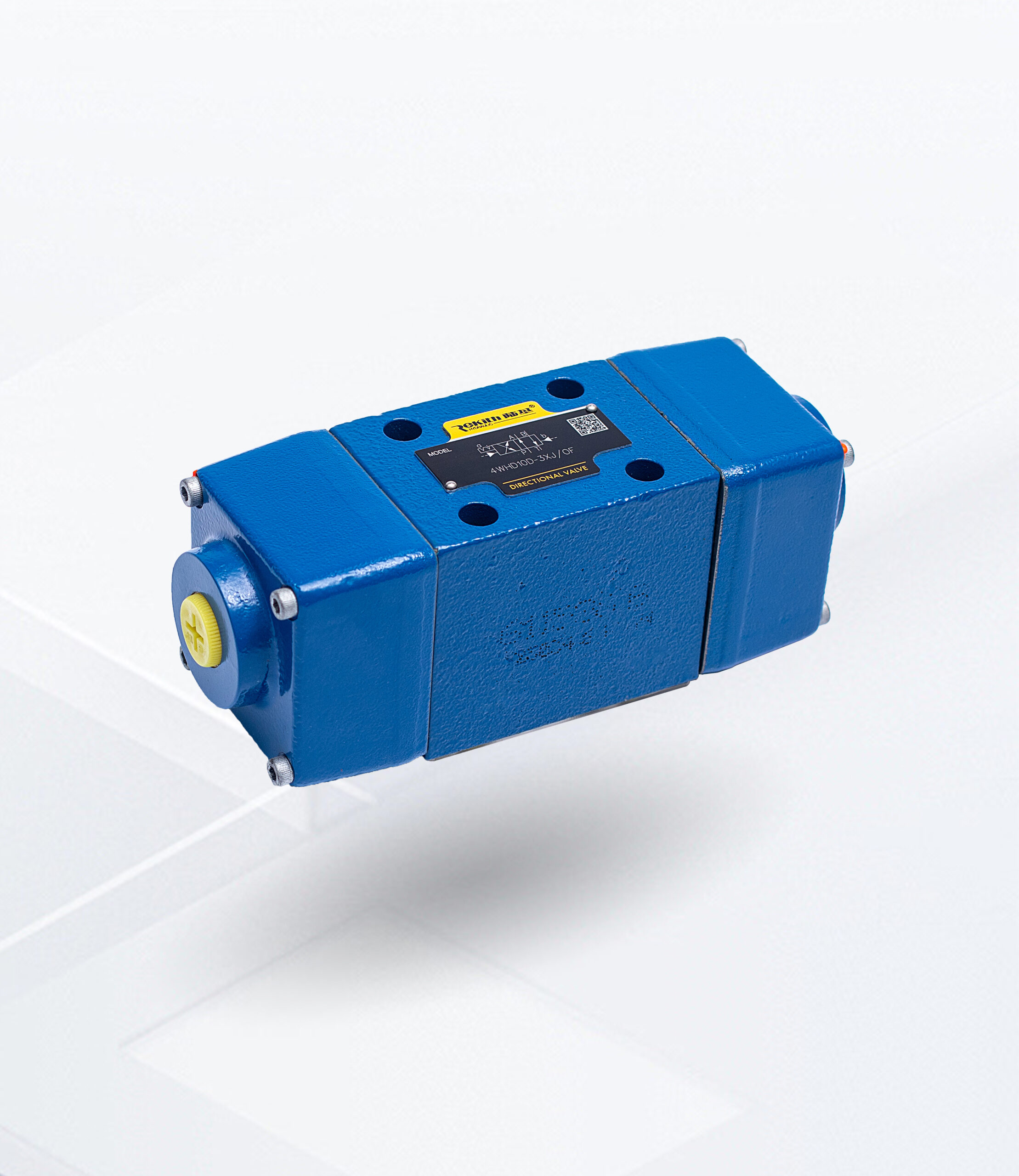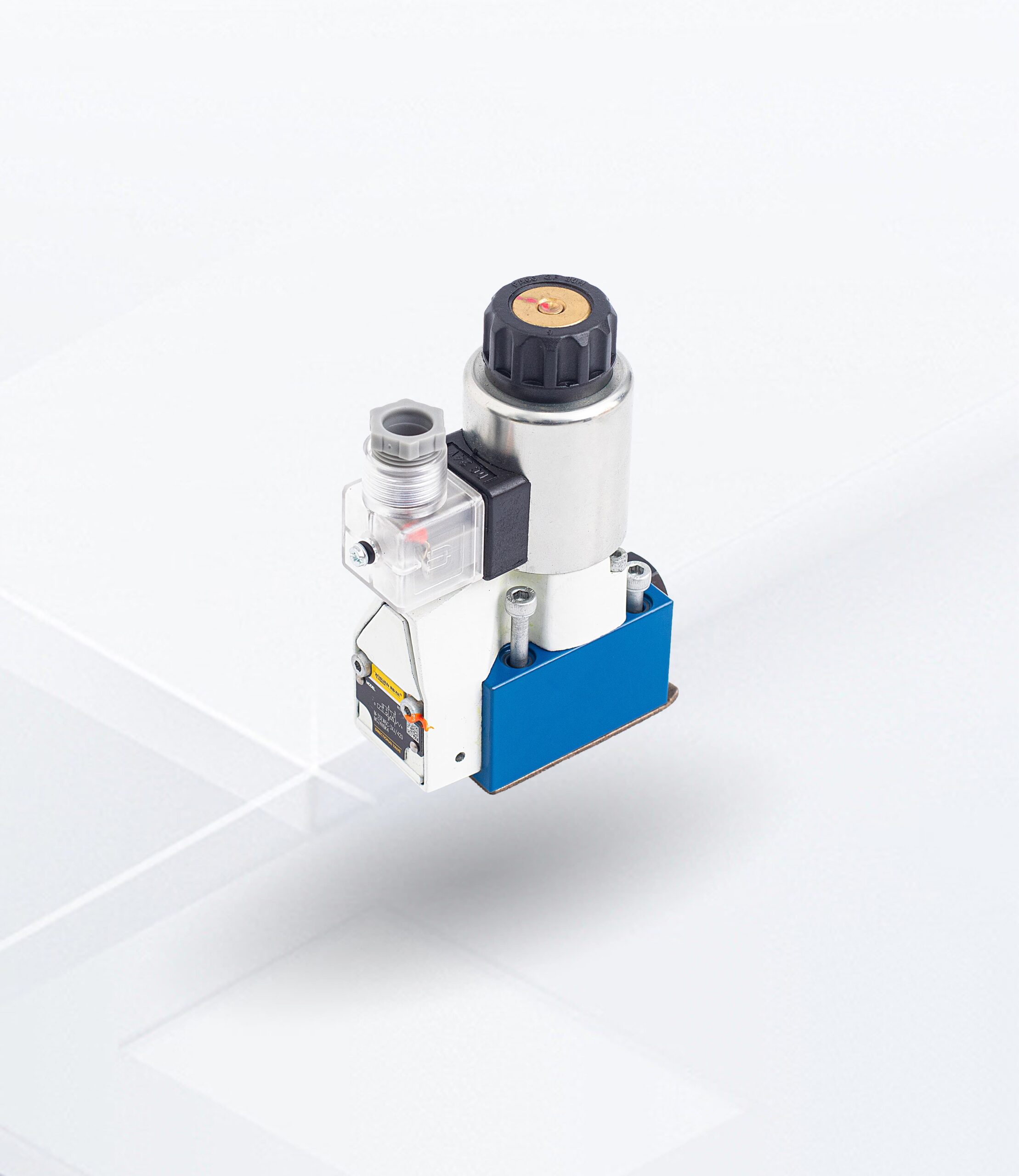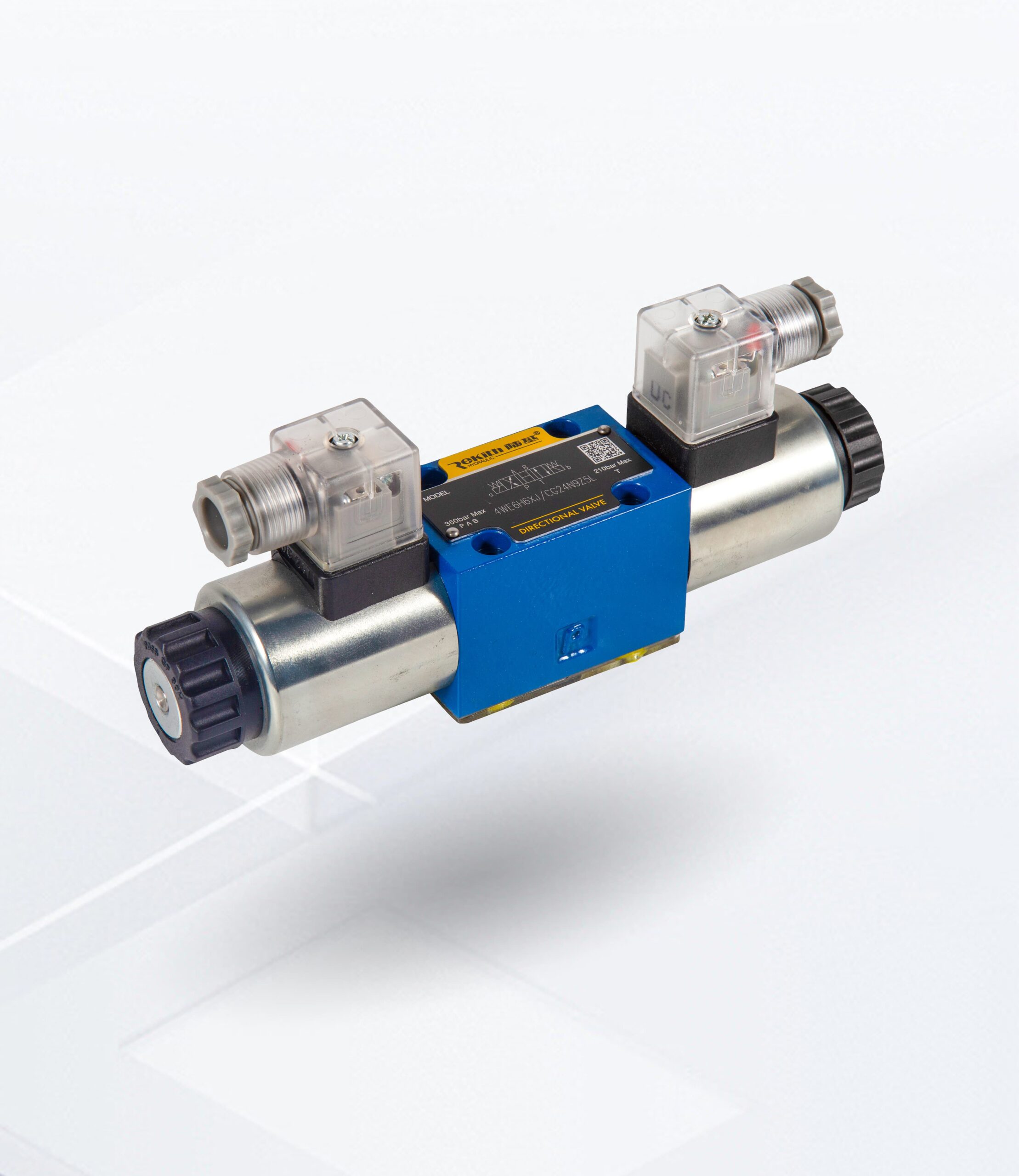

Выбор правильного hydraulic directional valve for mining equipment is not just about matching size or pressure rating.
In underground environments, most failures are not caused by choosing the wrong valve type — they come from unstable power supply, insufficient ingress protection, or incorrect specification details.
If your system “works at first, then starts failing,” this guide will help you identify why — and how to prevent it at the selection stage.
Why Hydraulic Valves Fail in Mining Equipment
In underground mining, directional valves are exposed to conditions far beyond standard industrial environments.
The most common failure symptoms include:
- Repeated coil burnout with no clear cause
- Water ingress through connectors over time
- Unstable or jerky valve operation
- Use of non-compliant valves in hazardous environments
These are usually not random failures, but the result of three key specification issues:
- Incorrect voltage selection
- Insufficient ingress protection
- Missing or incorrect explosion-proof certification

Where Directional Valves Are Used in Mining Equipment
Roof Bolting Machines (Rock Bolt Rigs)
- High-frequency operation
- Continuous water spray
- Typically generator-powered
Common issues:
- Coil overheating or failure
- Connector leakage
- Unstable actuation
Recommended configuration:
- 28V DC wide-range coil (20–32V)
- IP67-rated connectors
- NG6 (CETOP 3) mounting
Longwall Mining Shields
- High cycle frequency
- Synchronized multi-unit control
Recommended configuration:
- NG6 for control circuits
- NG10 / NG16 for high-flow functions
- Pilot-operated valves for stability
Continuous Miners and Roadheaders
- Constant vibration + dust + load variation
Common issues:
- Coil loosening
- Dust and moisture ingress
- Spool sticking or delayed response
Recommended configuration:
- Mechanically secured coils
- IP67 protection
- ATEX / IECEx-certified valves
Hoisting and Winding Systems
This is a safety-critical application, where valve behavior directly affects load control.
Key requirements:
- Fail-safe spool position
- Integration with load-holding systems
- Proportional control for smooth motion
In practice, these systems are part of a broader safety architecture, and valves must integrate reliably within it.
Mineral Processing Equipment (Surface Plants)
- High ambient temperature
- Continuous operation
Recommended configuration:
- NG6 / NG10 mounting
- Temperature-resistant coils
- Viton seals for fire-resistant fluids

How to Select a Mining Hydraulic Directional Valve
When selecting an underground mining hydraulic valve, focus on these key parameters:
1. Coil Voltage
- Generator-powered systems: 28V DC wide-range (20–32V)
- Stable power supply: 24V DC acceptable
2. Ingress Protection
- Underground: IP67 minimum
- Surface: IP65 typically sufficient
3. Mounting Standard
- NG6 (CETOP 3)
- NG10 (CETOP 5)
Ensure compatibility with ISO 4401 interfaces.
4. Seal Material
- Underground or fire-resistant fluids: Viton
- Standard systems: NBR
5. Certification
- Hazardous environments: ATEX / IECEx required
- Non-hazardous: not required
Why 24V Coils Fail in Underground Mining
One of the most common issues in underground equipment is repeated coil failure without an obvious mechanical cause.
The root issue is unstable power supply.
Generator-driven systems produce voltage fluctuations depending on load conditions.
In practice, this leads to:
- Increased thermal stress inside the coil
- Unstable magnetic force
- Gradual insulation degradation
The result:
- Frequent coil replacement
- Unstable valve operation
Решение:
Use 28V DC wide-range coils, designed to operate reliably across 20–32V input.
Why IP67 Is Required for Mining Solenoid Valves
IP65 is often used initially, but tends to fail over time in underground conditions.
Actual environment:
- Continuous water spray
- Dust mixed with moisture
- Long-term exposure under pressure
IP65 protects against water jets — not prolonged exposure.
IP67 provides:
- Protection against temporary immersion
- More reliable long-term sealing
In underground mining, IP67 is the practical minimum standard.
ATEX / IECEx Requirements
In methane or dust-explosive environments, standard valves are not safe.
Explosion-proof solenoid valves (Ex d type) are required to:
- Contain internal ignition sources
- Prevent ignition of surrounding atmosphere
Applicable standards include:
- ATEX Directive 2014/34/EU
- IECEx
Selection must match:
- Zone classification (Zone 1 / Zone 21)
- Gas group
- Temperature class
Mining Hydraulic Valve Replacement and Cross-Reference
Many mining equipment drawings specify valves from manufacturers such as Bosch Rexroth, Parker Hannifin, or others.
In real projects, common challenges include:
- Long lead times
- High minimum order quantities
- Difficulty sourcing urgent replacements
Because most directional valves follow ISO 4401 / CETOP standards, alternatives can be used when:
- Mounting interface matches (e.g., NG6 / NG10)
- Pressure rating matches
- Spool function is equivalent (e.g., 4/2, 4/3)
- Electrical specifications match
Important:
Replacement is functionally equivalent — not identical in internal design.
For critical applications, engineering validation or sample testing is recommended before full replacement.
If you are unsure about your current valve model, you can provide a nameplate photo or model code for evaluation.
How to Avoid Supply Delays in Mining Projects
In real-world projects, valve lead time can delay entire systems.
When sourcing valves, prioritize:
- Technical compatibility
- Availability of fast samples
- Engineering support
If a valve repeatedly fails in the field, replacing it with the same specification often does not solve the problem — specification adjustment is usually required.
Часто задаваемые вопросы
Can I use a standard 24V DC valve underground?
Yes, but in generator-powered systems, coil life is typically shorter. Wide-range coils provide more stable performance.
Is IP67 really necessary?
In underground environments, IP67 significantly improves long-term reliability compared to IP65.
What is the typical lead time for mining valves?
Lead times vary by supplier — from a few days to several weeks.
Request a Mining Valve Cross-Reference
If you are dealing with:
- repeated coil failures
- water ingress issues
- difficulty sourcing specified valves
Share your valve model and application details to receive:
- Compatibility confirmation
- Application-based selection recommendations
- Sample support for testing
[📋 Request Mining Valve Quote] · 📦 View Directional Valve Range