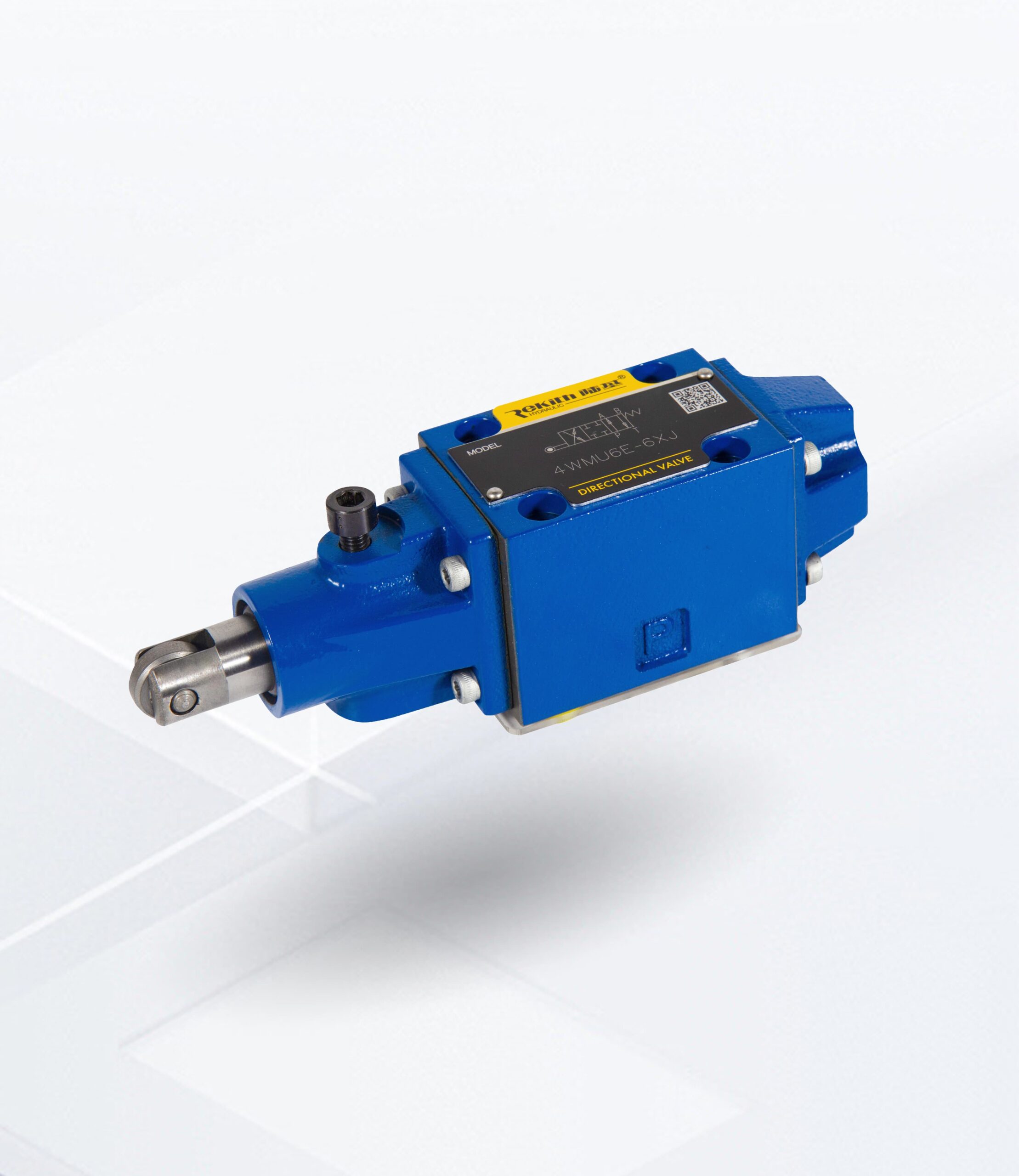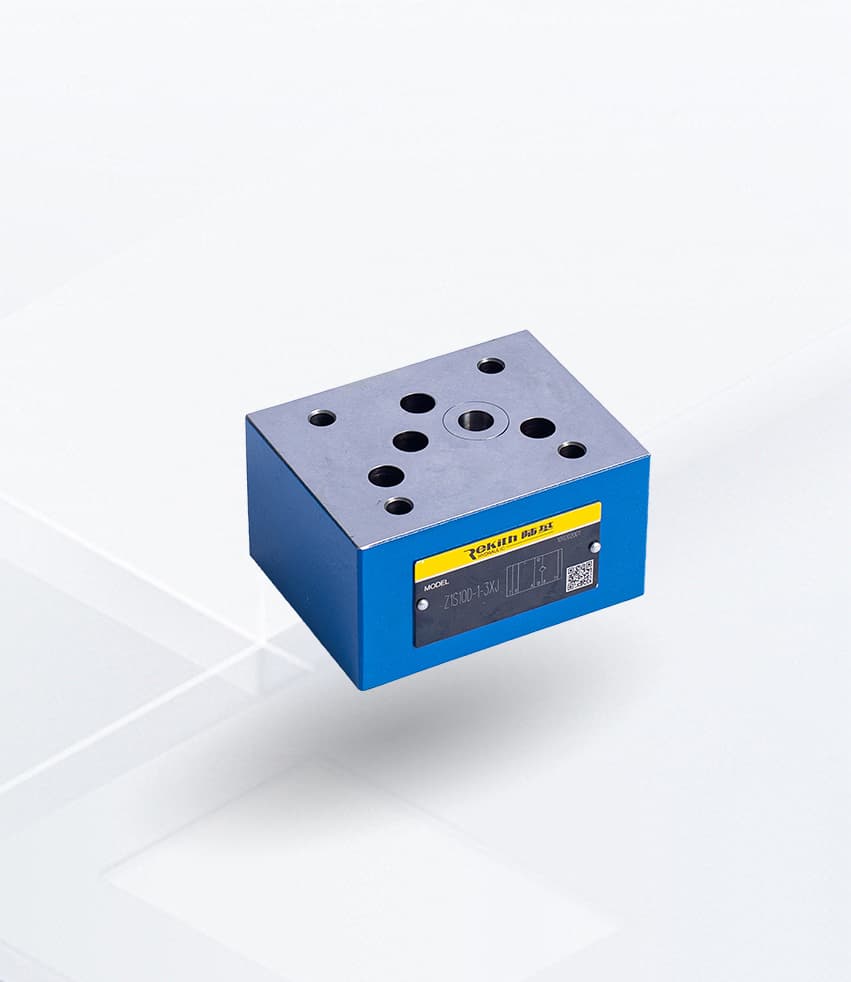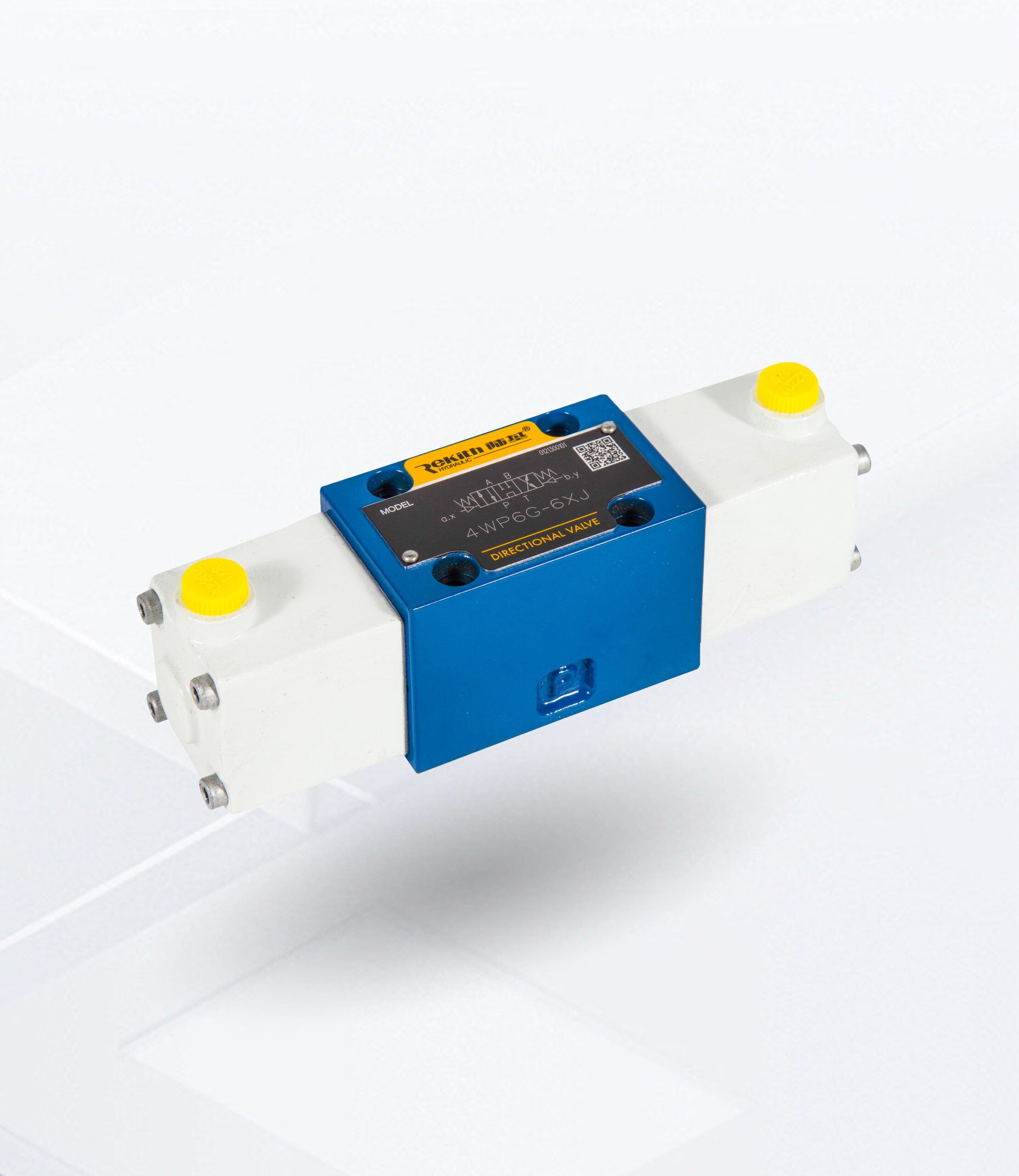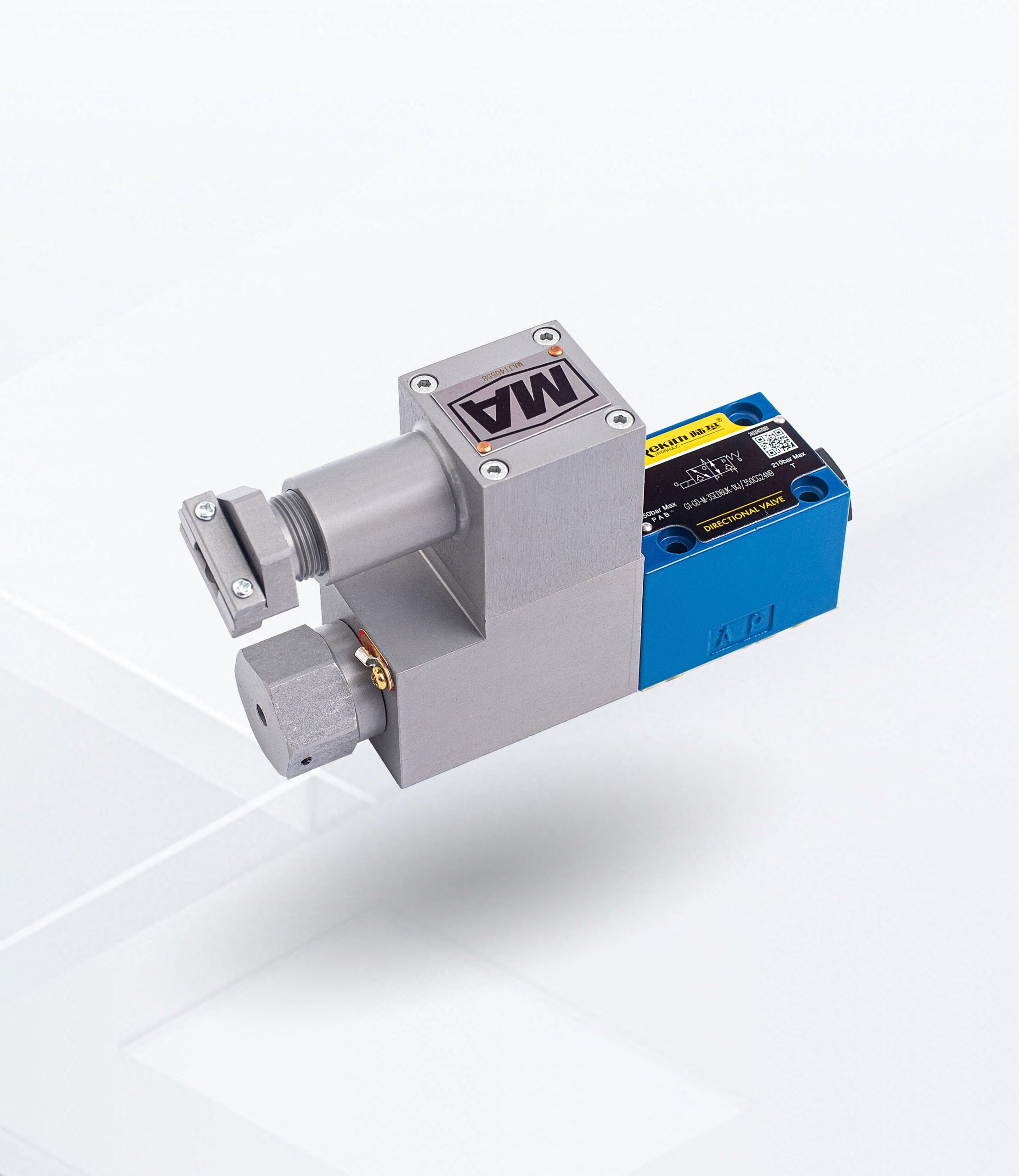

Hydraulic valves are widely used in agricultural machinery. The emergence of hydraulic valves, as an important component in controlling hydraulic flow, pressure and target in hydraulic systems, has improved the efficiency and accuracy of agricultural machinery.
Hydraulic valves are commonly used in agricultural machinery such as tractors, harvesters, seeders, and threshers. Multi-way valves, pressure reducing valves, etc. are used in agricultural machinery improvements, power steering, planting and special types of work.
Based on the application of hydraulic valves and hydraulic systems, the level of productivity, especially the level of automation, has been greatly improved. The use of electromagnetic multi-way valves can realize automatic driving and field farming, achieve precision agricul
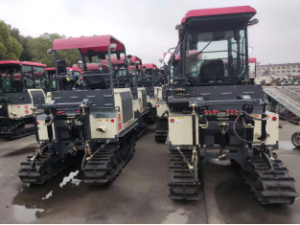
ture standards, and increase crop yields. At the same time, a lot of labor costs are saved. Let them pay more attention to the planning and management of agricultural production and improve the intelligent level of agricultural production. In key links such as planting and harvesting, the precise control of hydraulic valves can ensure the accuracy and stability of work, avoid waste, and maintain crop growth to the greatest extent. In addition, the use of hydraulic valves in agricultural machinery can also save energy, reduce pollution, and play a certain environmental role. Through precise hydraulic control, the energy consumption of agricultural machinery can be reduced and maintenance costs can be reduced.
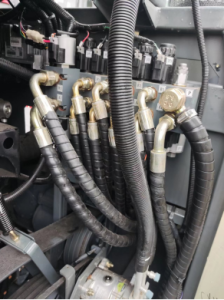
Features and advantages of threaded cartridge valves
1. Compact structural design
Due to its ingenious installation method, the threaded cartridge valve can directly install the valve body on the hydraulic manifold in the form of threaded connection without the need for additional connecting components. This design makes the installation space of the threaded cartridge valve smaller than that of the plate valve, making it easier to use and reducing the gravity of the entire system.
2. Good sealing performance
The threaded cartridge valve adopts curved surface or spherical cone surface sealing technology to provide better sealing effect. Since most parts are nuts and shaft components, the machining accuracy is high, the leakage is small, and the hydraulic impact is small, which improves the overall stability and reliability.
3. Installation and maintenance The assembly and replacement of the threaded cartridge valve is relatively simple, and only requires the correct torque. The design optimizes maintenance and reduces shutdown times while also reducing maintenance costs.
4. Compared with plate valves, threaded cartridge valves do not have a cast valve body, which is more in line with the definition of green and environmentally friendly and has the potential to reduce costs. Due to the reduction in cost, threaded cartridge valves will become more competitive in the market.
5. Adapt to high pressure and large flow
With the continuous development of hydraulic technology, the requirements for working pressure and flow are also constantly increasing. Threaded cartridge valves can adapt to higher working pressures (35-42MPa or even higher), and can be designed to meet large flow requirements to meet the requirements of modern hydraulic systems.
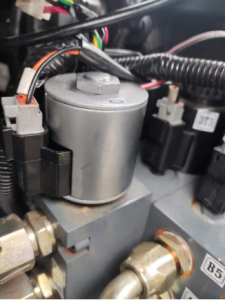
6. Easy to integrate and modularize
The threaded cartridge valve facilitates integration with the hydraulic manifold for modularization. This design optimizes the structure of the hydraulic system, improves comprehensive integration, and facilitates rapid assembly and debugging of the system.
7. Diversified functions
Threaded cartridge valves can be developed with multiple functions, such as pressure control valves, flow control valves, directional control valves, etc., to meet the diverse needs of hydraulic systems.
8. Improve control accuracy
Although the current control accuracy of threaded cartridge valves may not be as good as that of plate valves, with the advancement of technology, the control accuracy of threaded cartridge valves is constantly improving and is expected to meet higher precision control requirements in the future.