
Article Summary:
Pressure control valves are essential to industrial and mechanical systems; they ensure safety, reliability, and efficiency in operation. A 圧力開放弁 (PRV) is primarily built to prevent overpressure in a system by releasing pressure at a pre-determined threshold, while a 減圧弁 (PRRV) will maintain the pressure of a downstream system at a stable, reduced value regardless of the pressure in the upstream system.
The Valve Handbook by Philip L. Skousen and the ASME Pressure Relief Valve Standards, both of which are referenced in the Valve Handbook, describe the importance of PRVs in regards to safety in regards to boiler, pipeline, and pressure vessels, while PRRVs are commonly utilized in the distribution of steam, water, and gas to control the operational pressure in pipelines and vessels.
Understanding the functional differences, design principles, and application scenarios of these valves is crucial to both engineers and other professionals who have a role in maintaining the system. Safety and efficiency are paramount.
Introduction: The Importance of Pressure Control in Industrial Systems
In manufacturing systems, pressure management is not simply a matter of concern; it is a fundamental requirement for safety. Incorrect pressure regulation can cause serious safety risks, costly downtime, and catastrophic equipment failure. Engineers utilize multiple varieties of valves to maintain, regulate, and release pressure. Among this group, Pressure Relief Valves and Pressure Reducing Valves are both common but frequently misunderstood.
While both valves have an association with system pressure, their goals, methods, and locations of installation are different. Misuse can adversely affect safety and efficacy; it’s therefore essential to understand the differences between these concepts to modernize industrial systems.
What is a Pressure Relief Valve (PRV)?
A Pressure Relief Valve is a safety mechanism that is designed to prevent vessels, pipelines, and other equipment from reaching a pre-defined pressure threshold. When the system pressure is higher than the valve’s current setpoint, the PRV will open, and the fluid will escape from the system until the pressure is below the threshold. Once the ratio is normal, the valve will automatically shut off.
-
The most common features of pressure relief valves are listed below
Safety-oriented: It prevents overpressure that would cause the equipment to break.
Setpoint-operated: It opens at a pre-determined pressure, which is defined by the system’s design.
Automatic reposition: Closes when pressure is excessively relieved.
Types: Spring-loaded, manned, and weighted PRVs.
-
Common Users
Boilers and associated systems of steam generation
Chemical reactions and pressurized vessels
Pipelines for gas and compressors
-
How does a PRV function?
The system’s pressure is greater than the setpoint.
Thevalve is resilient against tension from the spring or a pilot mechanism.
The extra fluid is expelled safely.
The pressure is restored to a safe range; the valve closes.
The PRV is not intended to regulate the downstream operating pressure—its primary purpose is to defend.

What is a Pressure Reducing Valve (PRRV)?
A Pressure Reducing Valve is a valve that reduces the pressure downstream of a constant upstream pressure. Unlike PRVs, PRRVs are designed to operate continuously during typical system operation and are not intended for emergency response.
-
Key attributes of Pressure Reducing valves
Functional control: Maintains a consistent downstream pressure.
Setpoint that can be adjusted: It can be altered to the desired operating pressure.
Dependent on flow: It maintains a pressure that is different for different flow rates.
Common varieties: Direct action, pilot-operated, or a balanced type of piston.
-
Common Users
Water distribution systems
Steam systems in temperature control plants
Constant-pressure gas pipelines that supply equipment.
-
How does PRRV function?
The upstream pressure is affected by the flow changes or supply reductions.
The valve alters the way it opens in order to maintain the desired downstream pressure.
Constant pressure is essential for the safe and efficient operation of equipment.
Unlike PRVs, which are used for routine operations, PRRVs are not intended for emergencies.
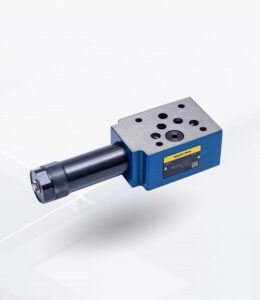
Pressure Relief Valve vs Pressure Reducing Valve: Key Differences
| 特徴 | Pressure Relief Valve (PRV) | Pressure Reducing Valve (PRRV) |
| 主要機能 | Safety / Overpressure Protection | Pressure Control / Downstream Regulation |
| Operation | Opens only when pressure exceeds the setpoint | Modulates continuously to maintain set pressure |
| Typical Setpoint | Emergency / Maximum allowable pressure | Desired operating pressure |
| Fluid Discharge | Releases fluid to prevent damage | Does not intentionally discharge excess fluid |
| インストール | Near a pressure vessel, boiler, or tank | On supply lines, upstream of equipment |
| 応答時間 | Instantaneous for protection | Continuous modulation |
| メンテナンス | Inspection critical for safety | Routine calibration for performance |
| 一般的なアプリケーション | Boilers, pipelines, and gas storage | Water supply, steam distribution, and industrial processes |
This table highlights functional, operational, and installation distinctions critical for engineers.
Functional Complementarity in Systems
In complex industrial ecosystems, PRVs and PRRVs are often associated with one another:
PRRVs guarantee a consistent force to the delicate equipment.
PRVs serve as a safety net for the unexpected increase in pressure.
This amalgamation promotes both operational effectiveness and system safety.
Types of Pressure Relief Valves
Pressure relief valves are crucial safety devices that are designed to prevent equipment and piping systems from having too much pressure. These devices will automatically open at a specific set pressure. Several different types are available depending on the operation, medium of fluid, and the requirements of the application.
-
Spring-Loaded Pressure Relief Valves
Description:
The most common mechanism, which employs a spring to maintain the valve in a closed position until the system pressure reaches the desired setpoint.
When the pressure is greater than the setpoint, the valve will open to let go of the extra pressure.
メリット
Design that is simple, easy to implement, and maintain.
Fast reaction to pressure increases
Set pressure to adjust
アプリケーション
Pressure vessels and boiler components
Pneumatic and hydraulic systems
Industrial gas systems
-
Pilot-operated pressure relief valves
Description:
Use a pilot port to regulate a larger main port.
The pilot recognizes the pressure in the upstream direction and adjusts the main valve based on that.
メリット
Can efficiently handle high-volume flows
Provides consistent and precise pressure relief.
Less likely to be affected by talk and flutter
アプリケーション
Large water systems for industrial purposes
Pipelines for steam and gas
Chemical and oil processing facilities
-
Bypass Pressure Relief Valves
Description:
Developed to reduce the impact of backpressure on the operation of valves.
Maintains a consistent set of pressure values despite the downstream pressure’s fluctuations.
メリット
Constant operation with different system pressures.
Reduces the probability of a valvular problem.
Adept for use in systems that have significant pressure backlash.
アプリケーション
Piping systems that have long lines of discharge
High-pressure steam generators
Pump and compressor
-
Conventional versus full-lift pressure relief valves
Conventional PRVs:
It’s gradually easier to open as the pressure is greater than the setpoint.
Similar to larger systems or high-volume applications.
Full-Lift PRVs:
Fully accessible at high pressure to facilitate a quick release of pressure.
Perfect for high-capacity systems that have a large amount of content.
-
Safety Valves (SVs)
Description:
Perfect for both liquids and gases.
May have both safety and relief functions in one device.
メリット
Is it safe to vent fluids in either the vapor or liquid state?
Violating safety regulations like the ASME and API.
アプリケーション
Preserved storage containers
Chemical reactors
Boilers that produce steam
-
Temperature-Proven or Other Specialty Prvs
Description:
Developed with the intention of maintaining efficiency in the face of temperature changes or corrosion.
Often composed of stainless steel or high-tempered alloys.
アプリケーション
Steam or hot fluid systems
Corrosive chemical reactions
High-temperature oil and gas utilization
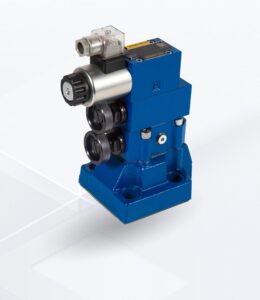
Types of Pressure Reducing Valves
-
Direct-Acting Pressure Reducing Valves
Description:
Control the operation of the device via a spring-loaded diaphragm or piston that directly controls the orifice of the valve.
Mechanical design that is simple and immediate in its response to pressure changes.
メリット
Small and simple to implement
Immediately responds to sudden increases or decreases in pressure.
経営陣が少ない
アプリケーション
Small water canals
The distribution of steam to light-duty systems.
Pneumatic and low-flow systems
-
Volatile Pressure Reducing Valves
Description:
Use a pilot port to regulate the main port; this enables precise pressure regulation.
The pilot recognizes the pressure downstream of them and adjusts the main valve based on that.
メリット
Capable of handling high water flows.
Maintains a consistent downstream pressure that is dependent on the conditions.
Less susceptible to flutter compared to direct-acting controls
アプリケーション
Large water systems for industrial purposes
Pipelines for steam and gas
HVAC and district heating components
-
Bypass Pressure Reducing Valves
Description:
Developed with the intent of minimizing the effect of upstream fluctuations in pressure on downstream pressure.
Includes a balanced mechanism for the piston or diaphragm that compensates for changes in pressure in the inlet.
メリット
Maintains a consistent downstream pressure despite the supply being changed.
Reduces the incidence of water hammer or surge.
Adept for use in systems that have a variable upstream pressure.
アプリケーション
Water reservoirs for feed animals
Elevated water supply for high-rise buildings
Industry processes that are subject to varying supply constraints.
-
Spring-Loaded Pressure Reducing Valves
Description:
Use a mechanical pump to create and regulate the desired downstream pressure.
The spring is either compacted or expanded in response to downstream pressure alterations.
メリット
Reliable, simple, and cost-effective
Small size
Easy to make changes
アプリケーション
Low-effort water or air systems
Domestic water pressure regulation
Small-scale industrial systems
-
Volatile-Sensed vs. Constant-Sensed Valves
Pilot-Sensed:
Measures the pressure downstream of a remote location via a pilot string.
Adept at handling long chains of pipelines or complex patterns
Internally-Sensed:
Directly measure the pressure downstream of the valve at the outlet.
More simple, more compact, and appropriate for short distances.
-
Unique Pressure Reducing Valves
Temperature-Provenances:
Maintain a consistent downstream pressure that is independent of the temperature of the fluid or steam. This is useful for both steam and thermal systems.
High-Pressure or High-Temperature PRVs:
Designed to withstand extreme conditions in the chemical, oil, and gas industries.
PRVs that are resistant to corrosion:
Composed of steel or special alloys that are resistant to seawater, acidic, or aggressive chemicals.
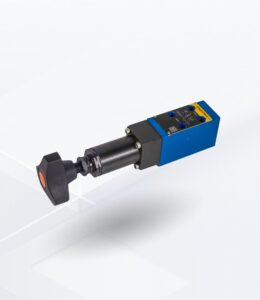
Installation and Safety Considerations
-
The procedure of installing a PRV.
Elevate the area near a vessel or pipeline that needs to be protected.
Ensure that the discharge piping is safe and directs the fluid appropriately.
Constant testing and monitoring are necessary according to the ASME code.
-
The procedure of installing PRRV.
Establish connections to upstream processes or critical equipment.
Avoids turbulent or blockages near the valve’s entrance.
Constant pressure regulation is guaranteed by the routine calibration.
Effective installation promotes a preventative approach to failure and maintains optimal performance.
Maintenance Best Practices
Effective pressure relief valve maintenance and a reduction in pressure are crucial to ensuring the safety of the system, its reliability, and compliance with regulations. Ignoring these valves can lead to overpressure situations, equipment failure, and increased standstill.
- Constant Schedule of Inspection
Conduct visual assessments at least monthly for corrosion, leaks, or damage.
Functional audits will be conducted every fourth quarter to verify the pressure setting and functionality.
Follow the manufacturer’s recommendations for having all inspected and tested completely.
- Hygiene and Environmental Protection
Ensure the valve’s surroundings are free of dirt, dust, and garbage.
Prevent the entrance of harmful or abrasive substances into the body of the valve.
For external installations, cover the area with protective covers or coatings to lessen the weathering process.
- Pressure Testing and Calibration
Constantly measure the pressure and recalibrate the pressure using approved equipment.
For valves that reduce pressure, make sure the downstream pressure is accurate.
Re-tolerate if the deviation is greater than the manufacturer’s tolerances.
Maintain testing logs for verification and auditing purposes.
- Part and Lubrication
Grease the moving parts as often as possible to avoid sticking or sluggish behavior.
Use lubricants that are compatible with the valves to avoid chemical mismatches or damage to seals.
Avoid over-lubrication; this can lead to dirt and a negative effect on performance.
- Seal and Spring Verification
Examine the diapers, O-rings, and packing for wear, flaws, or consistency.
Examine the springs for signs of corrosion, fatigue, or loss of stretch.
Components should be replaced as often as possible in order to maintain effective operation.
- Leakage Prevention
Ensure strong connections at flanges and jointed areas.
Watch for slow leaks at the seat,onnet, or stem.
Change out worn seals or gloves immediately to avoid operational risks.
- Valve Cleaning and Debris Removal
For PRVs that have fluids with particles, periodically clean the body of the valve.
Remove scale, sediment, or other particles that prevent proper placement.
Avoid using harsh tools that may scratch or harm the surface that is being sealed.
- Functional Testing After Delivery
After cleaning or partial repairs, conduct a full operational evaluation.
Ensure that the relief valves are open at the correct pressure and that they are reset correctly.
Confirm that the pressure-reducing valves consistently reduce the pressure downstream of the flow condition changes.
- documentation and compliance
Maintain written records of all maintenance, testing, and inspection activities.
Ensure that standards in the industry are followed (e.g., the ASME, API, and ISO standards) and local regulations are met.
Document substitutions, transformations, and precautions for safety assessments.
- Safety and Training Precautions
Ensure that maintenance personnel are familiar with the operation of valves and the safety of the process.
Desiccating systems are pre-certified and service-disabled to prevent accidental spillage or injury.
Use personal protective equipment (PPE) when dealing with pressurized systems.
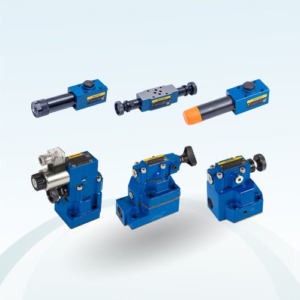
Application Scenarios and Case Studies
- Systems of Steam Generation
PRRVs consistently maintain a downstream pressure of steam.
PRVs prevent the overpressure of the boiler in emergencies.
- Water Distribution Systems
PRRVs control the pressure of supply in order to ensure consumer safety.
PRVs release the excess pressure that is caused by the failure of the pump.
- Gaselines
PRRVs are effective at maintaining a consistent supply of equipment.
PRVs function as safety instruments to prevent the pipeline from bursting.
FAQ: Pressure Relief Valve vs Pressure Reducing Valve
Q1: Can a PRV and a PRRV be used in place of one another?
No. PRVs are dedicated to emergency safety, and PRRVs have a constant operational pressure. Misuse can lead to safety issues or a lack of efficiency in the process.
Q2: What is the reason for the release of fluid when pressure is apparently correct?
Some PRVs are built to release small quantities of substance or pressure fluctuations. Frequent discharge is an indication of a setpoint or other issue with the system.
Q3: Can PRRVs be altered?
Yes, PRRVs are capable of being altered to maintain specific downstream elevations.
Q4: How frequently should PRVs be inspected?
The ASME and manufacturer’s guidelines advocate for regular testing-this is often done annually or following significant events in the process.
Q5: What industries employ both promoters and protectors?
Boilers, chemical plants, pipelines for gas, water, and industrial steam systems all commonly utilize both safety features and operational control.
結論
Understanding the distinction between a Pressure Relief Valve and a Pressure Reducing Valve is essential to safety and efficiency in the industrial sector. While PRVs defend the system from pressure overload, PRRVs ensure long-term stability in downstream operation.
The proper selection, installation, and regular maintenance of both types of valves promotes a balanced approach to safety, efficiency, and reliability in complex fluid systems.