

産業用油圧機器において、エネルギー効率はスローガンではありません。
機械がアイドリングしている間、固定容量ポンプが高圧の流量を出し続けると、電力を浪費するだけでなく、油の加熱、シールの摩耗、モーターの負荷を加速してしまいます。適切に設計された油圧アンロード・バルブは、ポンプ流を非常に低い圧力でタンクにアンロードすることでこれを解決します。
レキス・ハイドロリクスでは、うまく設計されたアンロード回路により、アイドルサイクル中のモータ負荷が80%以上削減され、特にアキュムレータホールドやHi-Loプレスシステムで発熱が劇的に削減されるのを見てきました。
要点
-
省エネ: アイドリング時にほぼゼロの圧力でポンプフローをタンクにアンロード → 熱が少なく、電力が少なく、部品寿命が長い
-
パイロット操作の精度: 下流の圧力(多くの場合アキュムレータから)を感知するためにパイロットラインを使用し、決定的に切り替わる。
-
ハイロー・サーキット・エッセンシャル ハイローポンプ回路の核となり、小型モーターで高トネージプレスを効率的に駆動可能
-
安定性が重要だ: 現実世界の振動、汚染、温度スイングには、"安っぽい取り付け "ではなく、工学的なヒステリシス制御が必要です。
Quick Diagnostic: Do You Need an Unloading Valve?
If you’re unsure whether unloading is missing—or unstable—start here.
If you see these symptoms, unloading is likely missing or unstable
-
Oil temperature climbs during idle/holding
-
Motor sounds “loaded” when the machine is waiting
-
Accumulator charging cycles too frequently (rapid cut-in/cut-out)
-
Pressure ripple/noise around setpoint (chatter)
-
Hi-Lo press loses efficiency during approach-to-press transition
30-second circuit check
-
Do you have an accumulator + check valve that holds pressure?
-
Does the pump still run at high outlet pressure during idle/standby?
-
Is there a dedicated unloading path (Pump → Tank) triggered by downstream pressure?
油圧アンローディングバルブとは?
A 油圧アンローディングバルブ is a pressure control valve designed to direct pump flow back to tank with minimal resistance once a preset pressure condition is reached—while the system pressure is maintained by a check valve + accumulator, or by circuit geometry.
わかりやすく言えば、"ヴェニュー "である:
-
システムは加圧状態を維持できる
-
ポンプはその圧力と戦う必要がない
これが、ポンプをデッドヘッドさせることなく圧力を維持しなければならない、長い保持サイクル(クランピング、ブレーキング、アキュムレーター・スタンバイ)を持つシステムにおいて、アンロード・バルブが重要な理由です。
What an unloading valve is NOT
-
Not a “safety-only” blow-off valve (that’s a relief valve)
-
Not a flow control valve
-
Not a substitute for correct accumulator pre-charge
Best-fit applications
-
Accumulator standby / charging
-
Long holding cycles (clamping, braking, standby pressure)
-
Hi-Lo press / compactor / log splitter circuits
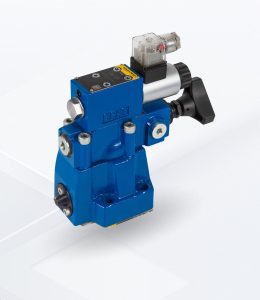
アンロードバルブとリリーフバルブの比較
多くのエンジニアは、アンロードバルブとリリーフバルブを混同している。その間違いの結果はたいてい熱である。
| 特徴 | Relief Valve (Pressure Relief) | アンローディングバルブ | What you’ll observe on the machine |
|---|---|---|---|
| Primary purpose | Safety: limit max pressure | Efficiency: unload pump when target pressure reached | Relief: mainly “protect”; Unloading: “works every cycle” |
| Normal operating behavior | Should stay closed during normal cycles (opens only when overpressure) | Opens repeatedly during normal cycles (standby/holding/transition) | If it opens often in normal work → likely need unloading |
| Outlet pressure during action | High pressure remains at pump outlet (flow bleeds off) | Pump outlet pressure drops near tank pressure | Relief used as unloading → motor still “sounds loaded” |
| Heat generation risk | High if it flows frequently | Low when properly unloading | Relief-as-unloading commonly causes overheating |
| エネルギー効率 | Poor if used for frequent bypass | High in standby/holding cycles | Unloading reduces idle power draw noticeably |
| Flow handling | Typically handles excess flow above setpoint | Can divert full pump flow to tank | Hi-Lo circuits require full-flow dumping of high-flow pump |
| Circuit role | Pressure limiting “last line of defense” | Function valve for cycle logic (charging/unloading) | Wrong role → unstable control + downtime |
| 代表的なアプリケーション | Overpressure protection, shock limiting | Accumulator charging, Hi-Lo press transitions, standby holding | Misapplication shows in idle heat + noise |
| Selection focus | Max pressure rating, stable relief characteristics | Switching stability, cut-in/cut-out, low ΔP to tank | Unstable unloading shows as chatter/rapid cycling |
| Common failure symptom | Valve “singing” when constantly relieving | Chatter near setpoint, rapid cycling if hysteresis wrong | Both can make noise, but root causes differ |
リリーフバルブ
-
目的 安全圧力制限(過剰流量の「ブローオフ)
-
現実だ: ポンプは高圧力でも作動する → 熱とエネルギーの損失が続く
アンローディングバルブ
-
目的 圧力が目標に達したときに流れをタンクに捨て、ポンプの負荷を減らす
-
現実だ: ポンプ出口圧力の低下はゼロに近い → ポンプはフリーホイール、熱は最小限
経験則だ:
バルブが開くことになっている場合 通常のマシンサイクルの一環としてこのような場合、通常、リリーフ専用機能ではなく、アンロード機能を見ていることになる。

作動原理:油圧式アンローディングバルブの仕組み
ほとんどのアンローディングバルブはパイロット操作式で、パイロット回路は「精密さ」を実現する場所である。
1) 充電段階
-
バルブは閉じたまま(スプリング式)
-
ポンプの流れは逆止弁を通り、アキュムレータまたはアクチュエータに供給されます。
2) パイロットラインによる圧力感知
-
外部パイロットラインが下流圧力(通常はアキュムレータ圧力)を監視します。
3) アンロードトリガー
-
圧力が設定値に達すると、パイロットの力がスプリングに打ち勝ちます。
4) フルフロー分流(ポンプ→タンク)
-
スプールがシフトし、ポンプからタンクへの低抵抗経路を開く
-
ポンプ出口圧力がゼロ付近まで低下
5)リセット/カットイン
-
システムが貯蔵オイルを消費すると、圧力はリセット値(多くの場合、設定値の~85%)まで低下する。
-
バルブが閉じ、ポンプが充電を再開する。
レキス・エンジニアリング・インサイト
多くの低価格バルブは、不安定なスイッチングや不十分なリシート(「ヒステリシス・ドリフト」)に悩まされ、圧力変動、ノイズ、熱につながります。Rekithは、精密研磨スプール、硬化シート、安定したカットイン/カットアウト比に重点を置き、実際の運転条件下でシステム圧力を予測可能な状態に保ちます。
システム設計とアンロードバルブの輝き
1) アキュムレータ充電回路(最も一般的なもの)
典型的なセットアップ: ポンプ→逆止弁→アキュムレーター+アンロードバルブ→タンク
-
ゴールだ: 緊急ブレーキ/保持力/スタンバイ圧のためにアキュムレーターを充電しておく
-
メリットだ: ポンプはほとんどの時間無負荷で運転 → 熱が少なく、ポンプとモーターの寿命が延びる
-
最高だ: 保持サイクル、待機圧の必要性、安全バックアップ機能
2) プレスおよび高トン数システム用ハイローポンプ回路(Hi-Lo)
ゴミ圧縮機、プレス機、丸太割り機、多くのクランプシステムに使用。
セットアップだ:
-
高流量/低圧ポンプと低流量/高圧ポンプは、同じ駆動装置を共有します。
-
急接近時:両方のポンプが流量を供給
-
シリンダーがワークに当たると:圧力上昇→アンロードバルブが高流量ポンプをタンクに捨てる
-
小さな高圧ポンプが力を加え続ける
結果
小型ポンプで高圧を駆動するだけでよいので、より小型のモーターを使用することができる。
油圧式アンローディングバルブの種類
直動式アンロード弁
-
シンプルな構造、速いレスポンス
-
小流量、低出力のシステムに最適
パイロット操作式アンロード弁
-
大流量での安定性が向上
-
荷降ろし時の圧力損失を低減
-
通常、高流量システム(100 L/分以上)に適している。
アンローディング・リリーフ(ハイブリッド)
-
アンローディング機能を提供
-
また、アンローディングに失敗したり、圧力が異常に上昇した場合のセーフティリリーフプロテクションも備えています。
| Type | Best when | Pros | Risks / Watch-outs | Typical use cases |
|---|---|---|---|---|
| Direct-acting | Lower flow, simpler systems | Simple, fast, lower cost | Ripple sensitivity, possible chatter | Small power units, compact circuits |
| Pilot-operated | High flow, stable switching needed | Best stability, lower ΔP | Pilot line + damping critical | Accumulator charging, high-flow systems |
| Hybrid | Need unloading + safety backup | Adds protection redundancy | Not a fix for poor circuit design | Press/compactor with spikes |
Sizing & Setting (Practical Rules)
This is the difference between “it works” and “it works reliably for years.”
What to size first
-
Unloading rated flow at acceptable pressure drop (avoid “unloading but still hot”)
-
Pilot sensitivity (stable cut-in/cut-out under real ripple)
-
Leakage requirements for holding circuits (especially with accumulators)
Setting strategy (step-by-step)
-
Confirm accumulator pre-charge before touching the valve
-
Set cut-out to your system target pressure
-
Validate cut-in differential to avoid rapid cycling
-
Verify motor load/current drops during idle
-
Recheck after oil warm-up (viscosity changes can shift behavior)
What to record during commissioning
-
Pressure vs time during full cycle
-
Oil temperature rise trend
-
Motor current during idle vs charging
Troubleshooting: Symptoms → Causes → Fixes
| 症状 | Likely causes | Quick checks (5–10 min) | Fix / Improvement | Priority |
|---|---|---|---|---|
| Chatter / noise near set pressure | Ripple, no damping, air, contamination, wrong pilot point | Watch gauge ripple; check foaming; confirm sensing point | Add damping; bleed air; improve filtration; relocate pilot | 高い |
| Rapid cycling (cut-in/out too frequent) | Hysteresis too small, wrong pre-charge | Time interval; verify pre-charge | Correct pre-charge; widen band; add damping | 高い |
| Accumulator won’t charge | Check valve leakage, unloading stuck open, pump wear | Isolate check valve; check return flow | Repair check valve; verify spool movement; check pump flow | 高い |
| Overheats during idle | Unload pressure too high, backpressure, leakage | Measure outlet pressure during unload | Reduce restriction; enlarge return; fix leakage | 高い |
| Pressure drops too fast holding | Check valve/accumulator/actuator leakage | Decay test; compare gauges | Fix check valve; correct pre-charge; inspect actuator | 媒体 |
エンジニアリングの信頼性が重要な理由
産業用油圧機器では、「適合する」は標準ではありません。悪いアンローディングバルブは、単に漏れを起こすだけではありません:
-
マシンロジックエラー
-
不安定な圧力保持
-
熱暴走
-
ポンプ/モーター過負荷
-
予期せぬダウンタイム
レキス・ハイドロリクス 信頼できる安定性を重視している:
-
コンディション重視の設計
私たちは、コンタミネーション、熱衝撃、実際の振動条件下での性能を検証しています。 -
製造管理
私たちは組み立てるだけではありません。パイロットの安定性とスイッチング精度を決定づける公差を管理しています。 -
グローバル互換性 + エンジニアリング・サポート
当社のカートリッジバルブとCETOPバルブは、主要ブランドのバルブと相互交換できるように設計されています。
私たちはバルブを出荷するだけではありません。制御のエンジニアリングも行っています。
よくあるご質問
-
Q: What is the main function of a hydraulic unloading valve?
A: A hydraulic unloading valve diverts pump flow to tank after the set pressure is reached, letting the pump run with minimal load while system pressure is maintained. -
Q: Unloading valve vs relief valve: what’s the difference in real circuits?
A: A 逃がし弁 limits maximum pressure for safety, while an unloading valve opens during normal cycles to unload pump flow to tank and reduce heat and power draw. -
Q: Where should the pilot line be connected for an unloading valve?
A: Connect the pilot line to the true downstream pressure you want to control—typically the accumulator side after the check valve or the main system pressure point—avoiding locations with throttling pressure drops. -
Q: Why does my unloading valve chatter near the set pressure?
A: Chatter usually comes from pressure ripple plus insufficient pilot damping, causing rapid switching near the setpoint; air, contamination, or wrong pilot sensing points can worsen it. -
Q: What causes rapid cycling (frequent cut-in/cut-out) in accumulator charging?
A: Rapid cycling is commonly caused by incorrect accumulator pre-charge, too small cut-in/cut-out differential (hysteresis), or leakage through the check valve or system.
結論
低熱、低電力消費、コンポーネント寿命の延長を望むのであれば、アンロード戦略は油圧システムにおいて最もROIの高いアップグレードの一つです。
正しく実装された 油圧アンローディングバルブ これにより、アイドリング時にポンプを高圧で作動させることなく、必要な時に圧力を維持することができます。
カスタムマニホールド設計、回路レビュー、クロスリファレンス選定が必要ですか?
👉 Rekith Hydraulics専門エンジニアリングチームへのお問い合わせ