
다이캐스팅 기계와 유압 밸브가 함께 작동하는 방식
Die-casting machines are essential for producing high-precision aluminum and zinc alloy components in automotive, NEV, machinery, and electronics industries. As high-pressure die casting evolves toward giga-casting and lightweighting, 유압 밸브 performance directly determines die-casting machine speed, clamping force, and injection stability.
This guide explains industry trends, working principles, and how hydraulic valves enhance die-casting efficiency, supported by practical long-tail search terms frequently used by engineers and OEM purchasers.
1. Market Dynamics: Why Die-Casting Machines Are Growing Fast
Explosion of Lightweight Manufacturing
Lightweight materials—such as aluminum alloy, magnesium alloy, and high-strength steel—have become essential for energy saving and structural optimization.
In automotive and motorcycle sectors (≈ 65% of demand), most structural components require high-pressure die casting, naturally driving strong demand for die-casting machines.
NEVs Accelerating Industry Growth
New energy vehicles weigh 200–300 kg more than fuel vehicles due to battery and electronic systems.
To offset this weight, OEMs (Tesla as the benchmark) rapidly increase the use of gigacasting aluminum structural parts, where over 90% of Tesla’s body structural components are die-cast aluminum.
Market Forecast
-
From 2017–2020, China’s die-casting machine market grew at ≈20% CAGR.
-
Market size reached 17.2 billion RMB in 2020.
-
Expected to exceed 30 billion RMB by 2027.
결론:
The die-casting machine industry is in a long-term growth cycle—driven by lightweighting, electrification, integrated large die-cast structural parts, and global reshoring of manufacturing.
2. Working Principle of Die-Casting Machines
Die-casting machines rely heavily on hydraulics to complete clamping, injection, mold opening, and ejection.
2.1 Clamping System
The clamping unit closes the mold and builds a sealed cavity.
Hydraulic cylinders generate high clamping force to resist metal injection pressure.
2.2 Injection System
The injection plunger pushes molten metal into the cavity.
This process includes:
-
Slow-speed injection (filling)
-
Fast-speed injection (high-pressure pressing)
The switching between stages depends on precision hydraulic valve control.
2.3 Mold Opening & Ejection
After solidification:
-
The mold opens under controlled hydraulic force.
-
Ejector cylinders push out the cast parts.
Every motion in this cycle is controlled by different groups of hydraulic valves—speed, position, pressure, and timing must be accurate to ensure product quality.
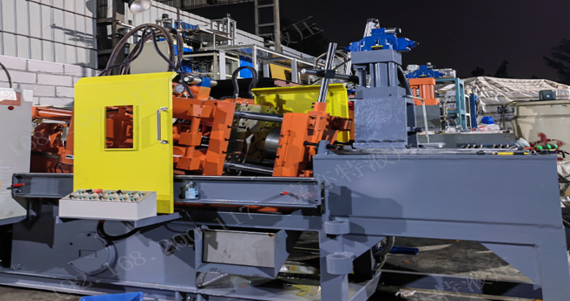
3. How Hydraulic Valves and Die-Casting Machines Work Together
Hydraulic valves act as the nervous system of a die-casting machine.
3.1 Why Hydraulic Valves Are Critical
Hydraulic valves:
-
Control directional movement
-
Maintain system pressure stability
-
Regulate injection speed
-
Ensure mold clamping accuracy
-
Prevent impact, vibration, and flashing
-
Determine the repeatability of each production cycle
Even a small valve error can cause:
-
flash defects
-
incomplete filling
-
part deformation
-
pressure instability
-
shortened mold life
3.2 Key Valve Types in Die-Casting Machines
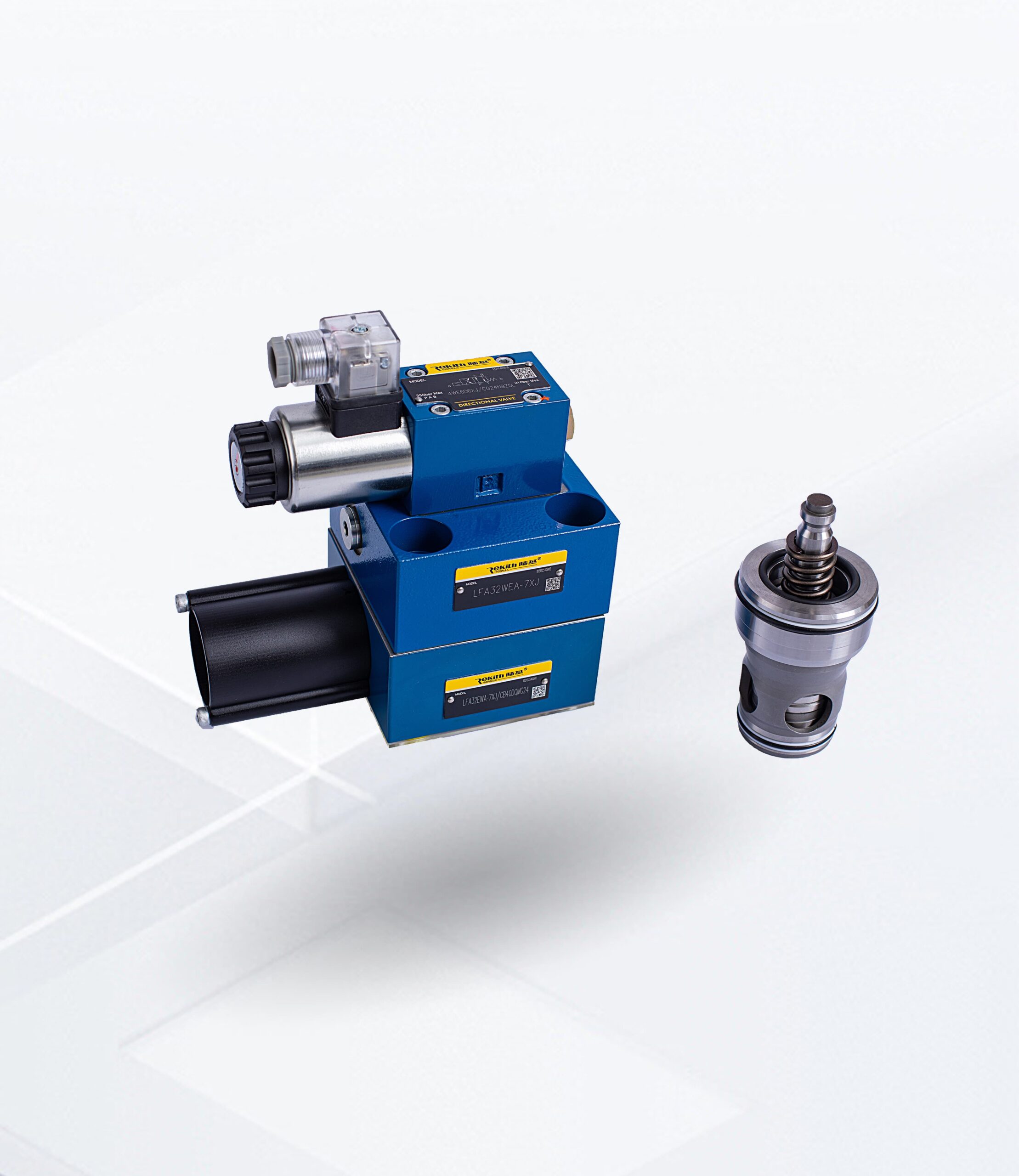
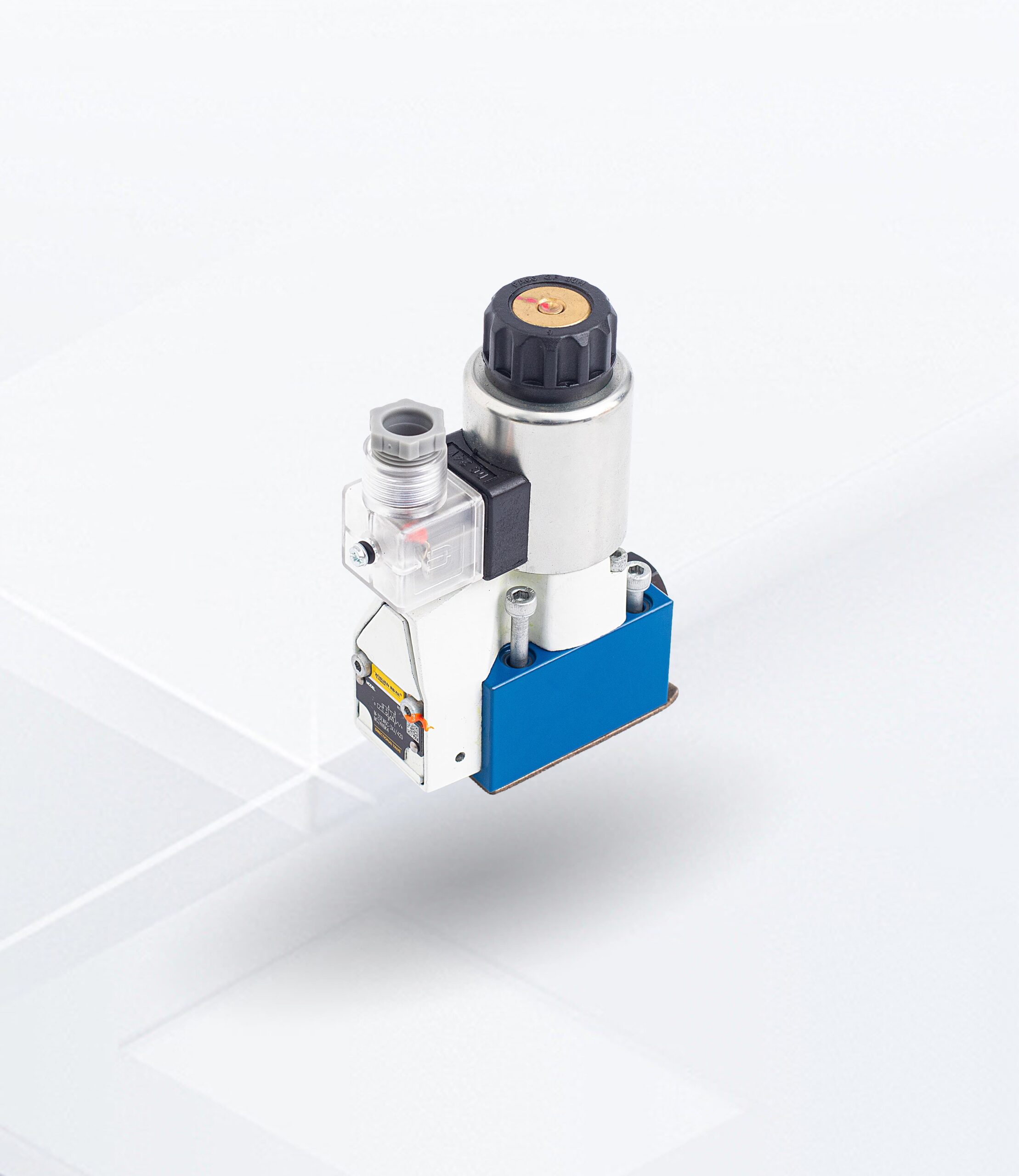
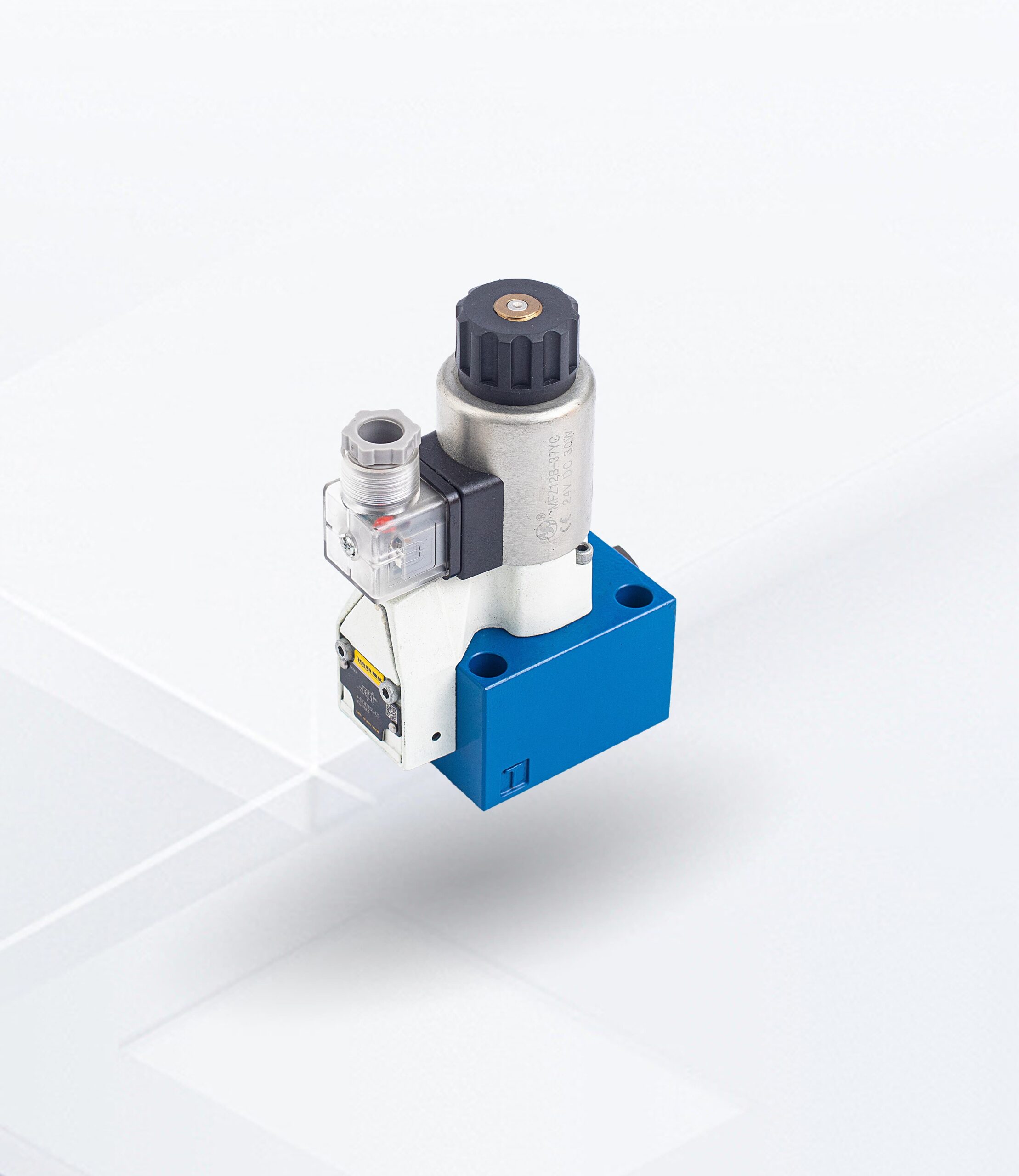
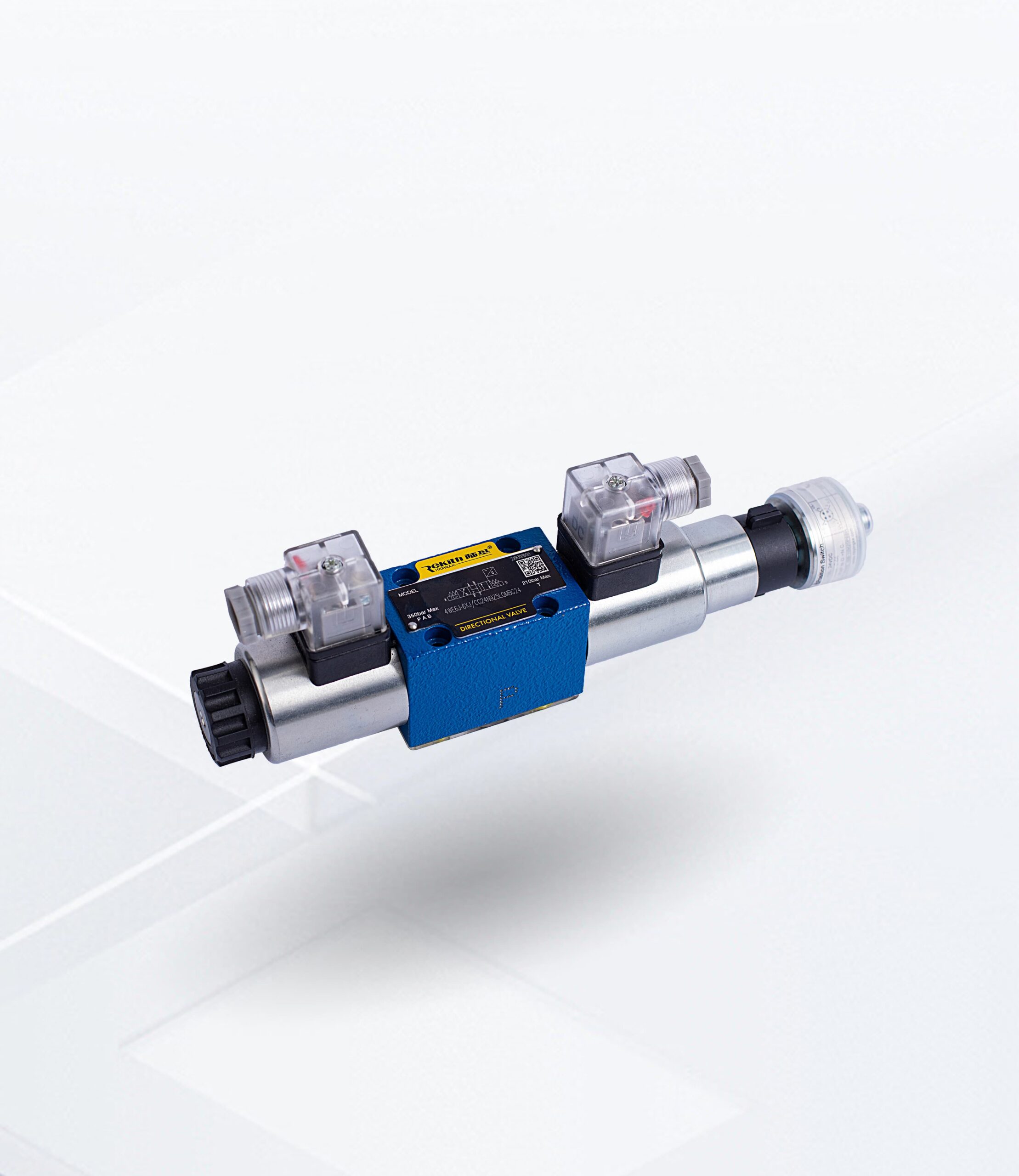
Directional Control Valves (DCVs)
Guide hydraulic oil to correct actuators (clamping cylinder, injection cylinder, ejector).
They determine motion sequence + safety logic.
압력 제어 밸브
Maintain stable clamping and injection pressure.
Include:
-
sequence valves
These are crucial to preventing:
-
mold damage
-
inconsistent clamping
-
unstable injection force
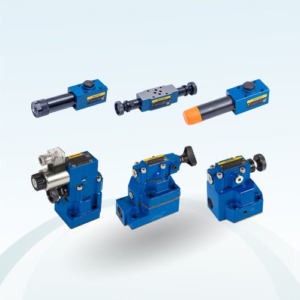
유량 제어 밸브

Regulate speeds of:
-
mold closing
-
injection phases
-
mold opening
-
ejection
Smooth flow control is essential for precision die-casting, especially in aluminum alloy casting.
4. Why Hydraulic Valves Enable High-Performance Die Casting
정밀도
High-quality valves allow micron-level timing and pressure adjustments, reducing casting defects.
High Force Output
Hydraulic systems deliver massive force, perfect for:
-
high-pressure clamping
-
rapid injection
-
large die-casting structural parts
Flexibility
Valves can be tuned to different:
-
part geometries
-
shot sizes
-
casting materials
-
cycle speeds
신뢰성
A stable hydraulic valve system enables continuous, high-speed production with minimal downtime—critical for die-casting factories operating 24/7.
5. How to Choose the Ideal Hydraulic Valve for Die-Casting Machines
Selection directly affects stability, injection accuracy, and mold life.
5.1 Key Buying Criteria
1. Flow Control Accuracy
Controls the transition between slow-fill and fast-fill phases.
A poor valve leads to:
-
turbulence
-
short shot
-
trapped air
2. Temperature Resistance
Die-casting plants are hot.
Valves must operate reliably under high ambient and oil temperatures.
3. Contamination Resistance
Die-casting factories have:
-
metal dust
-
aluminum powder
-
lubrication oil mist
Valves must resist contamination to avoid spool sticking.
4. High-Precision Valve Core Design
A finely machined valve core ensures:
-
stable pressure curves
-
repeatable injection speeds
-
reduced hysteresis
-
long life cycles
5. High Pressure Capability
For aluminum die-casting:
-
system pressures often reach 250–315 bar
-
valves must maintain durability under high load
6. Why Rekith Hydraulic Valves Are Chosen for Die-Casting Machines
레키스 유압 has collaborated with die-casting machine OEMs and Tier-1 manufacturers to upgrade its proportional and directional valve lineup for die-casting applications.
Rekith Advantages
① Reinforced Mechanical Structure
-
Higher rigidity valve bodies
-
Improved valve core stability
-
Optimized sealing design
This results in higher clamping and injection force consistency.
② Excellent Pressure Stability
Maintains stable performance during:
-
fast/slow speed switching
-
high-temperature operation
-
long cycle runs
③ Designed for High-Speed, High-Precision Operation
Ideal for:
-
aluminum alloy structural parts
-
large die-casting machines
-
high-cycle production lines
④ Low Failure Rate (Long Service Life)
Thanks to:
-
premium materials
-
CNC high-precision machining
-
strict quality inspection
-
multi-stage cleanliness control
⑤ Customer-Proven Reliability
Rekith valves run continuously in:
-
heavy-duty die-casting workshops
-
high-pressure environments
-
24/7 production cycles with excellent field feedback.
결론
Hydraulic valves are the core components that enable die-casting machines to deliver high precision, high force, and high reliability during every cycle. As die-casting technology advances toward fast injection, giga-casting, and lightweight structures, selecting the right hydraulic valve is more important than ever.
Rekith Hydraulics delivers high-stability, high-performance valve solutions tailored for die-casting machines, designed to withstand demanding, high-temperature, and high-pressure environments.
If you need technical recommendations, valve selection guidance, or application support for die-casting systems, our engineering team is ready to assist you.
FQA
Q1. What type of hydraulic valve is used in die-casting machines?
Common valves include directional valves, pressure relief valves, pressure reducing valves, and proportional flow valves for injection speed control.
Q2. How does a hydraulic valve affect die-casting quality?
It determines injection speed, pressure stability, mold clamping accuracy, and cycle consistency.
Q3. Why do die-casting machines need contamination-resistant valves?
Because metal dust and aluminum powder can cause sticking, affecting injection and clamping stability.
Q4. What pressure level is typical for die-casting hydraulics?
Most die-casting machines operate at 250–315 bar, requiring robust high-pressure valves.
Q5. How to troubleshoot unstable injection speed?
-
proportional flow valve response
-
spool wear
-
oil contamination level
-
temperature effects
Need Hydraulic Valve Solutions for Die-Casting Machines?
Contact our engineering team for system design, valve recommendations, and custom solutions.
Get Expert Support