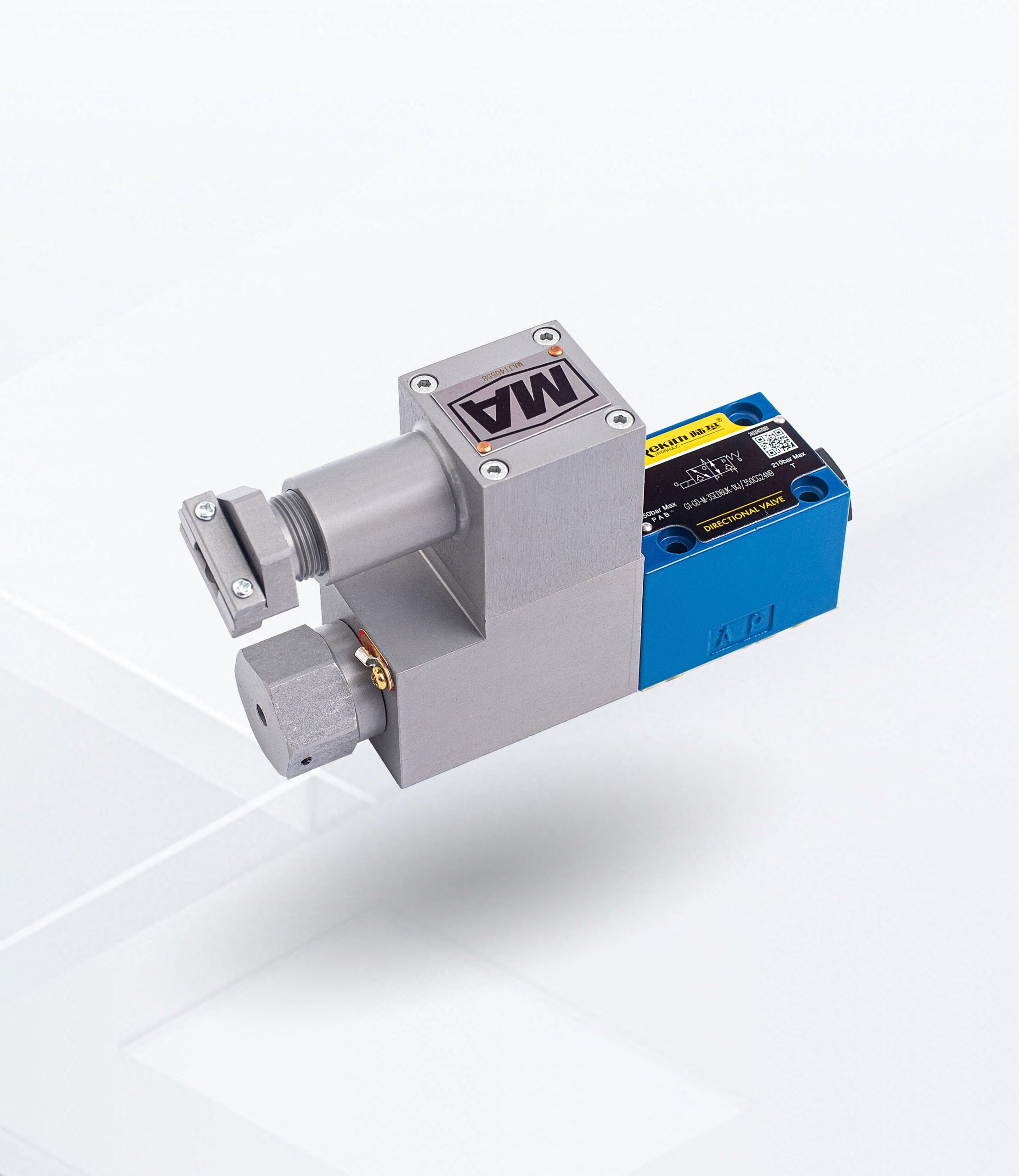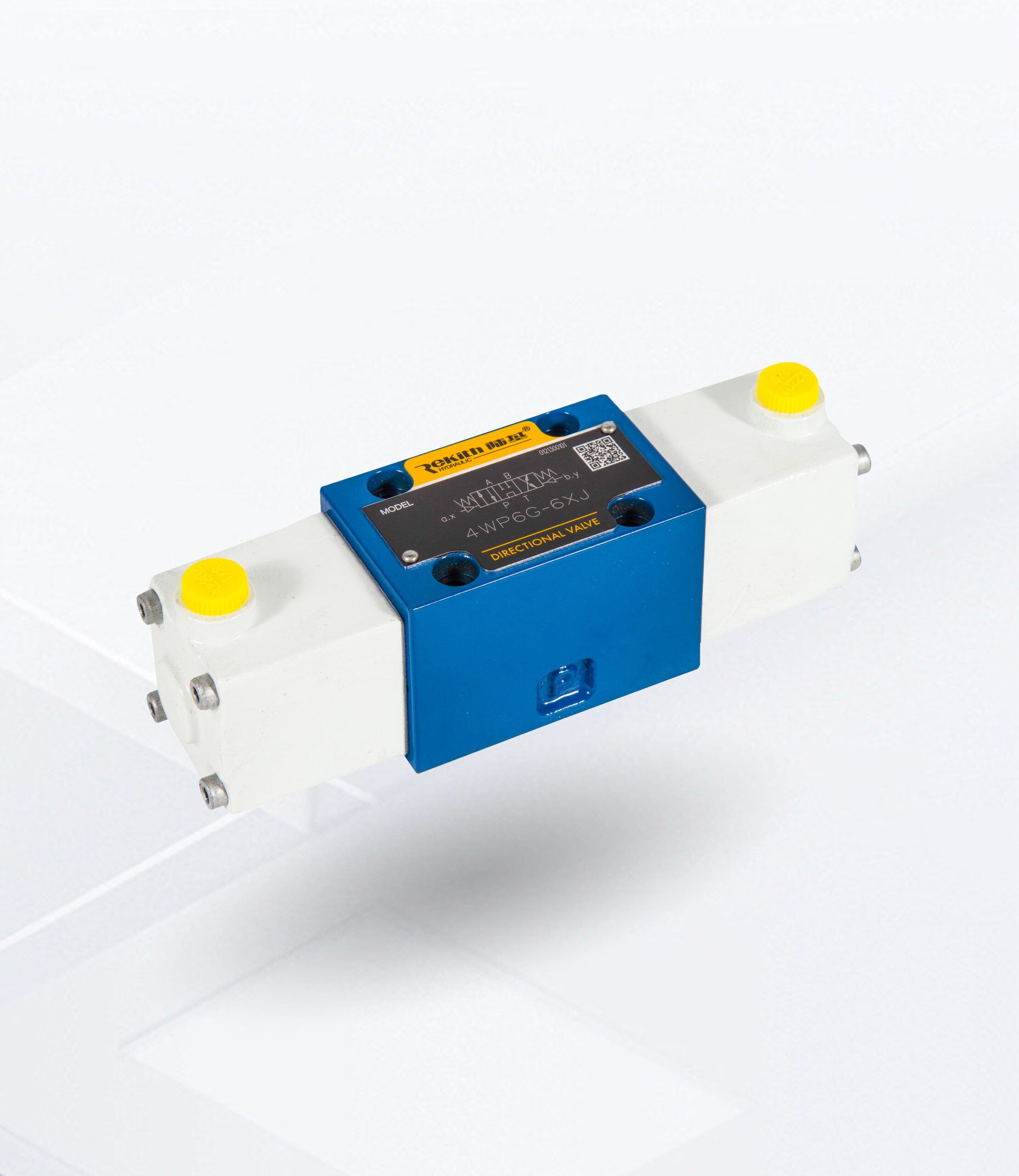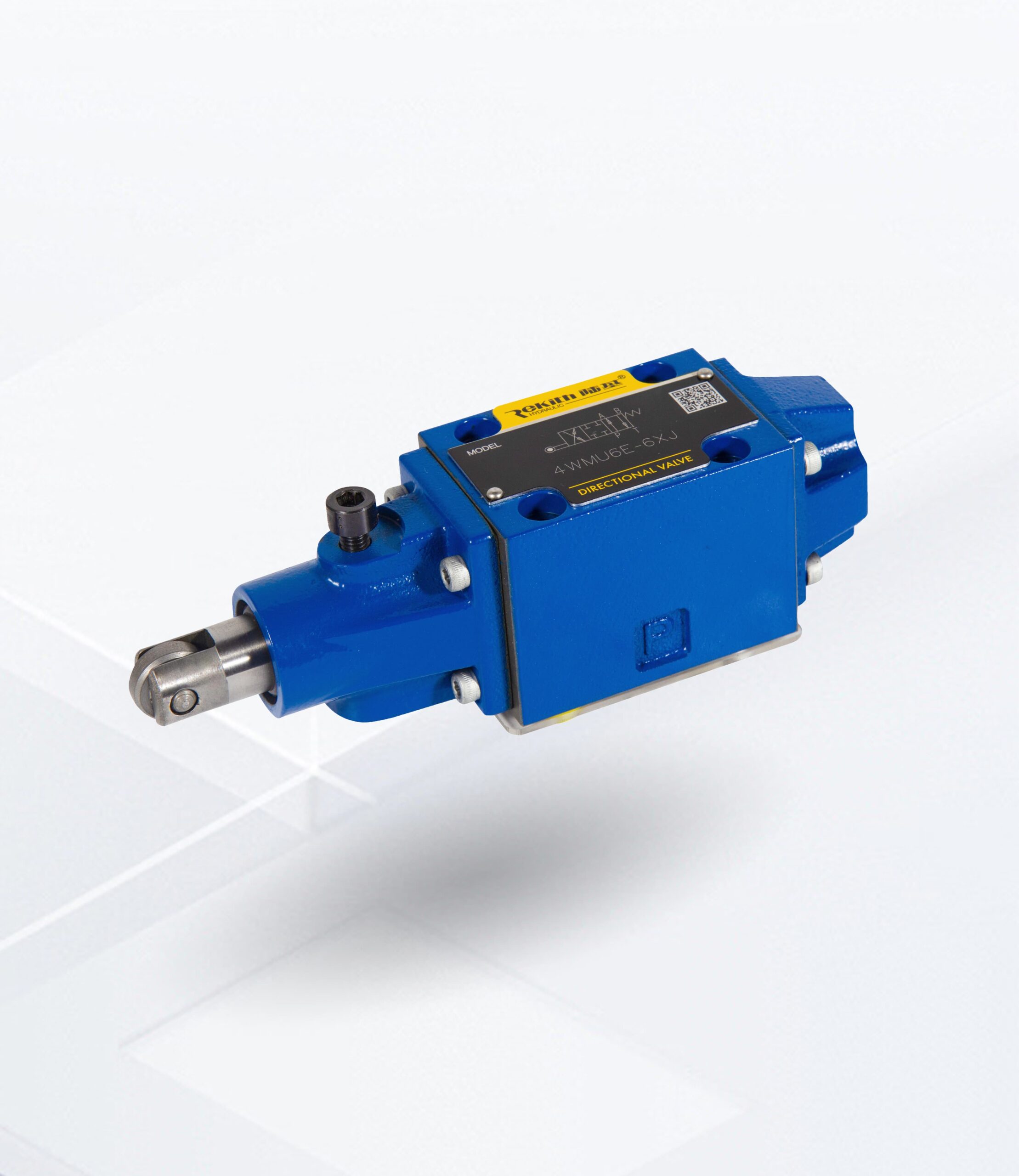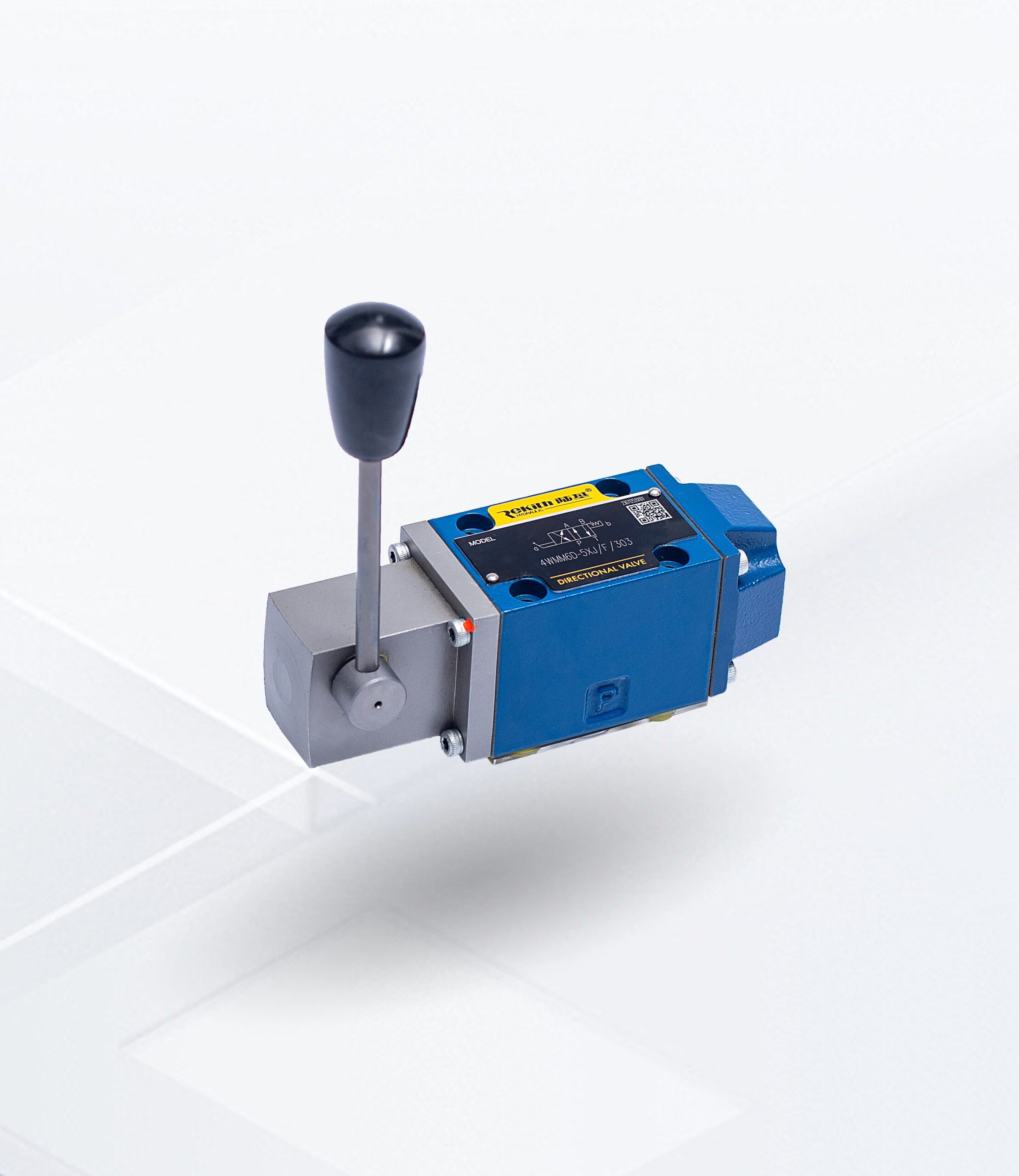

Hydraulic pressure valves are critical components used to control, limit, and regulate pressure in hydraulic systems.
Choosing the correct type of hydraulic pressure valve directly affects system safety, stability, and efficiency.
This guide explains the main types of hydraulic pressure valves, their working principles, differences, and how engineers select the right valve for real operating conditions.
What Are Hydraulic Pressure Valves?
A válvula de pressão hidráulica is a valve that responds to system pressure and performs a control function once a preset pressure value is reached.
Hydraulic pressure valves are used to:
-
Protect hydraulic systems from overpressure
-
Maintain stable operating pressure
-
Control pressure sequence and unloading
-
Hold or balance loads safely
Unlike directional control valves, pressure valves operate automatically based on hydraulic pressure, not external commands.
Main Types of Hydraulic Pressure Valves
Based on function and control behavior, hydraulic pressure valves can be classified into the following main types.
1. Hydraulic Pressure Relief Valves
A válvula de descompressão hidráulica limits the maximum pressure of a hydraulic system.
When system pressure reaches the preset value, the relief valve opens and diverts excess oil back to the tank, preventing component damage.
Common applications
-
Pump protection
-
System safety circuits
-
Pressure limitation in hydraulic systems
Types of pressure relief valves
-
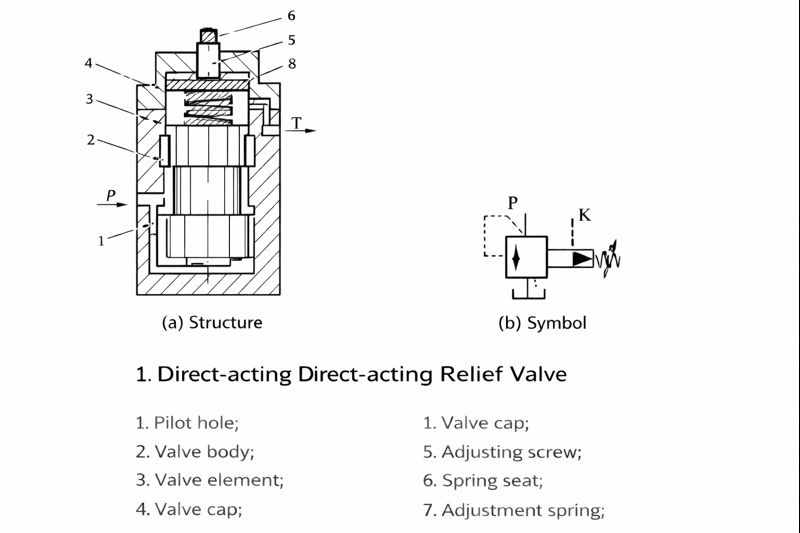
Direct acting pressure relief valves
-
Pilot operated pressure relief valves

Each type behaves differently under high pressure and high flow conditions.
2. Direct Acting vs Pilot Operated Pressure Relief Valves
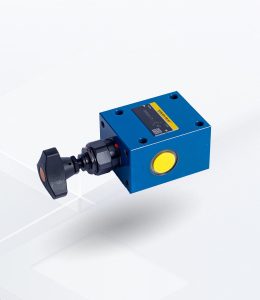
Direct Acting Pressure Relief Valves
Direct acting relief valves open directly under system pressure acting on the valve element.
Characteristics:
-
Simple structure
-
Fast response
-
Suitable for low flow applications
-
Pressure tends to fluctuate at high flow rates
Direct acting valves are commonly used in small hydraulic systems or auxiliary circuits.
Pilot Operated Pressure Relief Valves
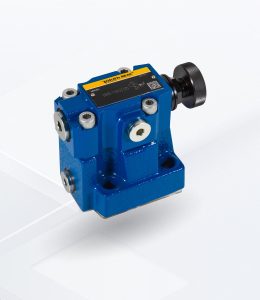
Pilot operated relief valves use a two-stage design, where a pilot valve controls the opening of the main valve.
Characteristics:
-
Smooth pressure control
-
Better stability near set pressure
-
Lower noise and vibration
-
Ideal for high pressure and high flow systems
In real hydraulic systems, pilot operated pressure relief valves are preferred when pressure stability and continuous operation are required.
3. Hydraulic Pressure Reducing Valves
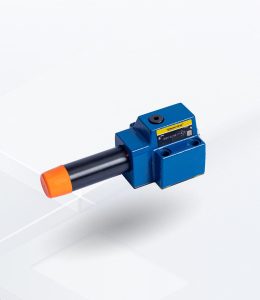
A pressure reducing valve maintains a constant lower pressure in a branch circuit, regardless of upstream pressure changes.
Aplicações típicas
-
Actuators requiring lower pressure
-
Auxiliary hydraulic circuits
-
Sensitive components
Pressure reducing valves are installed downstream and control pressure locally rather than system-wide.
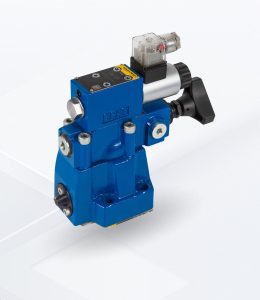
4. Hydraulic Unloading Valves
Hydraulic unloading valves reduce pump load by allowing oil to return to tank when high pressure is no longer required.
Aplicações típicas
-
Accumulator charging circuits
-
Energy-saving hydraulic systems
-
Intermittent high-pressure operation
Unloading valves significantly improve system efficiency and reduce heat generation.
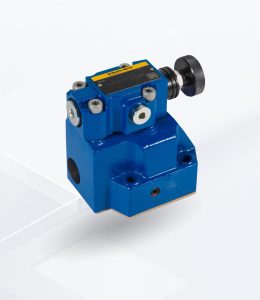
5. Hydraulic Sequence Valves
Hydraulic sequence valves control the order of actuator operation based on pressure levels.
When pressure reaches a preset value, the sequence valve opens and allows flow to the next circuit.
Common uses
-
Multi-cylinder systems
-
Clamping and machining circuits
-
Automated hydraulic processes
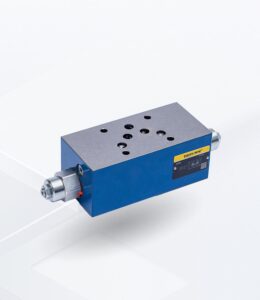
6. Hydraulic Counterbalance (Load-Holding) Valves
Counterbalance valves maintain back pressure to prevent uncontrolled movement of loads.
Common applications
-
Lifting equipment
-
Vertical cylinders
-
Hydraulic motors under load
These valves are essential for safety-critical load holding systems.
How to Select the Right Hydraulic Pressure Valve
Correct hydraulic pressure valve selection requires evaluating condições operacionais reais, not just catalog ratings.
Key selection factors include:
-
Pressão máxima de trabalho
-
Flow rate and flow fluctuation
-
Pressure stability requirements
-
Operating cycle and duty time
-
Oil cleanliness and filtration
-
Ambient temperature and installation conditions
Selecting the wrong pressure valve often leads to noise, pressure instability, and excessive heat.
Common Mistakes in Hydraulic Pressure Valve Selection
Engineers often encounter problems due to these common mistakes:
-
Selecting valves only by pressure rating
-
Ignoring flow-induced pressure instability
-
Using pilot operated valves in low-flow circuits unnecessarily
-
Overlooking oil contamination sensitivity
-
Replacing valves without system re-adjustment
Avoiding these mistakes improves long-term system reliability.
Conclusion: Choose Pressure Valves Based on System Behavior
Understanding the types of hydraulic pressure valves and their working principles is essential for reliable hydraulic system design.
The best hydraulic pressure valve is not the most complex one —it is the valve that matches the system’s real operating behavior.
FAQ
What is a hydraulic pressure valve used for
A hydraulic pressure valve is used to control, limit, or regulate pressure in a hydraulic system. It protects components from overpressure, maintains stable operating pressure, controls actuator sequences, and ensures safe load holding under varying working conditions.
What are the main types of hydraulic pressure valves
The main types of hydraulic pressure valves include pressure relief valves, pressure reducing valves, unloading valves, sequence valves, and counterbalance valves. Each type serves a specific pressure control or safety function within a hydraulic circuit.
What is the difference between direct acting and pilot operated pressure relief valves
A direct acting pressure relief valve opens directly in response to system pressure and is best suited for low-flow applications with fast response requirements. A pilot operated pressure relief valve uses a two-stage design, offering better pressure stability, lower noise, and improved performance in high-pressure or high-flow hydraulic systems.
Application Support
For application-specific valve selection or technical assistance, please contact our engineering support team. Our specialists can help evaluate operating conditions, pressure requirements, and system behavior to recommend appropriate solutions.