
Author: Engineer Liu | Technical Director at Rekith Hydraulics
1. Introduction: Why Choosing the Right Hydraulic Valve Manufacturer Matters
Hydraulic valves determine the stability, precision, energy efficiency, and safety of hydraulic systems. Whether used in injection molding, die casting, construction machinery, offshore equipment, or industrial automation, the choice of manufacturer directly impacts:
-
System uptime
-
Component reliability
-
Long-term maintenance costs
-
Production efficiency
-
Total cost of ownership (TCO)
As we enter 2025, the global industry demands smarter, more reliable, and more energy-efficient hydraulic valve solutions.
This guide provides engineers, OEM designers, and procurement specialists with a complete evaluation framework and a neutral comparison of the top global hydraulic valve manufacturers.
2. Future Trends in Hydraulic Valve Technology (2025 → 2030)
Hydraulic valve technology is evolving rapidly. Key innovation trends include:
1) Bio-based and biodegradable hydraulic fluids
Supporting sustainability goals and environmental regulations.
2) Additive manufacturing (3D printing)
Enables lightweight designs and optimized internal flow geometries.
3) AI-powered smart valves
Featuring integrated sensors for:
-
Predictive maintenance
-
Real-time performance monitoring
-
Intelligent flow/pressure adjustments
4) Miniaturization & micro-hydraulics
Critical for robotics, medical devices, and compact industrial machines.
5) Digital twins & virtual commissioning
Accelerating development cycles and improving system reliability.
Manufacturers investing in these areas will shape the next generation of hydraulic systems.
3. How to Select the Right Hydraulic Valve Manufacturer (7 Engineering Criteria)
Choosing the right supplier goes far beyond comparing price.
Below are engineering-driven criteria used by top OEMs worldwide:
1️⃣ Quality Standards & Certifications
Top manufacturers typically adhere to the following certifications:
-
ISO 9001 (Quality Management Systems)
-
ISO 14001 (Environmental Management)
-
API 6D (Piping and pipeline valves)
-
ATEX (For equipment in explosive environments)
Engineering tip: Always request pressure test reports, leakage curves, and P-Q performance graphs.
2️⃣ R&D and Innovation Capability
Indicators of a strong engineering manufacturer:
-
CFD / FEA simulation capabilities
-
In-house hydraulic performance testing
-
New coating technologies (DLC, nitriding)
-
Proportional & electronic control development
-
Collaboration with universities / labs
3️⃣ Technical Support & Documentation
Professional suppliers should offer:
-
Detailed 2D/3D drawings + datasheets
-
Installation and tuning guides
-
Fast-response engineering support
-
Application-specific recommendations
4️⃣ Production Capacity & Lead Times
Evaluate:
-
CNC machining capabilities
-
Automation level of the production line
-
Standard vs. custom lead times
-
Availability of regional warehouses
-
Supply chain stability
5️⃣ Industry Experience & OEM References
Ask:
-
Do they have cases in your application field?
-
Are they supplying well-known OEMs?
-
Do they support custom system design?
6️⃣ Product Range & Customization Ability
A strong manufacturer should provide:
-
Full range valves: directional, pressure, flow, proportional
-
Cartridge valves & manifold blocks
-
High-pressure & high-flow options
-
Custom porting, material & control configurations
7️⃣ Total Cost of Ownership (TCO)
Long-term value is more important than unit price:
-
Component durability
-
Failure rates
-
Spare parts availability
-
Energy consumption
-
Engineering service
4. Top Hydraulic Valve Manufacturers in 2025 (Global Overview)
1) Parker Hannifin (USA)

A Fortune 250 leader in motion & control technologies with one of the world’s largest hydraulic portfolios.
Best for: High-end industrial systems requiring maximum durability and global service support.
2) Bosch Rexroth (Germany)
Renowned for precision and digital hydraulics. Widely used in injection molding, automation, and forming machinery.
Best for: High-precision, closed-loop applications.
3) Eaton Hydraulics (USA)

Balanced performance and cost. Strong in both industrial and mobile hydraulics.
Best for: General industrial machinery and global OEMs.
4) Danfoss Power Solutions (Denmark)
A global leader in mobile hydraulics with advanced electro-hydraulic control stacks.
Best for: Agricultural machinery, construction equipment, off-highway vehicles.
5) Moog (USA)

High-performance servo valves widely used in aerospace and precision motion control.
Best for: Test benches, aerospace actuators, ultra-high precision systems.
6) Rekith Hydraulics (China)
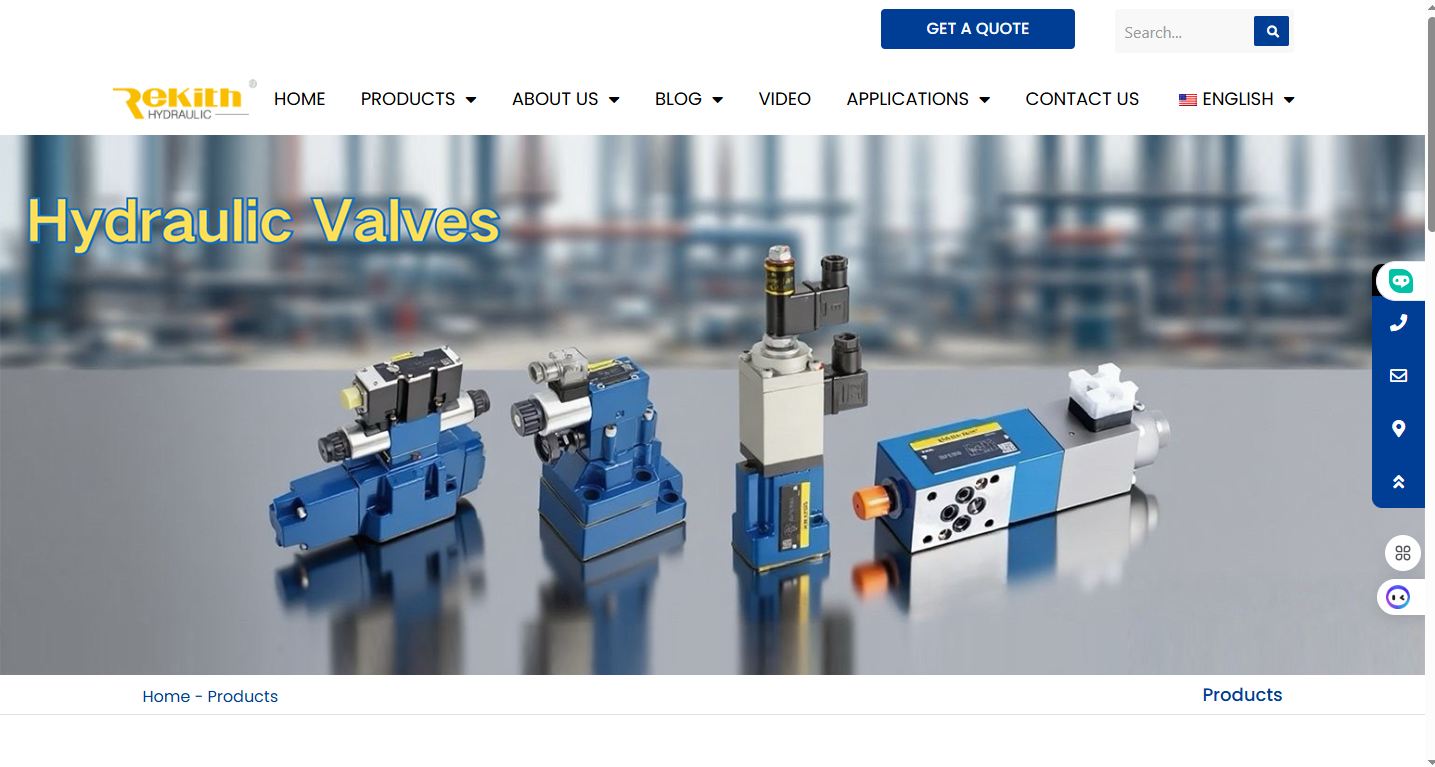
A fast-growing OEM-focused hydraulic manufacturer with 20+ years of experience.
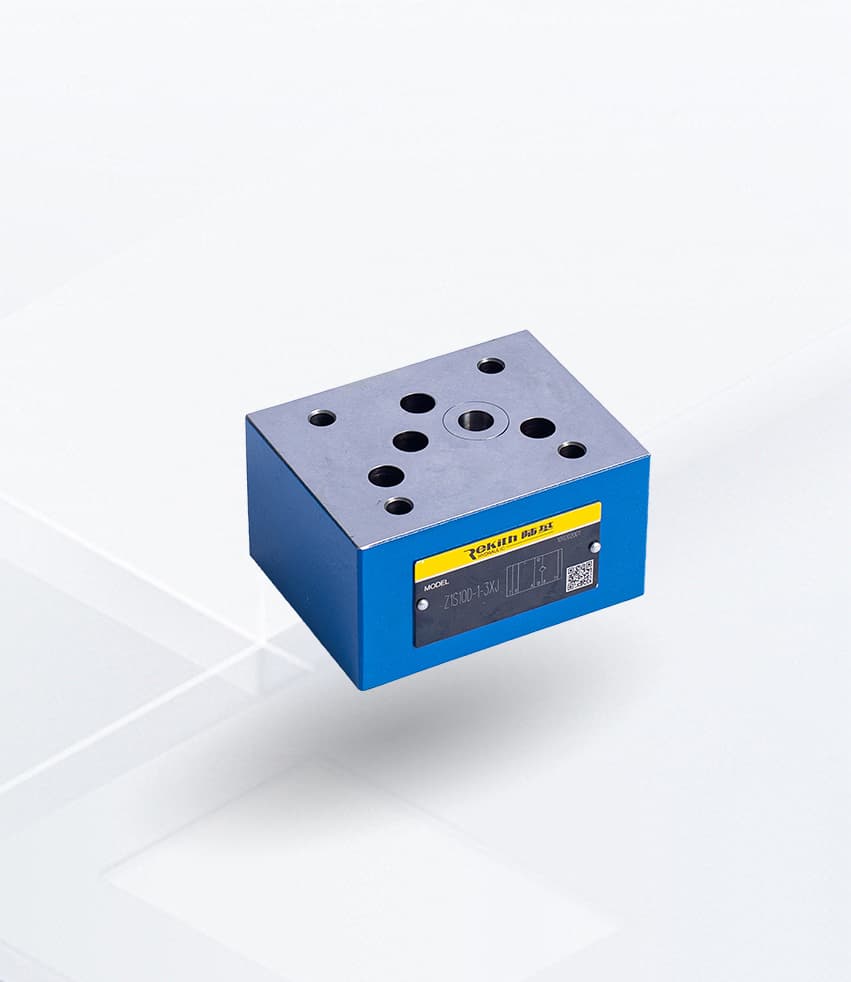
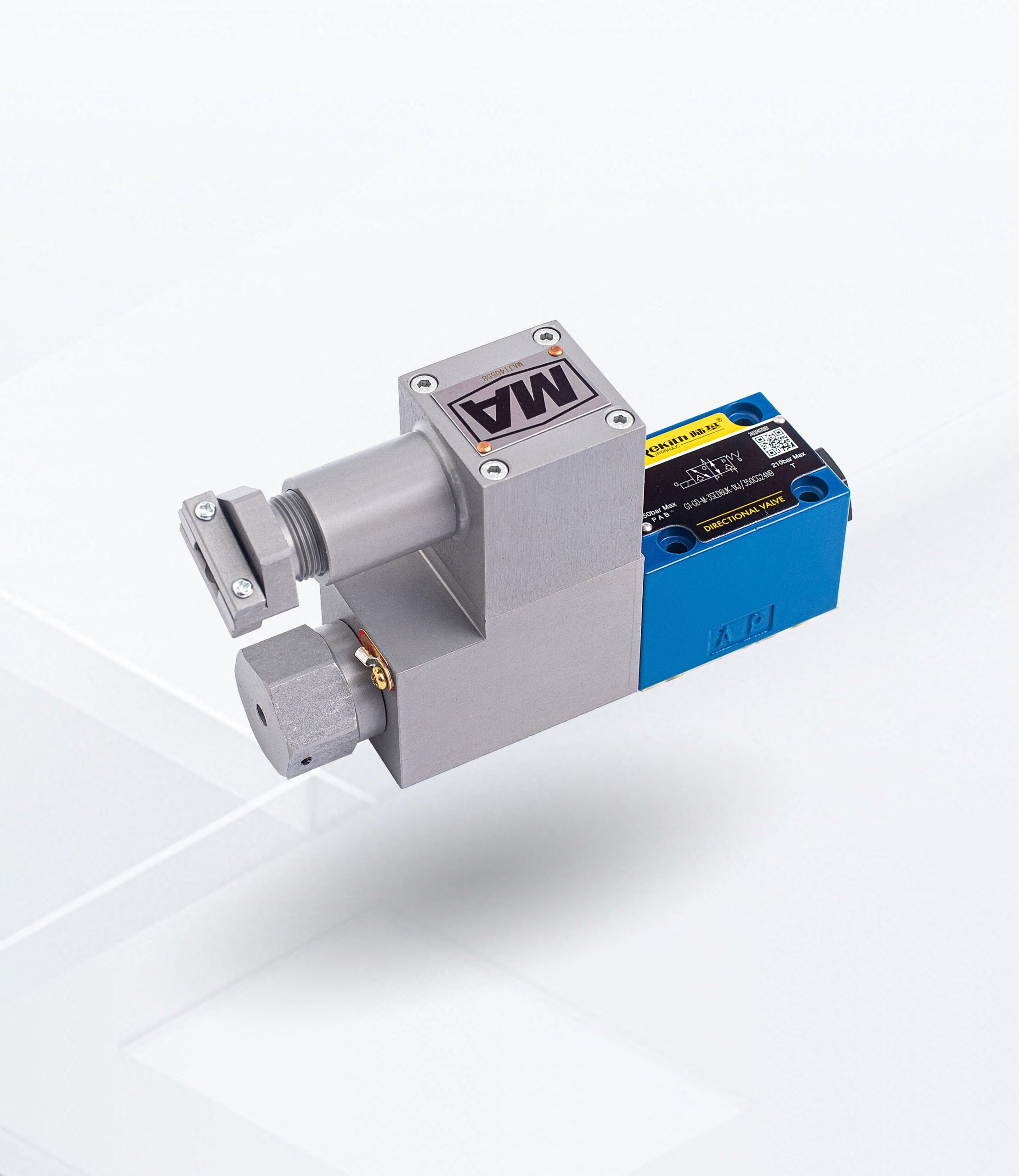
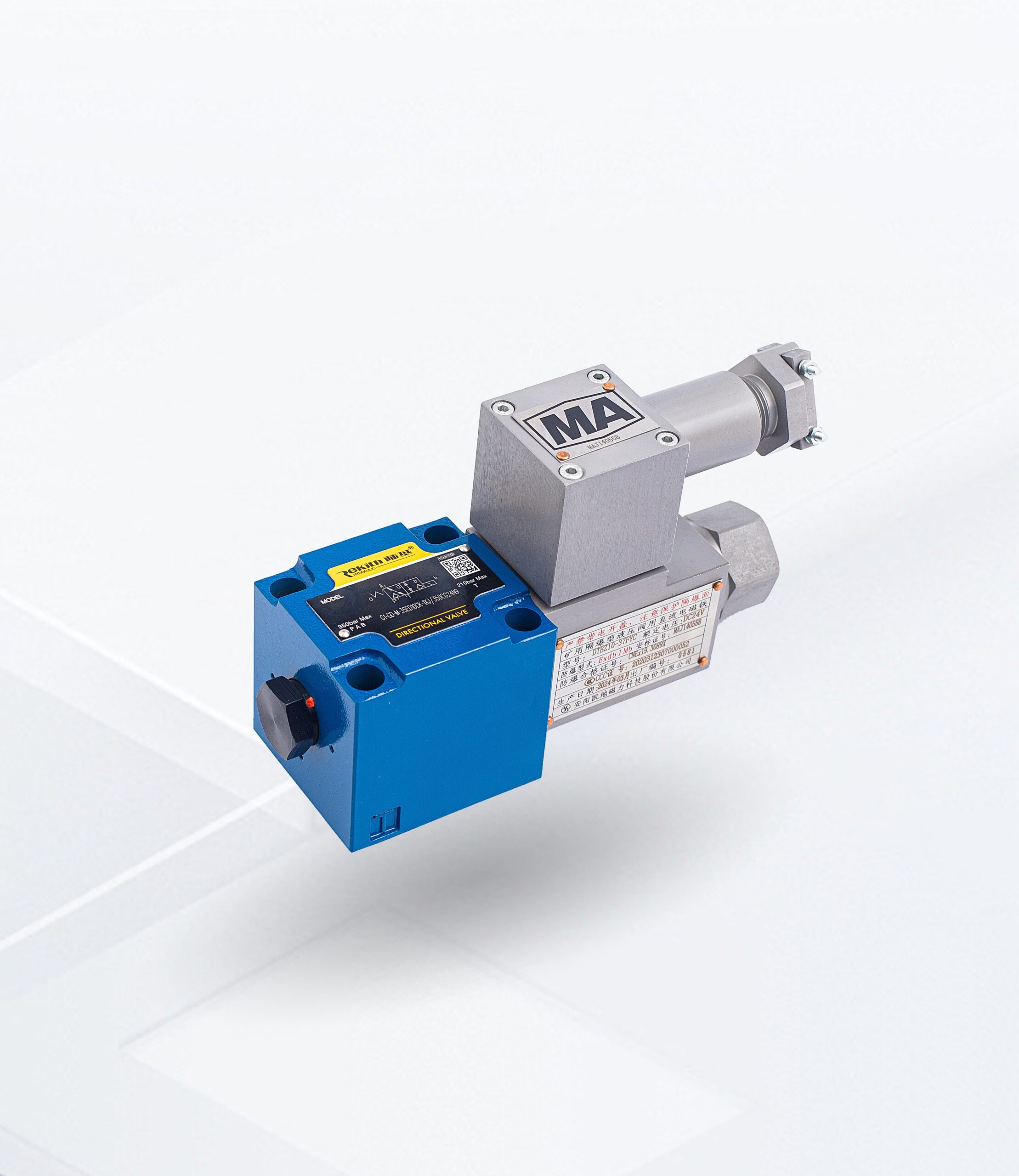
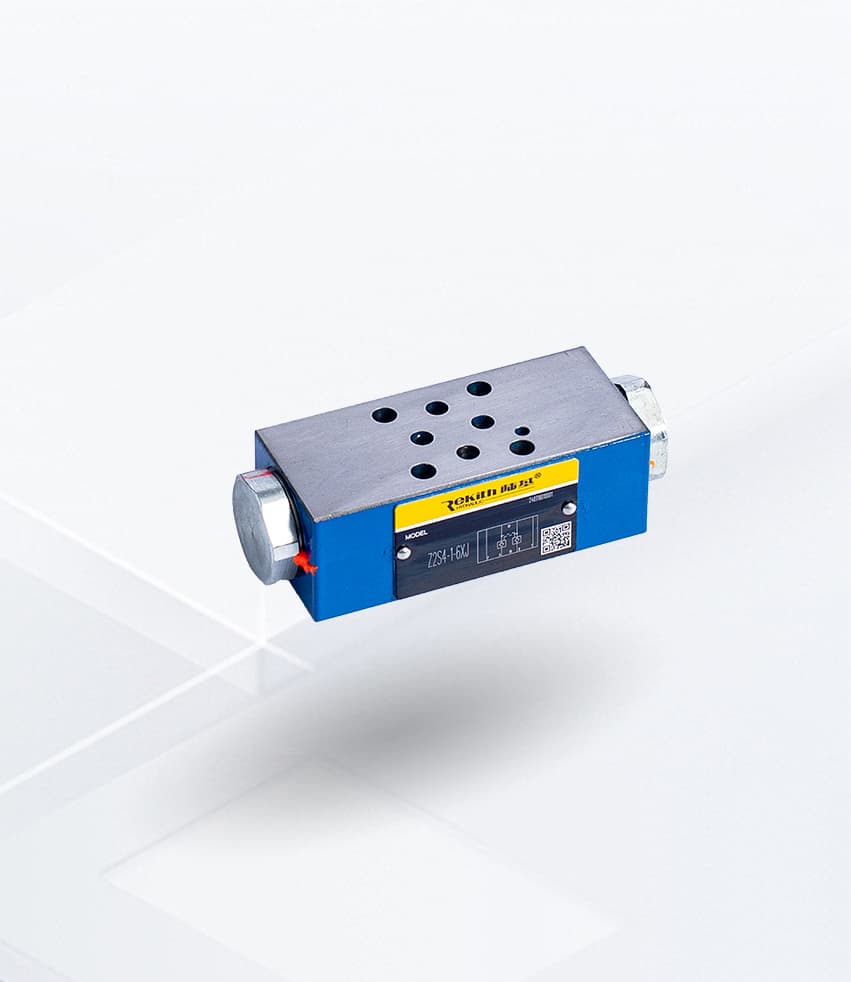
Specialties include directional valves, pressure relief/reducing valves, proportional control valves, cartridge valves, and custom hydraulic manifolds.
Rekith provides ISO-certified production, CNC manufacturing, and 100% pressure-tested valves engineered for molding, die casting, offshore, wind power, and mobile machinery systems.
Best for: OEM machinery manufacturers and system integrators seeking flexible engineering support and strong cost-performance value.
| Manufacturer | Strengths | Ideal Applications | |
|---|---|---|---|
| Parker | Aerospace-grade reliability | High-end industrial | |
| Rexroth | Precision + digital hydraulics | Automation, molding | |
| Eaton | Balanced performance | General machinery | |
| Danfoss | Mobile hydraulics leader | Off-highway equipment | |
| Moog | Servo control excellence | Aerospace, test systems | |
| Rekith | Custom valves & manifolds + fast delivery | OEM systems | |
6. Industry Challenges & Manufacturer Strategies (2025 Outlook)
| Challenge | Industry Response |
|---|---|
| Sustainability | Bio-fluids, green manufacturing, higher efficiency valves |
| Digitalization | Smart valves, IoT monitoring, digital twins |
| Skilled labor shortages | Factory automation, intuitive design, better tools |
| Complexity | Modular manifolds, integrated systems, plug-and-play valve packages |
7. Final Recommendations: How to Choose the Right Manufacturer
When selecting a hydraulic valve supplier:
✔ Evaluate certifications & engineering capability
✔ Review real OEM application cases
✔ Compare TCO rather than unit price
✔ Check testing standards & performance curves
✔ Ensure long-term support availability
Choosing the right partner ensures system safety, reliability, and reduced downtime.
8. Contact Rekith Hydraulics
📧 Request engineering consultation or valve selection support
Our technical team can help evaluate your system and recommend the optimal valve or manifold configuration.
9. FAQ
Q1: Who are the top hydraulic valve manufacturers in 2025?
Parker, Rexroth, Eaton, Danfoss, Moog, HYDAC, HAWE, Sun Hydraulics, Yuken, and Rekith.
Q2: What criteria should I use to choose a hydraulic valve supplier?
Certifications, engineering capability, customization ability, delivery reliability, TCO, and application experience.
Q3: Why consider Rekith Hydraulics?
Strong OEM experience, high customization capability, competitive pricing, and ISO-certified manufacturing.
Q4: What technological trends will influence hydraulic valves in 2025–2030?
AI smart valves, biodegradable fluids, additive manufacturing, miniaturization, and digital twins.
✅ Ready to benchmark your current hydraulic valve supplier against Rekith?
Contact Rekith Hydraulics for technical consultation and a project-specific quotation
Contact Rekith Hydraulics