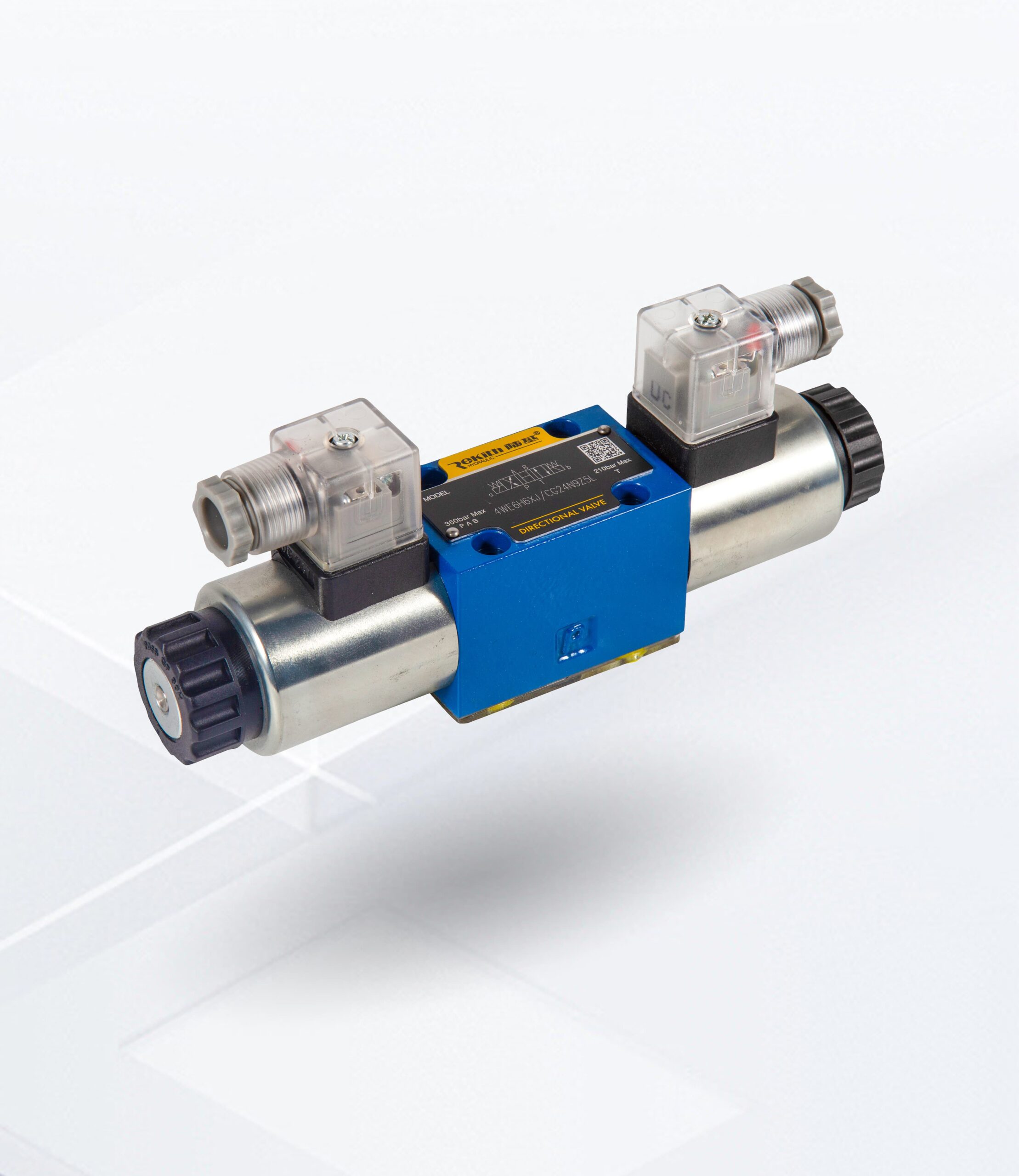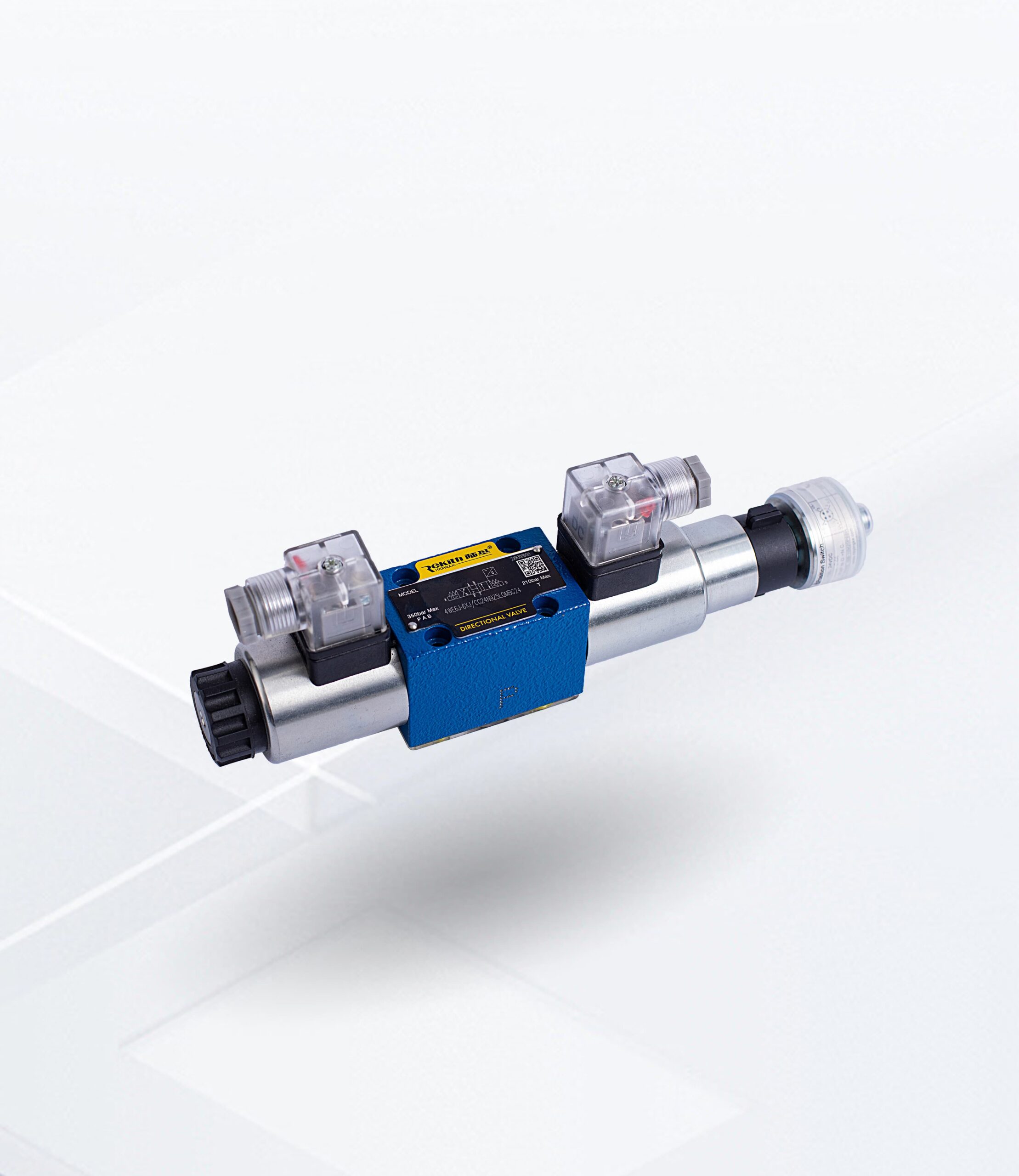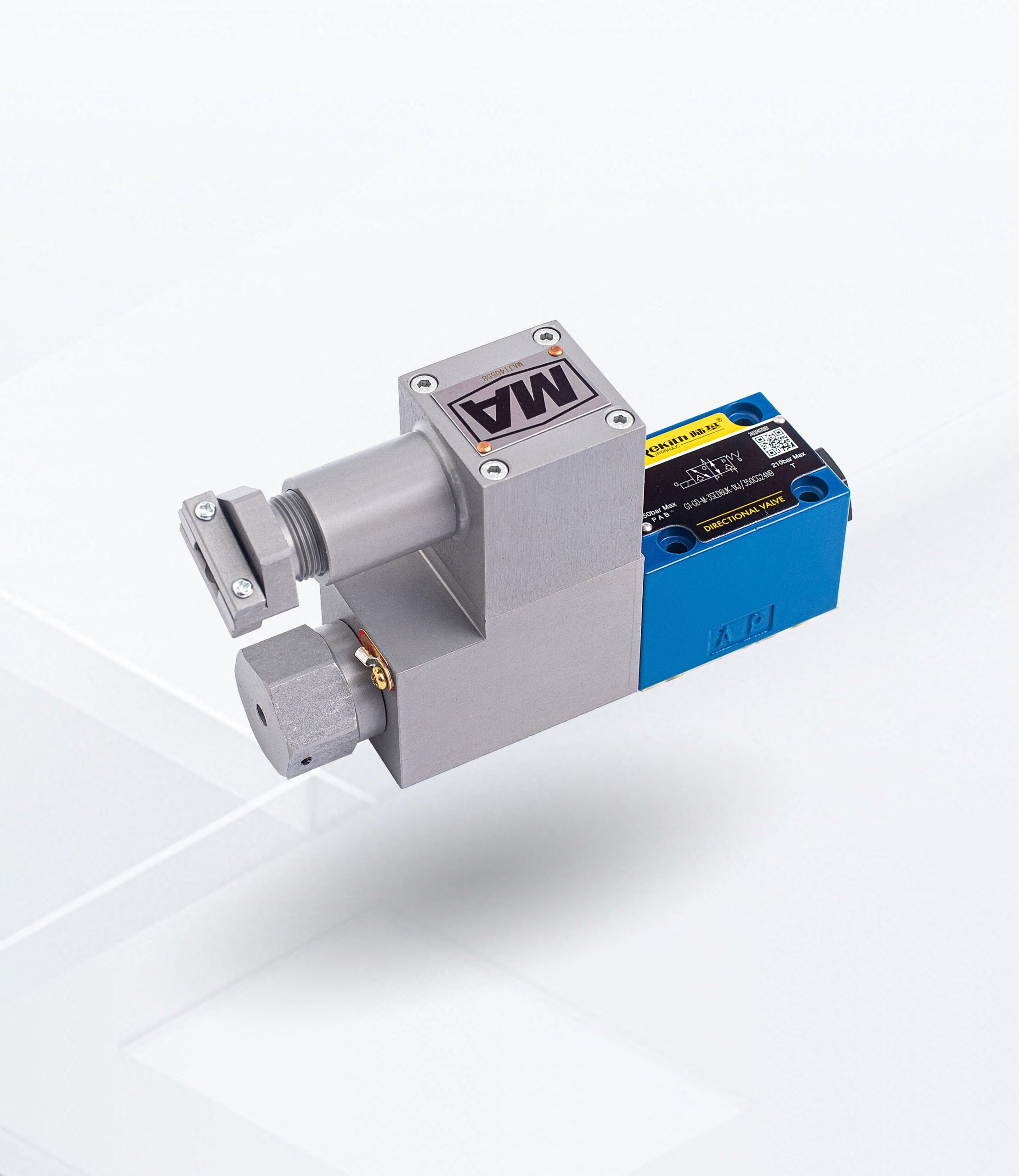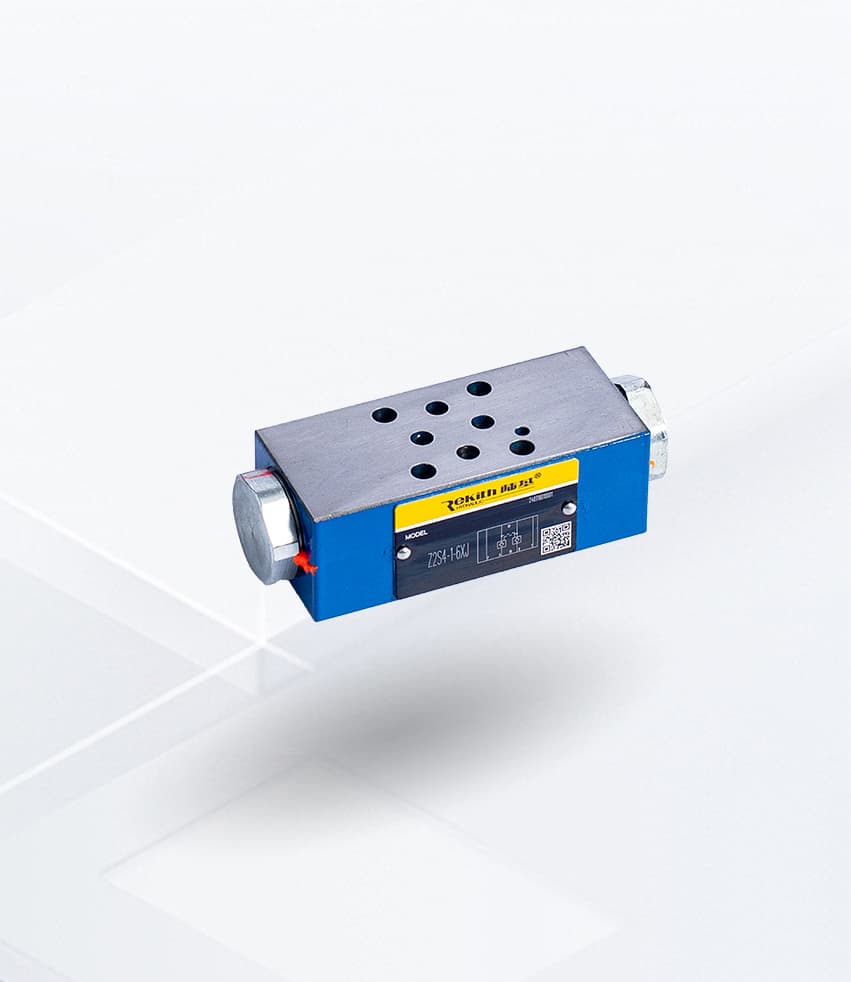

Every industrial hydraulic system needs reliable protection against pressure spikes. Rekith’s precision-engineered hydraulic pressure relief valves are designed to safeguard pumps, actuators, and critical fluid power components by maintaining optimal pressure limits. Contact us for OEM and replacement valves today.
What is a Hydraulic Pressure Relief Valve?
A hydraulic pressure relief valve (PRV) is a critical safety device in pressurized hydraulic systems. To better understand how pressure relief valves compare with other pressure control valves,you can read our detailed guide on the difference between a pressure relief valve and a pressure reducing valve.Its main function is to limit the system’s maximum pressure to prevent equipment damage or safety hazards. PRVs are typically installed close to the hydraulic pump, allowing them to protect the entire system.
When system pressure exceeds a preset limit, the valve automatically opens, diverting excess fluid back to the reservoir. This protects:
-
Pumps and actuators from overpressure
-
Hydraulic hoses and seals from bursting
-
Operators from sudden pressure spikes
-
System efficiency by reducing heat buildup and energy loss
Why Relief Valve Quality Matters
The performance of your hydraulic system depends heavily on valve quality. Low-quality or worn-out relief valves can result in:
-
Erratic pressure spikes: Causing unplanned downtime and safety risks
-
Internal leakage: Leading to energy loss, increased heat, and reduced efficiency
-
Sluggish response: Damaging expensive machinery and endangering operators
Rekith valves are manufactured under ISO 9001 certified processes and tested to handle pressures up to 350 Bar, ensuring consistent performance under extreme conditions.
3 Core Types of Hydraulic Pressure Relief Valves
Selecting the right type of relief valve is crucial for system stability, efficiency, and longevity.
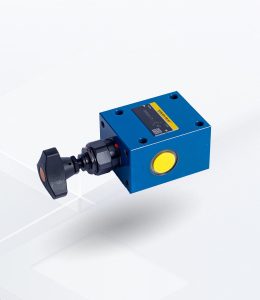
1. Direct-Operated Relief Valves
-
How it works: Pressure acts directly against a spring. When pressure exceeds the spring force, the poppet opens, relieving fluid.
-
Best for: Low-flow systems, simple circuits, and applications needing instant response during pressure spikes.
-
Advantages: Quick opening, simple design, easy maintenance
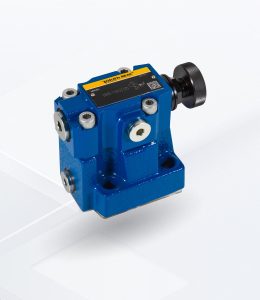
2. Pilot-Operated Relief Valves
-
How it works: A small pilot valve senses pressure and controls the main poppet. This two-stage design allows large flow handling while maintaining stable pressure regulation.
-
Best for: High-flow, high-pressure applications like injection molding machines or hydraulic presses.
-
Advantages: Smooth operation, high efficiency, quiet performance
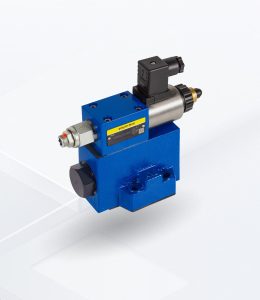
3. Proportional Relief Valves
-
How it works: Uses an electronic solenoid to dynamically adjust relief pressure based on system requirements.
-
Best for: Automated or precision machinery where pressure changes constantly, such as advanced manufacturing or injection molding.
-
Advantages: Real-time pressure adjustment, precise control, integration with PLC systems
Typical Industrial Applications
Rekith hydraulic pressure relief valves are widely used in heavy-duty industrial systems, including:
-
Injection Molding Machines: Maintains stable holding pressure and back-pressure, protecting pumps and molds.
-
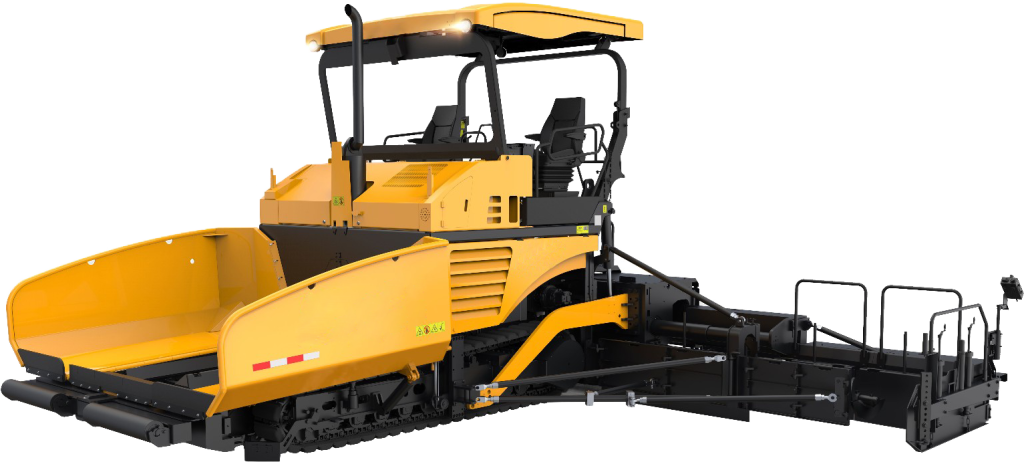
Construction Machinery: Excavators, loaders, and cranes use PRVs to absorb shocks and prevent overpressure damage.
-
Hydraulic Presses: Ensures precise metal forming, stamping, and pressing with accurate pressure control.
-
Mobile Hydraulic Systems: Protects equipment under varying temperatures, vibrations, and dynamic loads.
4-Step Selection Guide: How to Choose the Right Valve
After selecting the correct valve, proper pressure adjustment is essential for safe operation.
If you’re unsure how to set the correct pressure, follow our step-by-step guide on how to set and adjust a hydraulic pressure relief valve.
Follow this checklist when selecting a relief valve:
1. Maximum Operating Pressure
Determine system peak pressure: 210 Bar, 315 Bar, or 350 Bar. The valve must match or exceed this pressure.
2. Maximum Flow Rate (L/min)
A valve too small for your flow will cause pressure drop, heat buildup, and efficiency loss. Valve sizes: NG6, NG10, NG25.
3. Response Time
-
Direct-Operated: Instant protection for low-flow systems
-
Pilot-Operated: Stable high-flow relief for large systems
4. Mounting Type
-
Subplate Mounted: Modular hydraulic blocks
-
Cartridge Type: Screw-in block mounting
-
Sandwich Plate: Compact stacked valves
Troubleshooting Common Relief Valve Problems
Even high-quality hydraulic pressure relief valves may occasionally face issues such as chattering or pressure instability.
For a complete diagnostic workflow, see our Hydraulic Pressure Relief Valve Troubleshooting Guide.
| Problem | Possible Causes | Recommended Solution |
|---|---|---|
| Chattering | Air in system, unstable flow | Bleed air, check pump flow stability |
| Leakage | Worn seals, contamination | Replace seals, clean hydraulic fluid |
| Pressure Instability | Incorrect settings, pilot valve malfunction | Reset pressure, inspect pilot stage |
Why Choose Rekith Hydraulic Relief Valves
-
ISO 9001 Certified Quality: Ensures reliability under extreme pressures
-
Precision CNC Manufacturing: Tight tolerances for long service life
-
350 Bar Pressure Rating: Handles demanding industrial applications
-
OEM Compatibility: Direct replacement for major brands
-
Stable Pressure-Flow Curves: Consistent operation under varying conditions
FAQ
Q1: What is a hydraulic pressure relief valve?
A: Protects hydraulic systems by releasing excess pressure. Installed near pumps to safeguard all components.
Q2: How does a direct-operated relief valve work?
A: Uses a spring-loaded poppet; opens immediately when pressure exceeds setpoint.
Q3: How does a pilot-operated valve differ?
A: Pilot stage controls main valve; allows higher flow and smoother pressure regulation.
Q4: What is a proportional relief valve?
A: Electronically controlled; adjusts relief pressure dynamically for automated or precision machinery.
Q5: Where should a relief valve be installed?
A: Close to the pump to protect the entire system.
Q6: How to troubleshoot a leaking or chattering valve?
A: Check air, flow, spring setting, and seal condition.
Q7: What happens if a relief valve fails?
A: Overpressure may damage pumps, hoses, and cylinders; can cause system downtime and safety hazards.
Ready to Upgrade or Replace?
Stop losing money to machine downtime and inefficient hydraulic systems. Whether you need:
-
Direct replacement valves
-
OEM hydraulic solutions
-
Custom manifold assemblies
Rekith Hydraulics delivers precision-engineered valves built for heavy-duty industrial environments.
[Request a Quote Today] | [View Our Full Valve Catalog]
Technical questions? Our engineering team is ready to select the precise valve for your application.