
How to Set and Adjust a Hydraulic Pressure Relief Valve
Hydraulic pressure relief valves are critical components in hydraulic systems, ensuring safe operating pressures and preventing damage from pressure spikes. Proper setting and adjustment of these valves are essential for system efficiency and safety. Below is a comprehensive guide to help you set and adjust a hydraulic pressure relief valve effectively.
Before adjusting any valve, confirm you’re using the correct type—See the difference between a pressure relief valve and a pressure reducing valve.
before setting or adjusting a relief valve, it’s critical to confirm that incorrect adjustment is truly the root cause.
For a complete diagnostic framework, see hydraulic pressure relief valve troubleshooting
Understanding the Role of a Hydraulic Pressure Relief Valve
What is a Hydraulic Pressure Relief Valve?
A hydraulic pressure relief valve is a safety device designed to control or limit pressure in a hydraulic system. It automatically opens when the pressure exceeds a preset level, allowing excess fluid to escape into a reservoir, thereby preventing system damage.
If you want a complete overview of how these valves work, their types, and applications, read our →
Hydraulic Pressure Relief Valve: Types & Selection Guide
How Does the Pressure Relief Valve Work?
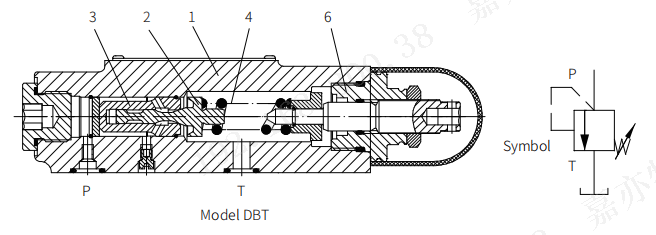
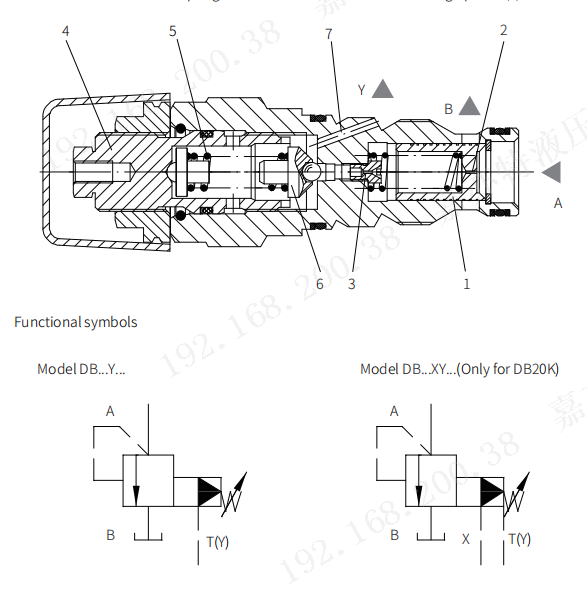
- Spring Mechanism: The valve remains closed under normal pressure due to the spring force. When the hydraulic pressure exceeds the spring’s preset force, the spool moves, opening the valve and allowing fluid to flow out.
- Pressure Regulation: The valve maintains a constant inlet pressure as long as it is open. Adjusting the spring force changes the relief pressure, and the damping orifice reduces spool vibration for stability.
- Internal Leakage: Any fluid leaking into the spring chamber is discharged back to the tank, ensuring smooth operation.
Importance in Hydraulic Systems
- Safety: Prevents overpressure, which can cause leaks, bursts, or mechanical failures.
- Efficiency: Ensures the system operates within design specifications, minimizing downtime and maintenance costs.
- Longevity: Protects system components, extending their service life.
Necessary Tools and Safety Precautions
List of Required Tools
- Pressure Gauge: To monitor pressure levels during adjustments.
- Wrench or Adjustable Pliers: For mechanical adjustments.
- Screwdriver: For fine-tuning the adjustment screw.
- Manufacturer’s Specifications: Provides specific details for valve settings.
Safety Precautions
- Wear Protective Gear: Safety glasses, gloves, and protective clothing to shield against hydraulic fluid splashes and sharp edges.
- Depressurize the System: Always ensure the system is depressurized before starting work.
- Follow Manufacturer’s Guidelines: Adhere to recommended procedures to avoid errors.
- Use the Right Tools: Ensure tools are appropriate for the task to prevent damage.
- Work in a Safe Environment: Keep the work area clean, well-lit, and stable.
- Document Changes: Record pressure readings before and after adjustments for future reference.
- Test the System: Verify the system operates within the recommended pressure range after adjustments.
Step-by-Step Guide to Setting the Valve
1. Identifying the Valve Location
- Locate the pressure relief valve in the hydraulic system.
- Connect a pressure gauge at the valve’s location to monitor adjustments accurately.
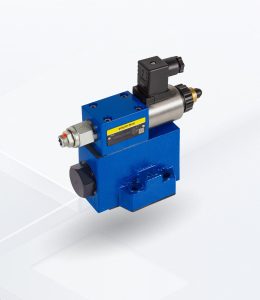
2. Adjusting the Spring
- Loosen the locknut on the valve.
- Use a screwdriver to turn the adjustment screw:
- Clockwise: Increases pressure.
- Counterclockwise: Decreases pressure.
- Make small, incremental adjustments to avoid overcompensation.
⚠️ If increasing the setting does not restore pressure or causes continuous relief flow, adjustment is not the solution. This usually indicates internal leakage, return-line back pressure, or circuit design issues — all covered in Hydraulic Pressure Relief Valve Troubleshooting.
3. Checking System Pressure
- Operate the hydraulic system and observe the pressure gauge.
- Ensure the pressure aligns with the manufacturer’s recommended settings.
- If the pressure exceeds the maximum limit, make further adjustments.
- Tighten the locknut to secure the valve’s setting once the desired pressure is achieved.
Adjusting the Valve for Different System Types
Open Circuit Systems
- Requirement: A load on the system is necessary for accurate adjustment.
- Process: Operate the system under typical load conditions to ensure the valve opens at the correct pressure.
- Importance: Prevents misleadingly high pressure settings and ensures system safety.
Closed Circuit Systems
- Requirement: No load is needed for adjustment.
- Process: Use a spanner to adjust the relief settings directly to the desired level.
- Advantage: Simpler and less time-consuming compared to open circuit systems.
Monitoring and Maintenance
- Regularly test the system to ensure it operates within the desired pressure range.
- Look for signs of valve failure, such as chattering or leakage, and address them promptly.
- Proper maintenance can extend the valve’s service life up to 30 years.
Conclusion
Setting and adjusting a hydraulic pressure relief valve is a critical task that ensures the safety and efficiency of hydraulic systems. By following the steps outlined above, you can maintain optimal system performance and prevent potential hazards. Regular maintenance, adherence to safety protocols, and careful monitoring are key to extending the lifespan of your hydraulic systems.
FAQs
1. How can I adjust a hydraulic pressure relief valve?
- Adjust the spring tension by turning the adjustment screw clockwise to increase pressure or counterclockwise to decrease pressure.
2. What is the process for setting pressure relief valves?
- Calibrate the valve to open at a specific pressure by adjusting the spring tension using an adjustment mechanism.
3. How is the flow adjusted on a hydraulic valve?
- Turn the adjustment screw counterclockwise to increase airflow, raising the actuator arm’s extension rate. Make small adjustments for precise control.
4. Is it possible to adjust a pressure relief valve?
- Yes, most pressure relief valves have an adjustment feature that allows you to set the relief pressure by altering the spring force.
By following this guide, you can confidently set and adjust hydraulic pressure relief valves, ensuring your hydraulic systems operate safely and efficiently.