

In industrial hydraulics, energy efficiency isn’t a slogan—it’s a cost and reliability strategy.
If a fixed-displacement pump keeps producing high-pressure flow while the machine is idling, you’re not just wasting power—you’re accelerating oil heating, seal wear, and motor load. A properly designed hydraulic unloading valve solves this by unloading pump flow to tank at very low pressure while the system still maintains pressure where it matters.
At Rekith Hydraulics, we’ve seen well-designed unloading circuits reduce motor load by over 80% during idle cycles, while cutting heat generation dramatically—especially in accumulator holding and Hi-Lo press systems.
Key Takeaways
-
Energy Saver: Unloads pump flow to tank at near-zero pressure during idle → less heat, less power, longer component life
-
Pilot-Operated Precision: Uses a pilot line to sense downstream pressure (often from an accumulator) and switches decisively
-
Hi-Lo Circuit Essential: Core of high-low pump circuits, enabling small motors to drive high-tonnage presses efficiently
-
Stability Matters: Real-world vibration, contamination, and temperature swing require engineered hysteresis control—not “cheap fitment”
Quick Diagnostic: Do You Need an Unloading Valve?
If you’re unsure whether unloading is missing—or unstable—start here.
If you see these symptoms, unloading is likely missing or unstable
-
Oil temperature climbs during idle/holding
-
Motor sounds “loaded” when the machine is waiting
-
Accumulator charging cycles too frequently (rapid cut-in/cut-out)
-
Pressure ripple/noise around setpoint (chatter)
-
Hi-Lo press loses efficiency during approach-to-press transition
30-second circuit check
-
Do you have an accumulator + check valve that holds pressure?
-
Does the pump still run at high outlet pressure during idle/standby?
-
Is there a dedicated unloading path (Pump → Tank) triggered by downstream pressure?
What Is a Hydraulic Unloading Valve?
A hydraulic unloading valve is a pressure control valve designed to direct pump flow back to tank with minimal resistance once a preset pressure condition is reached—while the system pressure is maintained by a check valve + accumulator, or by circuit geometry.
In simple terms:
-
The system can stay pressurized
-
The pump doesn’t have to fight that pressure
This is why unloading valves are critical in systems with long holding cycles (clamping, braking, accumulator standby), where pressure must be maintained without deadheading the pump.
What an unloading valve is NOT
-
Not a “safety-only” blow-off valve (that’s a relief valve)
-
Not a flow control valve
-
Not a substitute for correct accumulator pre-charge
Best-fit applications
-
Accumulator standby / charging
-
Long holding cycles (clamping, braking, standby pressure)
-
Hi-Lo press / compactor / log splitter circuits
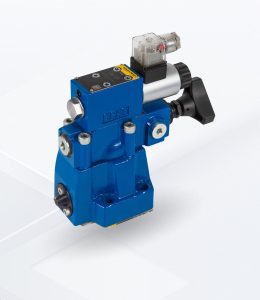
Unloading Valve vs. Relief Valve
Many engineers confuse an unloading valve with a relief valve. The outcome of that mistake is usually heat.
| Feature | Relief Valve (Pressure Relief) | Unloading Valve | What you’ll observe on the machine |
|---|---|---|---|
| Primary purpose | Safety: limit max pressure | Efficiency: unload pump when target pressure reached | Relief: mainly “protect”; Unloading: “works every cycle” |
| Normal operating behavior | Should stay closed during normal cycles (opens only when overpressure) | Opens repeatedly during normal cycles (standby/holding/transition) | If it opens often in normal work → likely need unloading |
| Outlet pressure during action | High pressure remains at pump outlet (flow bleeds off) | Pump outlet pressure drops near tank pressure | Relief used as unloading → motor still “sounds loaded” |
| Heat generation risk | High if it flows frequently | Low when properly unloading | Relief-as-unloading commonly causes overheating |
| Energy efficiency | Poor if used for frequent bypass | High in standby/holding cycles | Unloading reduces idle power draw noticeably |
| Flow handling | Typically handles excess flow above setpoint | Can divert full pump flow to tank | Hi-Lo circuits require full-flow dumping of high-flow pump |
| Circuit role | Pressure limiting “last line of defense” | Function valve for cycle logic (charging/unloading) | Wrong role → unstable control + downtime |
| Typical applications | Overpressure protection, shock limiting | Accumulator charging, Hi-Lo press transitions, standby holding | Misapplication shows in idle heat + noise |
| Selection focus | Max pressure rating, stable relief characteristics | Switching stability, cut-in/cut-out, low ΔP to tank | Unstable unloading shows as chatter/rapid cycling |
| Common failure symptom | Valve “singing” when constantly relieving | Chatter near setpoint, rapid cycling if hysteresis wrong | Both can make noise, but root causes differ |
Relief Valve
-
Purpose: Safety pressure limiting (“blow off” excess flow)
-
Reality: Pump still works against high pressure → continuous heat and energy loss
Unloading Valve
-
Purpose: Reduce pump load by dumping flow to tank when pressure target is reached
-
Reality: Pump outlet pressure drops near zero → pump freewheels, minimal heat
Rule of thumb:
If the valve is supposed to open as part of normal machine cycles, you are typically looking at an unloading function, not a relief-only function.

Working Principle: How a Hydraulic Unloading Valve Works
Most unloading valves are pilot-operated, and the pilot circuit is where the “precision” happens.
1) Charging Phase
-
Valve stays closed (spring-loaded)
-
Pump flow passes through a check valve to charge an accumulator or feed actuators
2) Pressure Sensing via Pilot Line
-
An external pilot line monitors downstream pressure (commonly accumulator pressure)
3) Unloading Trigger
-
When pressure reaches the setpoint, pilot force overcomes the spring
4) Full Flow Diversion (Pump → Tank)
-
Spool shifts and opens a low-resistance path from Pump to Tank
-
Pump outlet pressure drops near zero
5) Reset / Cut-In
-
As the system consumes stored oil, pressure drops to a reset value (often ~85% of setpoint)
-
The valve snaps closed and the pump resumes charging
Rekith Engineering Insight
Many low-cost valves suffer from unstable switching or poor reseat (“hysteresis drift”), leading to pressure fluctuation, noise, and heat. Rekith focuses on precision-ground spools, hardened seats, and stable cut-in/cut-out ratios to keep system pressure predictable under real operating conditions.
System Designs & Where Unloading Valves Shine
1) Accumulator Charging Circuits (Most Common)
Typical setup: Pump → Check Valve → Accumulator + Unloading Valve to Tank
-
Goal: Keep accumulator charged for emergency braking / holding force / standby pressure
-
Benefit: Pump runs unloaded most of the time → less heat, longer pump and motor life
-
Best for: Holding cycles, standby pressure needs, safety backup functions
2) High-Low Pump Circuits (Hi-Lo) for Presses & High Tonnage Systems
Used in trash compactors, presses, log splitters, and many clamping systems.
Setup:
-
A high-flow / low-pressure pump + a low-flow / high-pressure pump share the same drive
-
During rapid approach: both pumps deliver flow
-
When the cylinder hits the workpiece: pressure rises → unloading valve dumps the high-flow pump to tank
-
The small high-pressure pump continues to build force
Result:
You can use a smaller motor because it only needs to drive high pressure on the small pump—big efficiency win.
Types of Hydraulic Unloading Valves
Direct-Acting Unloading Valves
-
Simpler structure, fast response
-
Best for smaller flow, lower power systems
Pilot-Operated Unloading Valves
-
Better stability at high flow
-
Lower pressure drop when unloading
-
Typically preferred for high-flow systems (e.g., >100 L/min)
Unloading Relief (Hybrid)
-
Provides unloading function
-
Also offers safety relief protection if unloading fails or pressure spikes abnormally
| Type | Best when | Pros | Risks / Watch-outs | Typical use cases |
|---|---|---|---|---|
| Direct-acting | Lower flow, simpler systems | Simple, fast, lower cost | Ripple sensitivity, possible chatter | Small power units, compact circuits |
| Pilot-operated | High flow, stable switching needed | Best stability, lower ΔP | Pilot line + damping critical | Accumulator charging, high-flow systems |
| Hybrid | Need unloading + safety backup | Adds protection redundancy | Not a fix for poor circuit design | Press/compactor with spikes |
Sizing & Setting (Practical Rules)
This is the difference between “it works” and “it works reliably for years.”
What to size first
-
Unloading rated flow at acceptable pressure drop (avoid “unloading but still hot”)
-
Pilot sensitivity (stable cut-in/cut-out under real ripple)
-
Leakage requirements for holding circuits (especially with accumulators)
Setting strategy (step-by-step)
-
Confirm accumulator pre-charge before touching the valve
-
Set cut-out to your system target pressure
-
Validate cut-in differential to avoid rapid cycling
-
Verify motor load/current drops during idle
-
Recheck after oil warm-up (viscosity changes can shift behavior)
What to record during commissioning
-
Pressure vs time during full cycle
-
Oil temperature rise trend
-
Motor current during idle vs charging
Troubleshooting: Symptoms → Causes → Fixes
| Symptom | Likely causes | Quick checks (5–10 min) | Fix / Improvement | Priority |
|---|---|---|---|---|
| Chatter / noise near set pressure | Ripple, no damping, air, contamination, wrong pilot point | Watch gauge ripple; check foaming; confirm sensing point | Add damping; bleed air; improve filtration; relocate pilot | High |
| Rapid cycling (cut-in/out too frequent) | Hysteresis too small, wrong pre-charge | Time interval; verify pre-charge | Correct pre-charge; widen band; add damping | High |
| Accumulator won’t charge | Check valve leakage, unloading stuck open, pump wear | Isolate check valve; check return flow | Repair check valve; verify spool movement; check pump flow | High |
| Overheats during idle | Unload pressure too high, backpressure, leakage | Measure outlet pressure during unload | Reduce restriction; enlarge return; fix leakage | High |
| Pressure drops too fast holding | Check valve/accumulator/actuator leakage | Decay test; compare gauges | Fix check valve; correct pre-charge; inspect actuator | Medium |
Why Engineering Credibility Matters
In industrial hydraulics, “it fits” is not the standard. A bad unloading valve doesn’t just leak—it can cause:
-
machine logic errors
-
unstable pressure holding
-
heat runaway
-
pump/motor overload
-
unexpected downtime
Rekith Hydraulics focuses on stability you can trust:
-
Condition-Oriented Design
We validate performance under contamination, thermal shock, and real vibration conditions—because real oil is not lab oil. -
Manufacturing Control
We don’t only assemble. We manufacture core components—so we control tolerances that define pilot stability and switching accuracy. -
Global Compatibility + Engineering Support
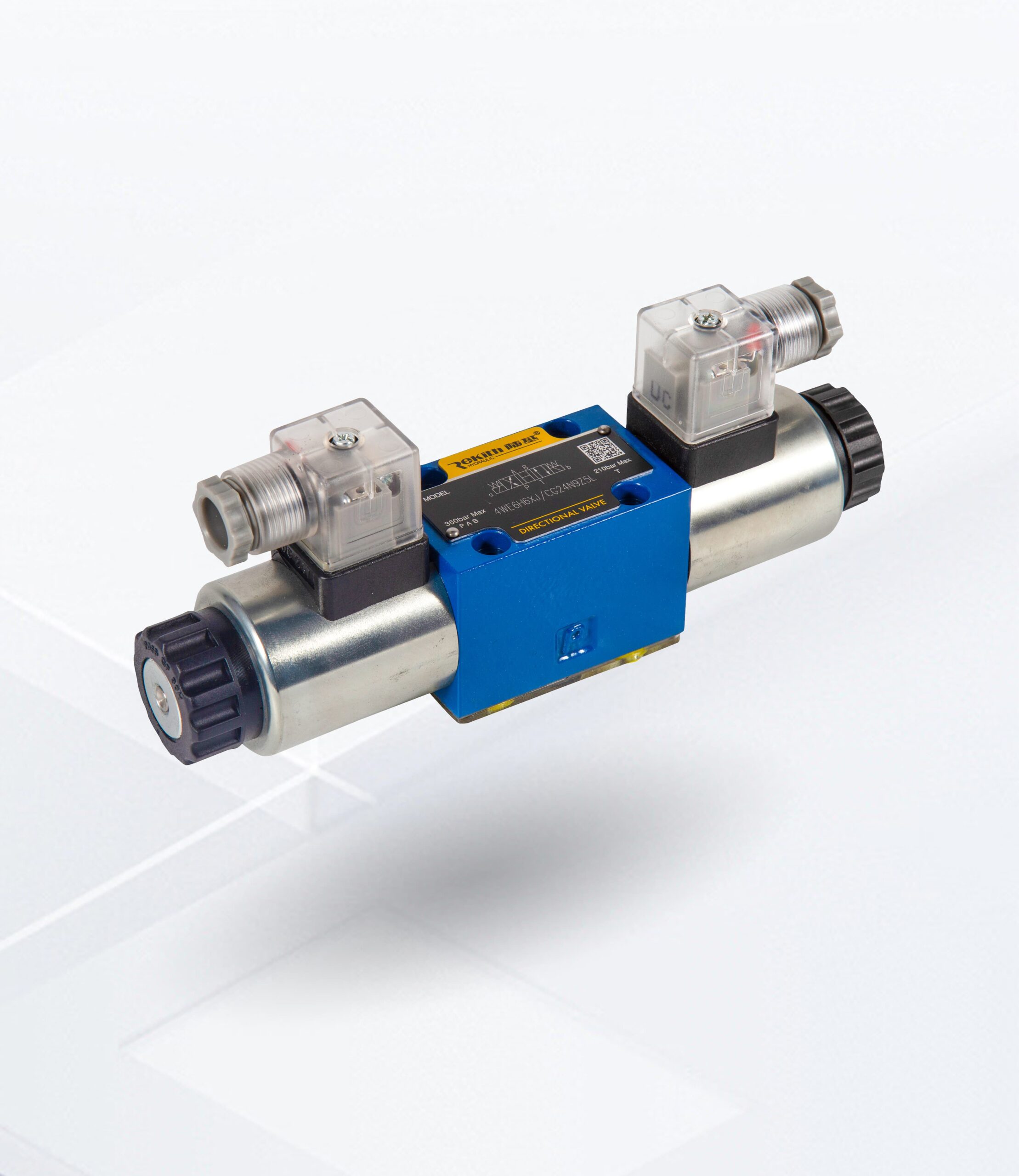
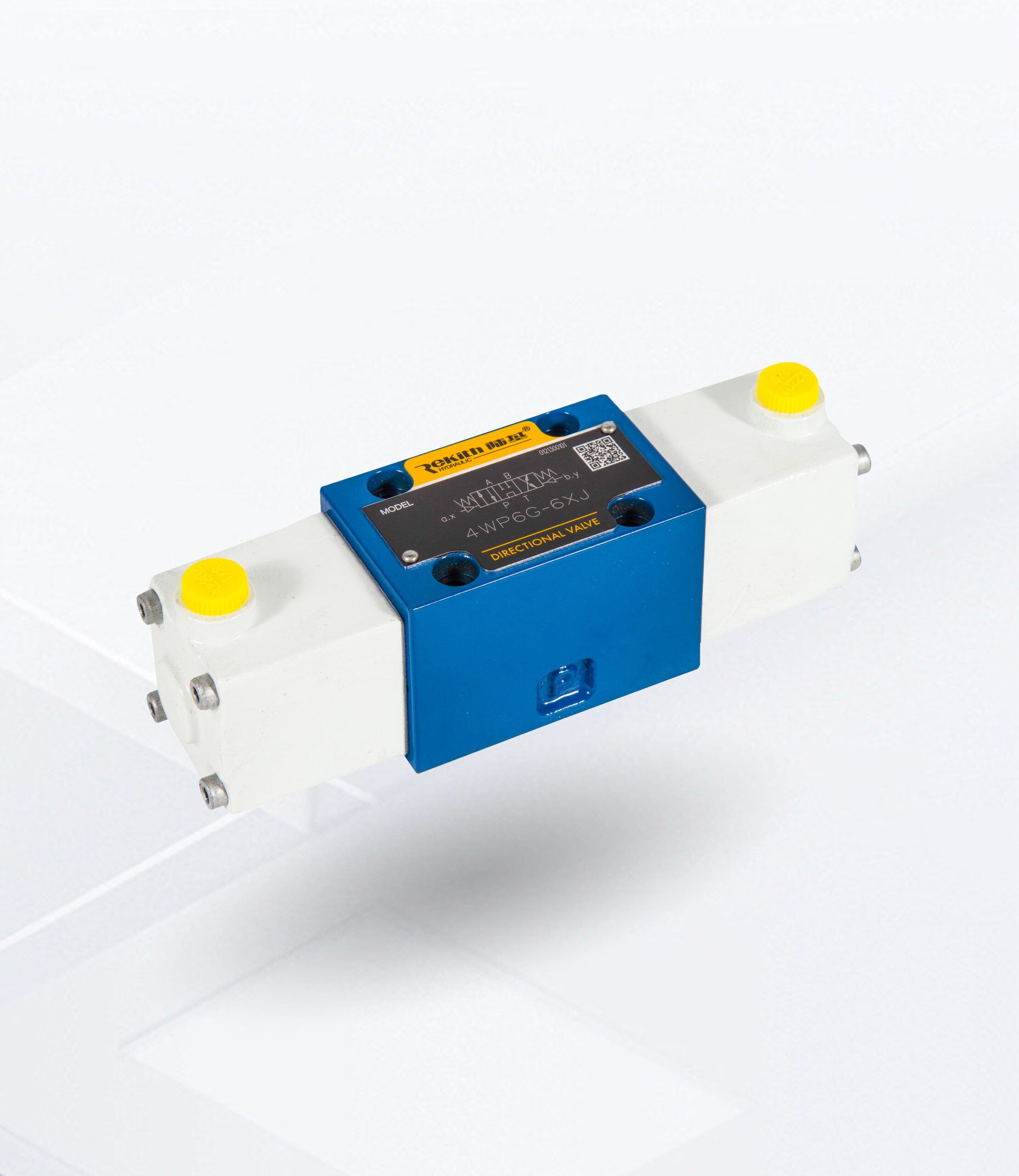
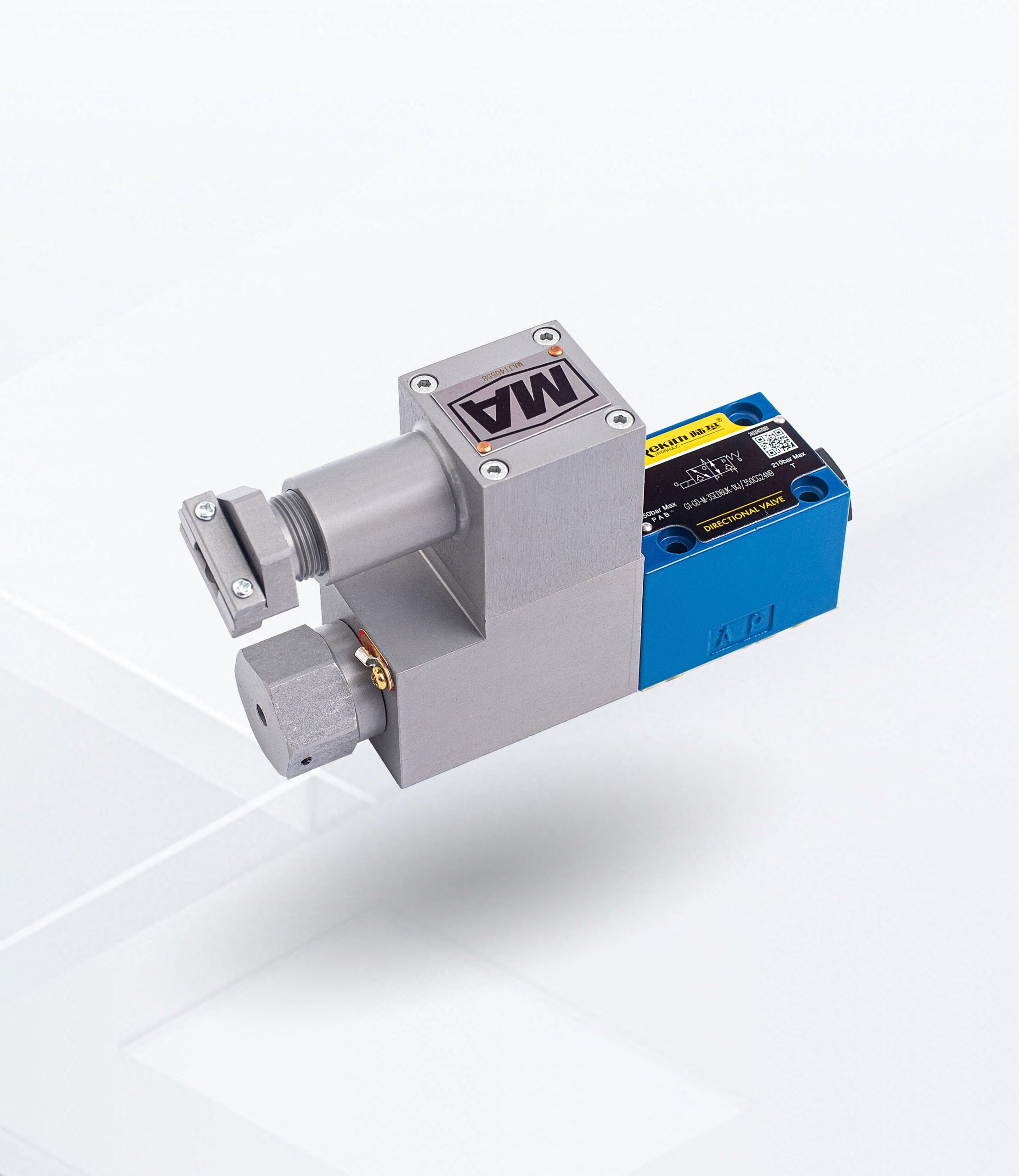
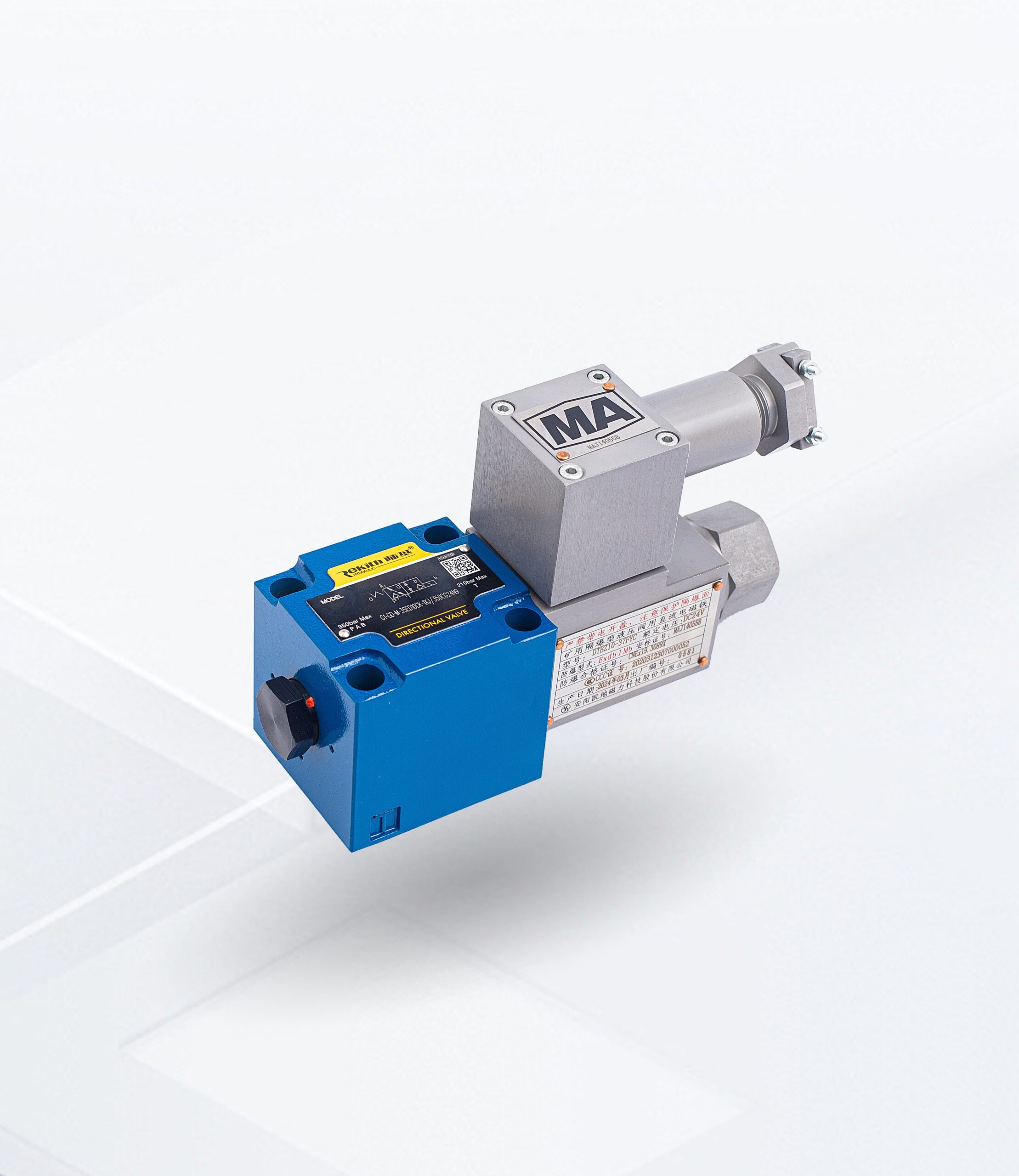
Our cartridge and CETOP valves are designed for cross-reference replacement of major brands—with added benefit: direct engineering support when your circuit needs troubleshooting.
We don’t just ship valves. We engineer control.
FAQ
-
Q: What is the main function of a hydraulic unloading valve?
A: A hydraulic unloading valve diverts pump flow to tank after the set pressure is reached, letting the pump run with minimal load while system pressure is maintained. -
Q: Unloading valve vs relief valve: what’s the difference in real circuits?
A: A relief valve limits maximum pressure for safety, while an unloading valve opens during normal cycles to unload pump flow to tank and reduce heat and power draw. -
Q: Where should the pilot line be connected for an unloading valve?
A: Connect the pilot line to the true downstream pressure you want to control—typically the accumulator side after the check valve or the main system pressure point—avoiding locations with throttling pressure drops. -
Q: Why does my unloading valve chatter near the set pressure?
A: Chatter usually comes from pressure ripple plus insufficient pilot damping, causing rapid switching near the setpoint; air, contamination, or wrong pilot sensing points can worsen it. -
Q: What causes rapid cycling (frequent cut-in/cut-out) in accumulator charging?
A: Rapid cycling is commonly caused by incorrect accumulator pre-charge, too small cut-in/cut-out differential (hysteresis), or leakage through the check valve or system.
Conclusion
If you want lower heat, lower power draw, and longer component life, the unloading strategy is one of the highest ROI upgrades in a hydraulic system.
A correctly implemented hydraulic unloading valve allows your system to maintain pressure when needed—without forcing the pump to work against high pressure during idle.
Need a custom manifold design, circuit review, or cross-reference selection?
👉 Contact Rekith Hydraulics Expert Engineering Team