
Abstract:
The isolation valves have a significant impact on the control of fluids in systems that are associated with oil and gas, water treatment, chemical processing, power generation, and building services. Their primary purpose is to completely halt or allow flow; this enables safe maintenance, system isolation, and emergency shutdowns.
The proper choice and placement of isolation valves has a significant impact on the safety, reliability, and cost of life of a system. This article provides a comprehensive, sector-specific description of the different types of isolation valves. It discusses their principles of operation, performance, benefits, limitations, and typical uses.
Through the combination of pertinent information that is aligned with the highest-ranking resources in the industry, this guide attempts to assist engineers, specifiers, and professionals involved in procurement with making informed decisions about valves.
Introduction: Why Isolation Valves Matter in Industrial Systems
In nearly every system that handles fluids, the capacity to isolate a portion of the piping is essential. Whether the system carries water, steam, oil, gas, chemicals or slurry is irrelevant, the isolation valves serve to stop the flow of these substances when necessary.
From a Google search intent perspective, people who search for different types of isolation valves are typically engineers, EPC contractors, maintenance managers, or industrial buyers who are not looking for a basic understanding of the concept alone. They’re seeking ways to understand each other’s work, have common goals, and choose criteria that fit the real world of operations. This article is intended to fulfill that goal comprehensively.
What Are Isolation Valves?
Isolation valves are mechanical instruments that can start or stop the flow of fluid in a pipeline. Unlike control valves that regulate the flow rate or pressure, isolation valves are typically positioned in a fully open or closed state.
Their primary objectives are:
Isolating supplies and equipment for cleaning or repair.
Avoiding the loss of fluids during repairs.
Increasing the safety of the system.
Allowing partial system shutdowns without interrupting the entire system.
Because isolation valves are frequently utilized during crucial situations, their design, sealing quality, and longevity are of great importance.
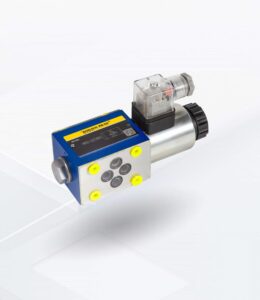
Key Characteristics of Isolation Valves
Isolation valves are intended to start, stop, or isolate the flow of fluid in a pipeline or system. Their primary role is to control on/off instead of regulating flow. Below is a list of the main attributes that distinguish isolation valves and their capabilities.
- Completely disabled capability
Isolation valves have a strong grasp that prevents fluid from flowing freely, which allows for safe maintenance, repair, or system isolation without the potential for leakage.
- Easy-to-use Operation
They’re intended for positions that are completely open or completely shut, not slackened, which helps to reduce wear and increase service life.
- Low Pressure Reduction
When the isolation valves are fully open, their flow resistance is typically minimal, which maintains the efficiency of the system.
- Durable Construction
Typically composed of cast iron, carbon steel, stainless steel, brass, or other materials, isolation valves are designed to withstand high pressure, temperature, and corrosion.
- Wide Media Support
Adept at handling liquids, gases, steam, and slurries, depending on the type of valve and the material’s choice.
- Constant Quality of Sealing
High-quality materials for seals (soft or metal seats) that are resistant to pressure and have a leak-proof performance in the presence of difficult conditions.
- Mechanical or Electric Actuation
Isolation valves are controlled by:
Handwheel or lever
Pneumatic devices
Electric movers
This facilitates easy association with automated systems.
- Easy to Maintain
Simple internal structures reduce the need for maintenance and make it easy to inspect, service, or replace isolation valves.
- Several Different Valve Opener Types
Common varieties of isolation valves include:
Gate valves
Volatile ball valves
Volatile butterflies
Stuffed valves
Each type has different benefits that are specific to the application.
- Extended Service Life
When employed correctly (on/off service), isolation valves have a high degree of reliability and a long lifespan that is operational.
Main Types of Isolation Valves
- Gate Valves
Gate valves are one of the most popularly employed isolation valves in manufacturing pipelines. They function by increasing or decreasing the elevation or slope of a flat or wedge-shaped barrier perpendicular to the flow direction.
When the gate is completely exposed, the pressure loss is minimal, as the stream flows through the gate without it. This causes the gate valves to be ideal for use in applications that require full-bore flow.
Advantages include superior closing performance and low resistance to flow. Limitations include a slow rate of operation and a lack of throttling.
Typical uses include oil and gasoline pipelines, water transportation systems, and high-pressure steam lines.
- Ball Valves
Ball valves employ a spherical closure element that has a bored hole (port) that rotates in order to open or shut off the flow path. A quarter-turn motion is responsible for the rapid movement.
Ball valves are highly praised for their compact design, tightening function, and ease of automation. Full-port ball valves have a low pressure drop, which makes them effective as isolation valves.
They’re commonly employed in chemical processing, the distribution of gases, and mechanical systems for industrial automation.
- Volatile Valves
Volatile butterfly valves have a rotating disk that is mounted on a rod. When the alignment is parallel to the flow, the valve is accessible, but when the rotation is perpendicular to the flow, it prevents the flow.
Today, modern butterfly valves that have a high degree of performance and a triple offset are increasingly popular as isolation valves in large diameter pipelines.
Their compact size and lightweight design have a significant impact on installations that are sensitive to space and weight, such as HVAC systems and water treatment plants.
- Globe Valves ( functioning as an Isolation Valve)
Despite being primarily intended for the regulation of flow, globe valves are occasionally employed as a form of isolation in systems that require both throttling and a shut-off.
The course of the flow path in a globe valve is altered, which leads to a higher pressure decrease than other types of valves, such as a gate or ball. However, the arrangement of seats promotes a seal that is dependable in certain situations.
- Plug Valves
Plug valves have a spherical or sloping plug that moves inside the body of the valve. When the plug’s port is positioned alongside the pipeline, flow is permitted; when the port is stationary, flow is halted.
Plug valves have a special effectiveness in handling oily fluids, slurries, and toxic media. Their simple design and quick response make them ideal for chemical and mining applications that require isolation.
- Diaphragm Vanes
Diaphragm valves utilize a flexible diaphragm that presses against a flap or seat to stop the flow. The mechanism for operation is isolated from the fluid process, which offers superior corrosion resistance.
These valves are popular in the pharmaceutical, food processing, and water treatment industries. These industries have a high degree of hygiene and contamination control.
- Knife Gate Valves
Knife-valves for the gate are intended for difficult media, such as slurry, pulp, and wastewater. The thin gate can traverse solids and fibers during the closing process.
While not ideal for high pressure applications, knife gate valves have a successful record in low-pressure, high-solids environments.
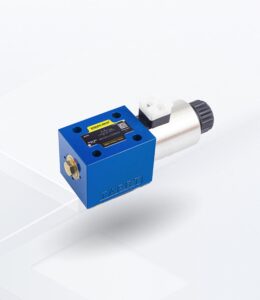
Comparison of Common Isolation Valve Types
| Valve Type | Shut-Off Performance | Pressure Drop | Typical Sizes | Common Applications |
| Gate Valve | Excellent | Very low | Medium to large | Oil & gas, water pipelines |
| Ball Valve | Excellent | Very low | Small to large | Chemical, gas, automation |
| Butterfly Valve | Good to excellent | Low | Large | HVAC, water treatment |
| Globe Valve | Good | High | Small to medium | Steam, control/isolation |
| Plug Valve | Excellent | Low | Small to medium | Slurry, chemical |
| Diaphragm Valve | Excellent | Moderate | Small to medium | Pharma, food, water |
| Knife Gate Valve | Moderate | Low | Large | Slurry, wastewater |
Material Selection for Isolation Valves
- Carbon steel
Best use for: Oil and gas, power generation, industrial pipelines
Advantages:
High tensile strength and resistance to pressure.
Effective for large-diameter outlets
Advantages include its efficiency and effectiveness at moderate to high temperatures.
- Stainless steel (304/316/316L)
Best for use in chemical processing, food and beverage, pharmaceuticals, and marine habitats.
Advantages:
Excellent anti-corrosion and anti-oxidation capabilities
Healthy and simple to maintain
Advantages include its efficiency at high and low temperatures.
- Cast Iron
Best for: Water distribution, HVAC, low pressure systems.
Advantages:
Low price
Good machineability
Adept at handling non-corrosive media
- Ductile Iron
Best for: Waterworks, sewage systems, and municipal utility lines.
Advantages:
More powerful and harder than cast iron
Increased impact resistance
Effective for large openings
- Brass
Best for: Gas distribution, plumbing, and low-pressure uses.
Advantages:
Good anti-corrosion ability
Easy to process
Constant performance that is dependable
- Bronze
Best for use in marine environments, as well as seawater systems.
Advantages:
Superior resistance to water corrosion in seawater
A long lifespan in marine habitats.
- Alloyed Steel
Best for: High-pressure and high-temperature applications
Advantages:
superior mechanical resistance
Advantages in harsh environments
- Plastic (PVC, CPVC, PP, PVDF)
Best use for: Chemicals, water, and media that are corrosion-resistant
Advantages:
Excellent chemical resilience
Lightweight and free of corrosion.
Low management
- Lined Valves (PTFE / Rubber Lined)
Best for: Diligent fluids that have a high degree of corrosion or abrasion.
Advantages:
Exalted chemical resilience
Increased stability and decreased wear
Isolation Valves in Different Industries
- Oil and Gas
Isolation valves are essential to the safety of pipelines, heads, and facilities. Gate and ball valves that are API compliant are the most popular in this industry because of their capacity to withstand high pressure.
- Water and wastewater treatment
Butterfly, gate, and knife gate isolation valves are commonly employed for the purpose of flow isolation in plants and networks.
- Chemical and Engineering Industries
Chemical compatibility, water-resisting ability, and automation are all significant factors. Ball, flap, and diaphragm isolation valves are commonplace.
- Generation of Power
High temperatures and high pressure are typically achieved with isolation valves that are built from alloy steel and designed to follow the ASME standards.
How to Choose the Right Isolation Valve?
- Describe the objective of isolation
Start with understanding the purpose of the valve:
All-out emergency shut-off
Device maintenance
Sectionally isolated pipelines
Isolation valves are intended for standstill, not flow control.
- Describe the procedure’s media components
Different fluids have different requirements regarding valve design and materials:
Water/air – cast iron, malleable iron, brass
Oil/ gas – carbon steel, alloy steel
Corrosive chemicals – stainless steel, PTFE-covered valves
Slurries are designed with materials that resist abrasion in mind.
- Think about the Pressure and Temperature Scale
Ensure the valve is capable of reaching or exceeding the specifications.
The maximum pressure that can be operated at is
The maximum and minimum temperatures that can be used.
Constantly check the pressure class (PN / Class) and the material’s limits.
- Select the appropriate type of valve
Common varieties of isolation valves include:
Ball valves – quick release, compact design, low pressure loss
Gate valves – great for allowing all open/closed in large pipelines.
Butterfly valves – compact, efficient for large diameters.
Plug valves – versatile and difficult to stop
Select based on the space, frequency of operation, and the necessity of seals.
- Select the Right Substance
Combine the body of the match and the sealant into one piece.
Carbon steel for toughness
Stainless steel to withstand corrosion
Ductile iron for water-related applications
Soft or solid seats that are dependent on the temperature and degree of sealability required.
- Select an Action Method
Select the method by which the valve will be operated:
Manual (handwheel or lever)
Pneumatic actuator
Electric motor
Automation is beneficial for operations that are remote or frequent.
- Check the installation and space limitations
Consider:
available space for installation
The weight of the valve and the direction in which it is located.
Connection type (flanged, threaded, and welded)
- Reviewing Standards and Certifications
Ensure the production of quality products that meet industry requirements:
API, ANSI, ISO, DIN
Fire-safe or fugitive emission requirements, if applicable
- Review the Maintenance and Lifecycle expenses
A more effective valve typically has:
Increased service life
Lower costs of operation
Lower downtime
Discuss the entire cost of ownership, not just the initial cost.
FAQ: Isolation Valves
Q1: What is the primary purpose of these isolation valves?
Isolation valves serve to completely block or allow the flow of fluid, enabling safe maintenance, system isolation, and emergency stops.
Q2: Are the isolation valves the same as the shut-off valves?
Yes, isolation valves are often called shut-off valves, although the term “isolation valve” is more commonly applied to industrial situations.
Q3: Which isolation valve has the greatest degree of closing?
Ball valves and gate valves are typically the most effective when it comes to closing off a system properly and with a sufficient degree of care.
Q4: Can butterfly-style valves serve as valves for isolation?
Yes, especially high-performance and triple-offset butterfly valves that have a proven record of effectiveness in many applications.
Q5:How do I differentiate between the isolation valves of a gate and a ball?
Gate valves are more common for larger pipelines and infrequent use, while ball valves are more beneficial for quick operations and automation.
Conclusion
Understanding the different types of isolation valves is crucial to creating safe, efficient, and dependable fluid systems. Each type of valve has its own advantages and limitations, and application-specific selection is therefore important. By combining technical specifications with valve design, materials, and standards compliance, engineers and consumers can ensure the greatest possible efficiency and long-lasting reliability of a system.