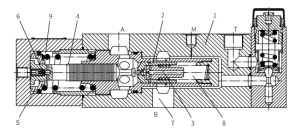
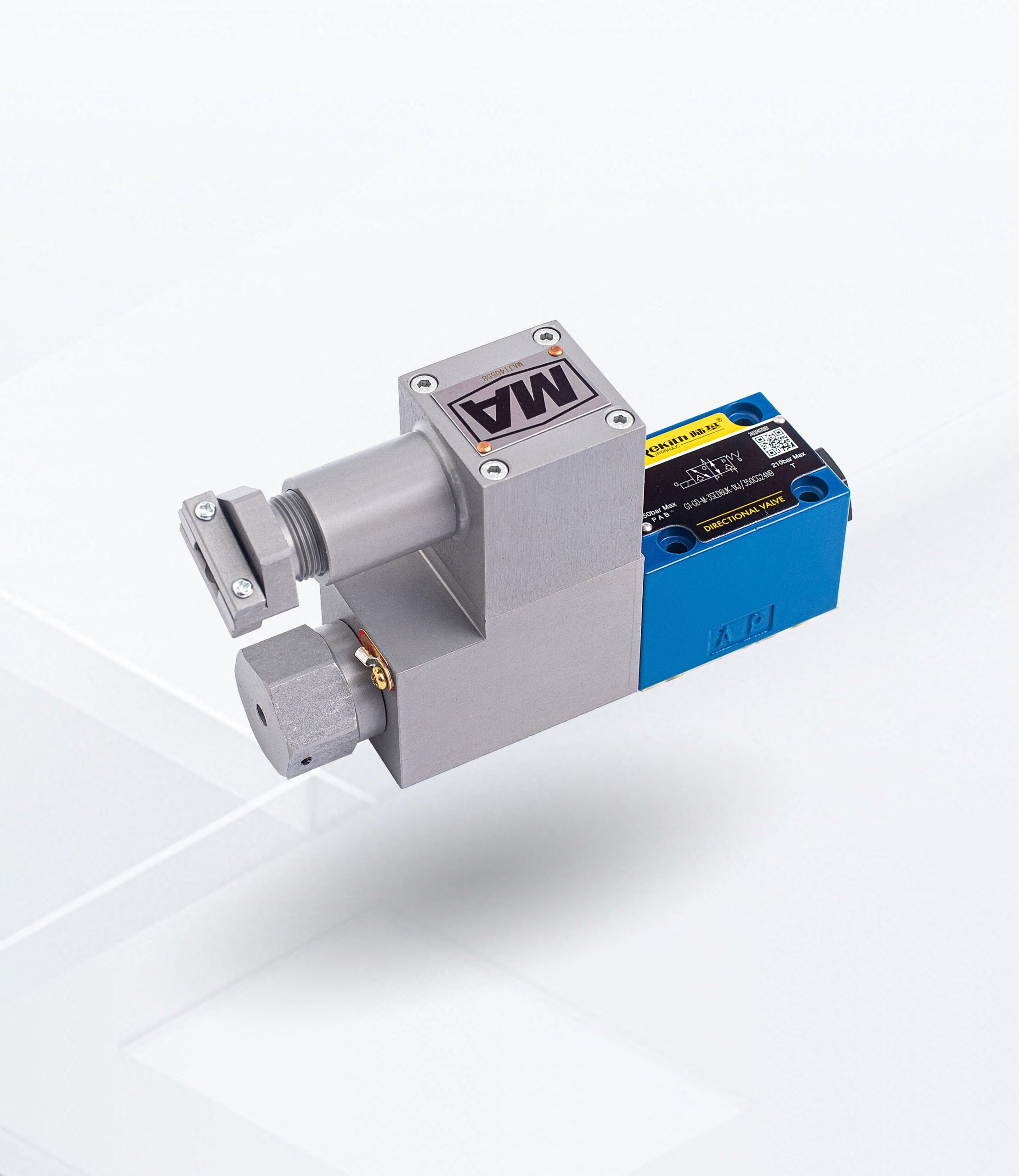
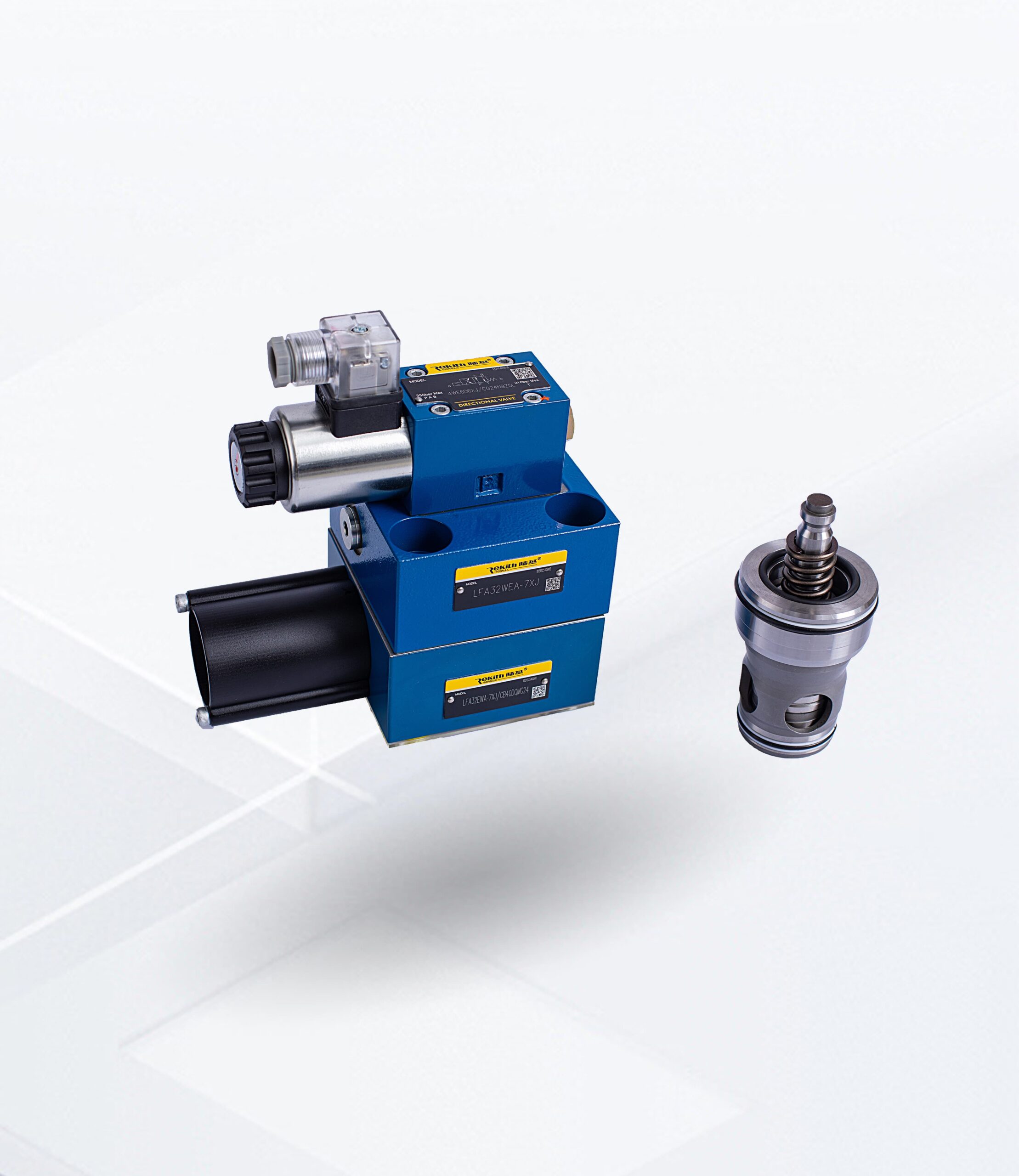
A balanced valve is designed to ensure steady, controllable, and energy-efficient fluid management by reducing the sensitivity of the valve to pressure variations. Structurally, a counterforce mechanism against differential forces on its sealing element allows dramatic adjustments in upstream or downstream pressures while maintaining accurate flow control settings. The pipeline networks and auxiliary equipment circuits where an HVAC system operates, chemicals dosing platforms into mechanical devices with consistent low-torque high-reliability requirements have developed this as a core component within modern industry infrastructure, balanced valves technology explained here through detailed engineering principles, performance feature application insight analysis forming both professional end user authoritative SEO friendly content resource site internet search engine.
Understanding the Functional Principle of a Balanced Valve
The essence of a balanced valve lies in its ability to offset the pressure acting on the closing element. This creates a more predictable and stable operating condition, enabling the valve to require lower torque and respond more accurately to control signals.

How Pressure Compensation Enhances Valve Behavior
In a normal valve, the internal fluid pressure acts only on one side of the plug or disc. As the pressure increases, the force resisting opening or closing also increases. A balanced type has an intentionally designed element-such as counter flow passages, a double seat arrangement, or some engineered cavity-to cancel out these forces. The plug usually has pressure equalizing holes or is of a double seated geometry that allows pressure to both sides of the plug, thereby reducing unbalanced forces. This type of low friction assures smooth movement and constant excellent modulation performance irrespective of upstream and downstream variations.
Predictability in High-Pressure Systems
Pressure environments include steam distribution lines, industrial cooling water loops, and chemical process reactors. All these applications need valves with guaranteed actuation. A balanced valve maintains a constant torque requirement, which keeps the actuator smaller, reduces energy consumption, and increases the life of the equipment. In an application where the system is constantly being cycled or needs to be finely regulated for safety as well as efficiency, this predictability becomes extremely important.
Structural Engineering and Design Logic Behind Balanced Valves
A balanced valve’s performance is closely tied to its internal engineering. The internal flow path geometry, the arrangement of sealing interfaces, and the materials chosen for the balancing components all influence its ability to deliver long-term stability.
The Balancing Plug: Heart of the Technology
The plug element carries the core balancing function. Designers incorporate axial holes, radial ducts, or paired sealing faces that allow pressure to act on both sides of the plug. This reduces the net pressure force acting in one direction, allowing the plug to move with minimal resistance. For high-temperature/high-pressure service, the plug is often constructed from heat-resistant alloys with precision-machined surfaces and protective coatings applied for use where aggressive flow conditions exist.
Dual-Seat Geometry and Force Distribution
Balanced valves frequently use dual seating arrangements. The upper and lower seats create equal or symmetrical pressure forces. This reduces wear distribution, minimizes seat deformation, and maintains circular sealing integrity over long operating cycles. Engineers optimize the seat angles, contact surface curvature, and seat material hardness to achieve a stable balance between sealing efficiency and friction reduction.
Flow Path Optimization for Stability
Flow dynamics play a key role in the operation of a balanced valve. Laminar flow, transitional or slightly turbulent flow is maintained within smooth surface paths, by symmetrical and identical routes through both sides of the valve. This results in low vibration characteristics together with cavitation-free and low noise operation features found typically within HVAC installations where such valves are used to provide stable modulation control without pressure noise or unstable oscillations.
Material Selection and Manufacturing Requirements
Because balanced valves are used in demanding environments, engineering materials must withstand mechanical stress, thermal expansion, corrosion, and wear.
Metals for Pressure-Intensive Systems
Stainless steel, forged steel, bronze, and high alloy materials dominate the field of balanced valves. Stainless steels provide the corrosion resistance necessary for chilled water, brine, and chemical process applications. Forged steel is preferred in steam, high-pressure gas, or thermal oil systems because of its structural density and impact resistance. Where the service justifies life to be long against corrosive chemicals, then duplex and super duplex alloys may be selected.
Advanced Sealing Materials for Reliability
Seats and seals are most of the time made from PTFE, reinforced fluoropolymers, EPDM, or high-temperature graphite composites. All these materials belong to a class that maintains its properties under mechanical stress in service conditions involving temperatures and contact with fluids. However, the correct sealing material is critical for the constant balancing behavior since seal deformation changes the pressure-equalizing mechanism.
Precision Manufacturing and Tolerances
The balancing mechanism requires extremely tight machining tolerances. Plug surfaces, pressure equalization ducts, and seats must be finely precision-machined to permit smooth movement as well as symmetrical force distribution across the area of contact. CNC machining, surface grinding, plus high precision polishing are what make this valve suitable for long-term balancing performance.
Performance Characteristics That Define a Balanced Valve
Balanced valves are known for distinct performance attributes that set them apart from more conventional valve types.
Lower Actuation Torque and Energy Efficiency
A balanced valve removes all the forces except that very small force which is required to seat the plug against the seat or to open it. Therefore, a small actuator can be used. Actuators consume less electric power or pneumatic energy. In applications where valves are frequently operated-hundreds or thousands of times per day-this seemingly small benefit becomes extremely important as it has an effect on maintenance cost over time and the life of the equipment.
Enhanced Modulation and Control Accuracy
Balanced valves have an excellent feature for modulating controls. Since the plug moves with little opposition, more exact positioning can be achieved within the actuator itself. This enhances proportional control and precise flow balancing while reducing hysteresis to ensure a stable temperature or pressure regulation of HVAC control loops that eventually translates into stability in energy savings.
Consistent Sealing Under Pressure Variation
Despite the pressure-balancing mechanism, these valves exhibit strong sealing characteristics. The double-seated or pressure-balanced plug construction does not compromise the integrity of sealing. It actually reduces deformation and maintains a constant seat load, which results in dependable shut off under a wide range of operating conditions.
Application Fields for Balanced Valves Across Industries
Balanced valves serve mission-critical roles in fluid control systems across numerous sectors due to their reliability and precision.
HVAC and Building Mechanical Systems
In a building management system, the chilled water, condenser water, heating water, or glycol mixtures all flow through and are controlled by balancing valves to maintain comfort, increase system efficiency reduce energy consumption. Therefore, explaining their consistent behavior under varying demand conditions makes them such core elements in modern HVAC architectures.
Steam and High-Pressure Thermal Systems
Valves should be installed that can support thermal expansion, quick cycling, and high pressure in the industrial steam lines. A balanced valve keeps constant torque requirements through all these variations, ideal for applications where it controls modulated steam flow heat exchanger and a safety control on a pressure vessel.
Chemical and Process Engineering
The chemical manufacturers rely on the balanced valves to regulate a reactive, corrosive, or volatile fluid. Their precise flow control supports dosing and pressure regulation and blending, and transfer operations. The material flexibility in the construction of these balanced valves permits customization for acids and bases and solvents, and specialty chemicals.
Water and Wastewater Infrastructure
Balanced valves are used by municipal and industrial water treatment facilities in controlling pressure zones, regulating the filtration process, as well as stabilizing distribution networks. Therefore, balanced valve stability ensures that there is no pressure fluctuation, which could result in an unstable system, hence reliability. This increases the lifespan of equipment and enables better control over the quality of water.
Compressed Gas and Industrial Air Systems
Gas handling systems benefit from pressure-compensated valves due to their sensitivity to pressure drops and flow variability. Balanced valves provide consistent operation for nitrogen, compressed air, oxygen, and inert gases used in manufacturing or laboratory settings.
Installation Guidelines and System Compatibility
Proper installation enhances the balancing mechanism and ensures long operational life.
Orientation and Pipeline Design
Balanced valves can generally be installed in horizontal or vertical pipelines, although flow direction must follow manufacturer recommendations to maintain proper pressure compensation. Adequate pipe supports, vibration isolation, and downstream clearance contribute to stable valve performance.
Actuator Compatibility and Calibration
Choosing an appropriately sized actuator is essential. Because balanced valves require less torque, system designers can use smaller actuators, reducing cost and electrical load. Calibration ensures that valve travel corresponds to actual flow requirements, especially in modulating applications.
Maintenance Practices for Longevity
There are seal, seat, and plug surface inspections carried out to maintain the performance of balancing in balanced valves. Cleaning pressure equalization ducts and lubricating moving parts regularly contribute to smooth operation, which can be characterized as buildup in an industrial environment where scheduled maintenance does not allow any kind of accumulation that would eventually disturb the balancing mechanism.
Comparing Balanced Valves With Unbalanced Valves
Understanding the differences helps system designers select the appropriate valve type.
Performance Under Variable Pressure
Unbalanced valves experience fluctuating torque requirements and may require stronger actuators. Balanced valves maintain more consistent behavior, supporting precise modulation under fluctuating loads.
Operational Cost Differences
Because balanced valves reduce actuator size and energy consumption, they offer long-term cost benefits. This is particularly significant in large buildings, industrial plants, and systems with high cycling frequency.
Sealing and Reliability Considerations
Both valve types can offer secure sealing, but balanced valves experience less mechanical stress, reducing wear and extending service intervals. Unbalanced valves are typically used in simpler systems where pressure variation is minimal.
Market Development and Evolving Industry Trends
The market of balanced valves develops as manufacturers integrate advanced materials and improved sealing technology with optimized flow path engineering to address the new and modern requirements for more efficient and reliable fluid control solutions in systems across various industries.
Automation drives innovation. A new generation control system includes integrated sensors, smart actuators, and analytics for predictive maintenance, among which balanced valves play a central role as sustainability goals push facilities to reduce energy consumption, because of their inherent torque efficiency.
Conclusion: The Enduring Value of Balanced Valve Technology
Balanced valves provide the perfect blend of accuracy, stability, long life, and energy efficiency. The pressure compensation feature enables better control accuracy with less mechanical stress-and means it works consistently even in demanding fluid systems. Be it HVAC infrastructure or chemical process pipelines, steam lines, or water treatment, a balanced valve is key to effective yet dependable flow regulation. As industry upgrades and optimizes operations, one of the components without which system stability (balanced) can be achieved but not maintained over time is this very same component: Balanced Valve!