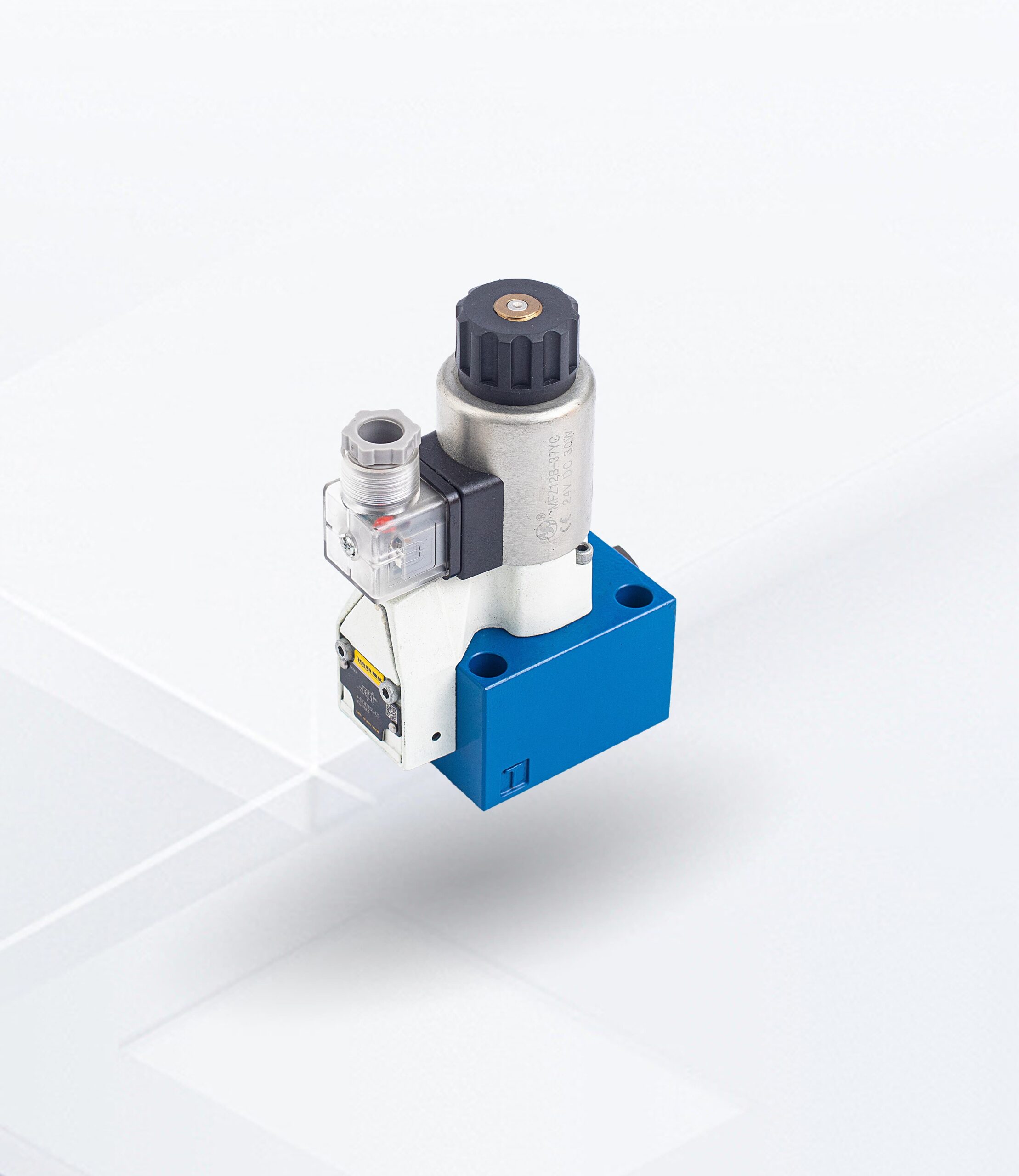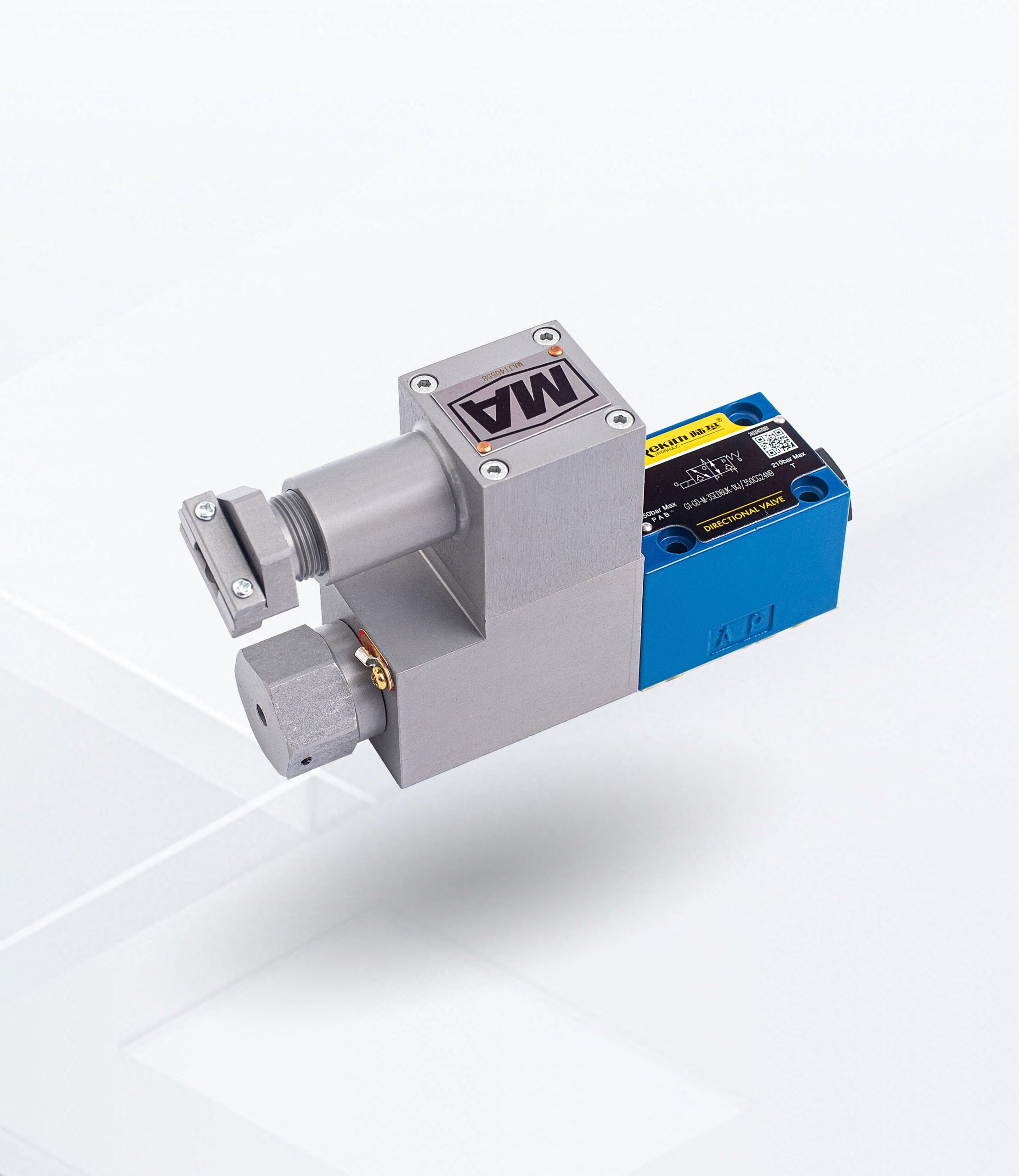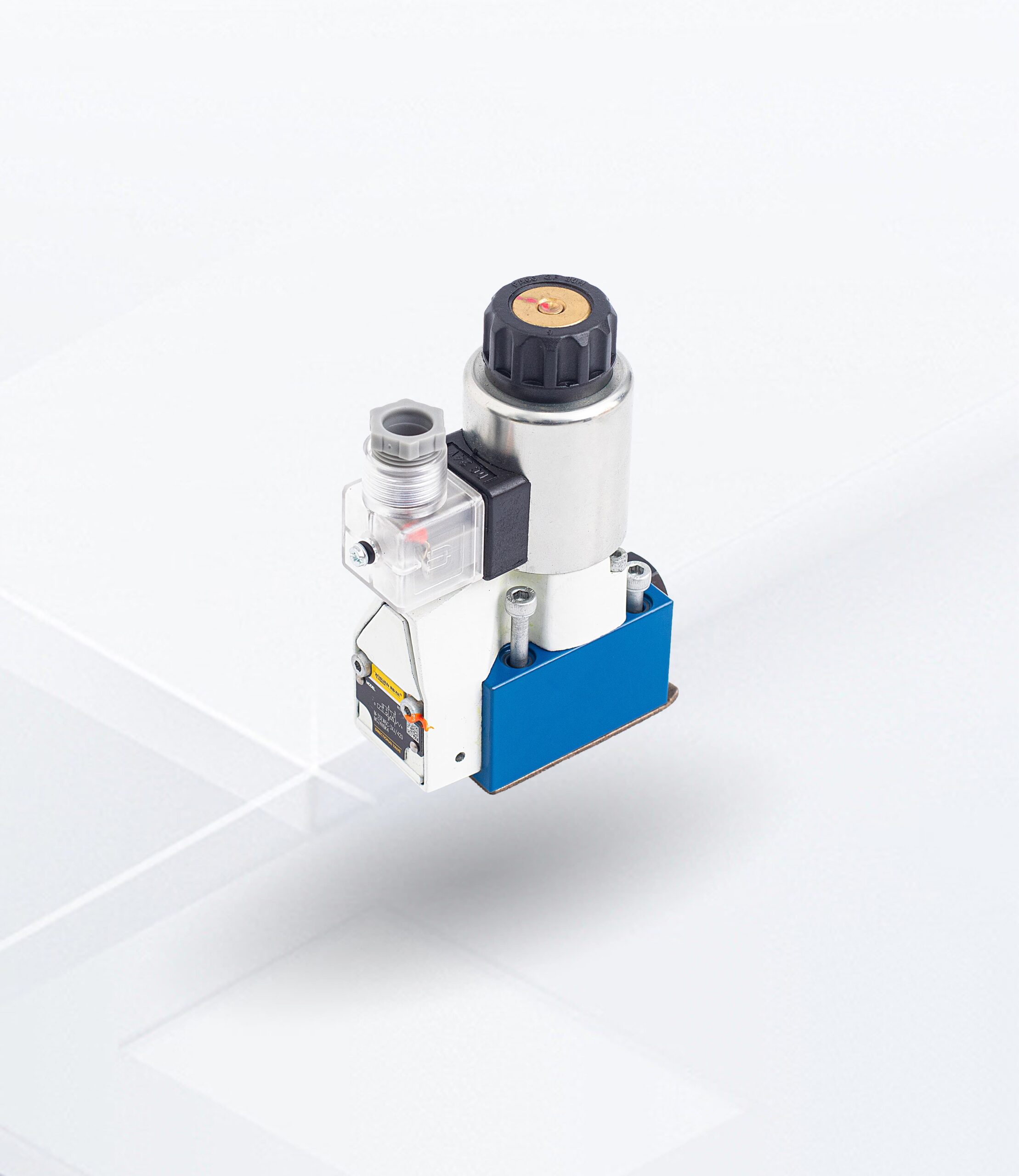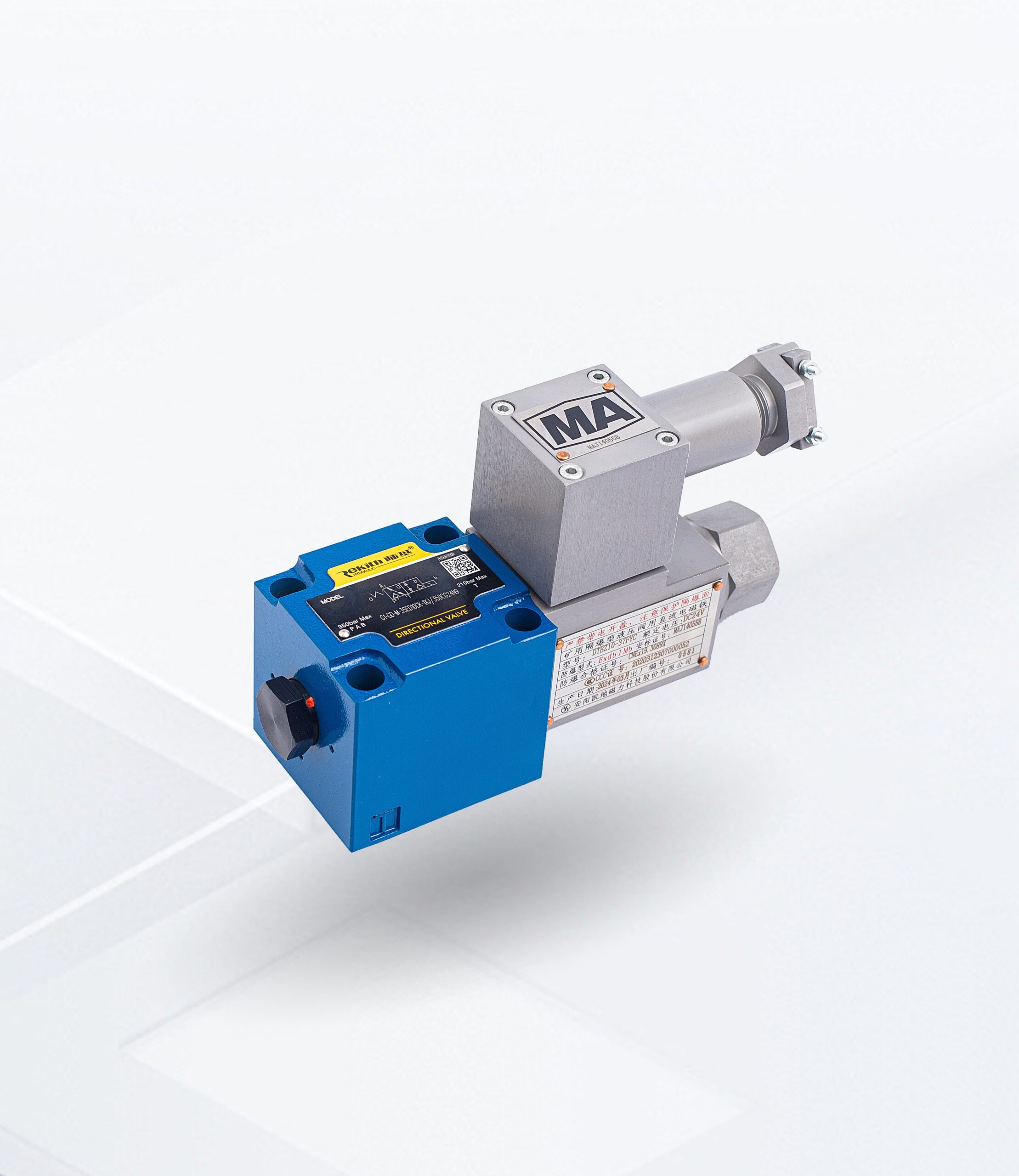

Throttle valves are essential components in various industries, offering precise and reliable flow control. This guide explains their functions, types, applications, and key factors to consider when selecting the right valve for your needs.
Understanding Throttle Valves
A throttle valve, also known as a flow control valve, regulates fluid movement within a system. It is widely used in pipelines and hydraulic circuits to ensure smooth and controlled operation.
How Throttle Valves Work
Throttle valves function through a simple yet effective mechanism:
- Positioning Mechanism: A circular disc or plate rotates within the valve body, controlled by an actuator (lever, servo motor, or solenoid).
- Flow Regulation: When closed, the disc blocks fluid flow; when opened, it allows controlled passage.
- Precision Control: Adjusting the valve position regulates fluid flow to meet system requirements.
Types of Throttle Valves by Material and Structure
Throttle valves vary based on material and application needs:
- Metal Throttle Valves: Stainless steel, brass, or aluminum options for high-pressure, high-temperature environments.
- Plastic Throttle Valves: PVC, CPVC, or PTFE options offer cost-effective corrosion resistance.
Key Applications Across Industries
Throttle valves are integral to many sectors:
- Automotive: Controls engine airflow for optimal fuel efficiency and power output.
- HVAC Systems: Regulates air and refrigerant flow for climate control.
- Industrial Manufacturing: Manages fluid and gas distribution in factories and refineries.
- Water Treatment: Controls water pressure and distribution in municipal systems.
Selecting the Right Throttle Valve
When choosing a throttle valve, keep these factors in mind:
- Compatibility: Match the valve to your system’s size, pressure, and fluid type.
- Quality & Reliability: Opt for industry-certified, durable valves.
- Material Durability: Select corrosion-resistant materials for long-term performance.
- Safety Features: Ensure built-in mechanisms prevent system failures.
Comparing Common Throttle Valve Types
Each type of throttle valve offers unique advantages:
- Ball Valve: Best for quick on-off control with minimal flow resistance.
- Butterfly Valve: Lightweight and space-saving, ideal for large pipes.
- Gate Valve: Withstands high pressure while ensuring minimal disturbance.
- Globe Valve: Provides precise flow regulation with high-pressure adaptability.
Balancing Cost, Performance, and Efficiency
Choosing the right throttle valve impacts both functionality and budget:
- Lower maintenance costs with durable valve designs.
- Longer system lifespan with properly selected materials.
- Reduced downtime by preventing failures and inefficiencies.
Ball and butterfly valves are popular for their cost-effective design and low maintenance.
Final Thoughts
Throttle valves are crucial for efficient fluid control in various industries. Understanding different valve types, applications, and selection criteria helps ensure optimal performance, cost savings, and system longevity. By choosing the right throttle valve, businesses can improve operational efficiency and reliability.