
Introduction
Brake proportioning valves are crucial components of vehicle braking systems, responsible for ensuring balanced brake force distribution and optimal performance. Over time, these valves may require resetting or become stuck, leading to issues with braking efficiency and safety. In this extensive guide, we will delve into the intricacies of brake proportioning valves, exploring how to reset them and address any sticking issues that may arise, ensuring the continued reliability and functionality of your vehicle’s braking system.
Understanding Brake Proportioning Valves
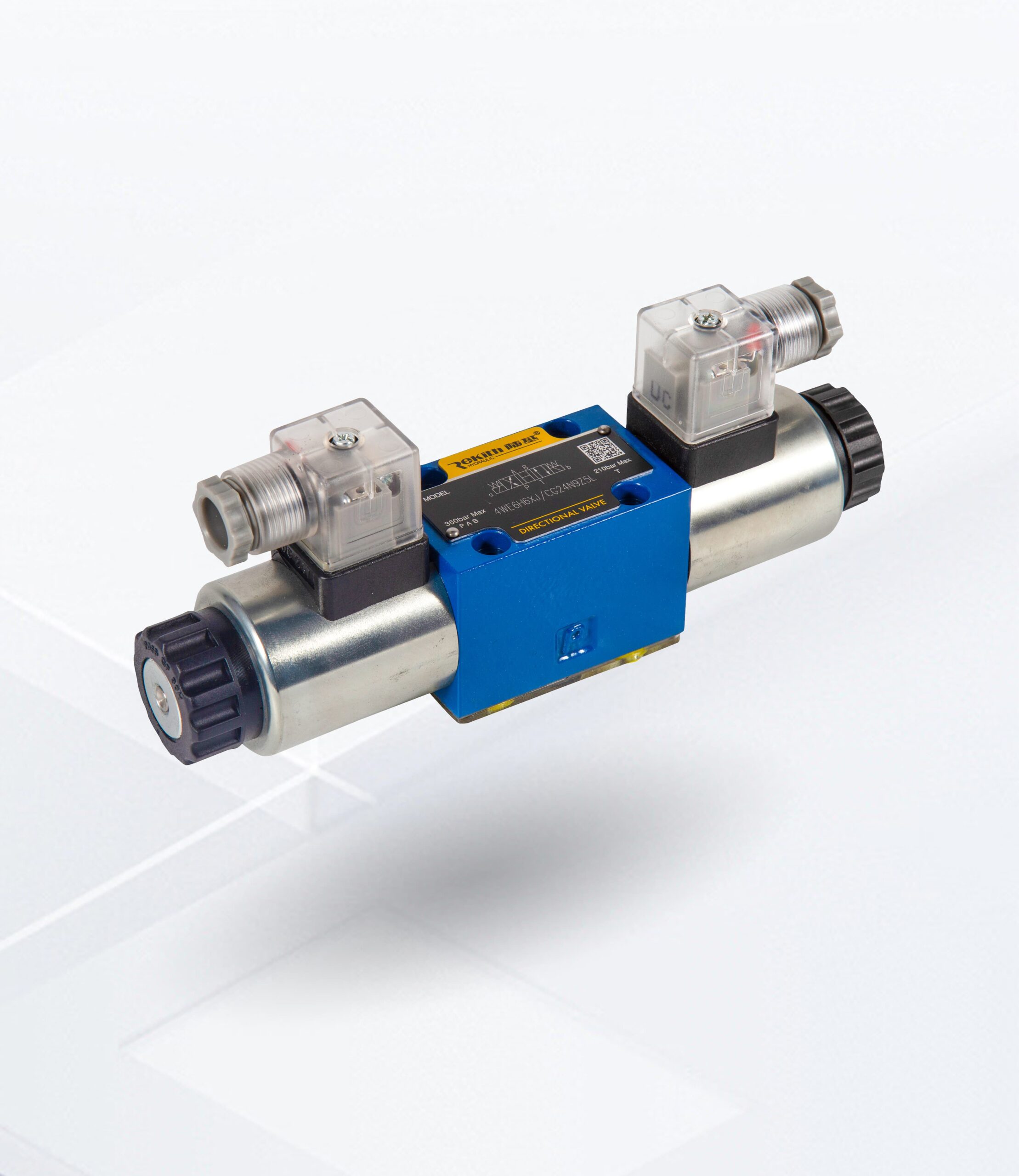
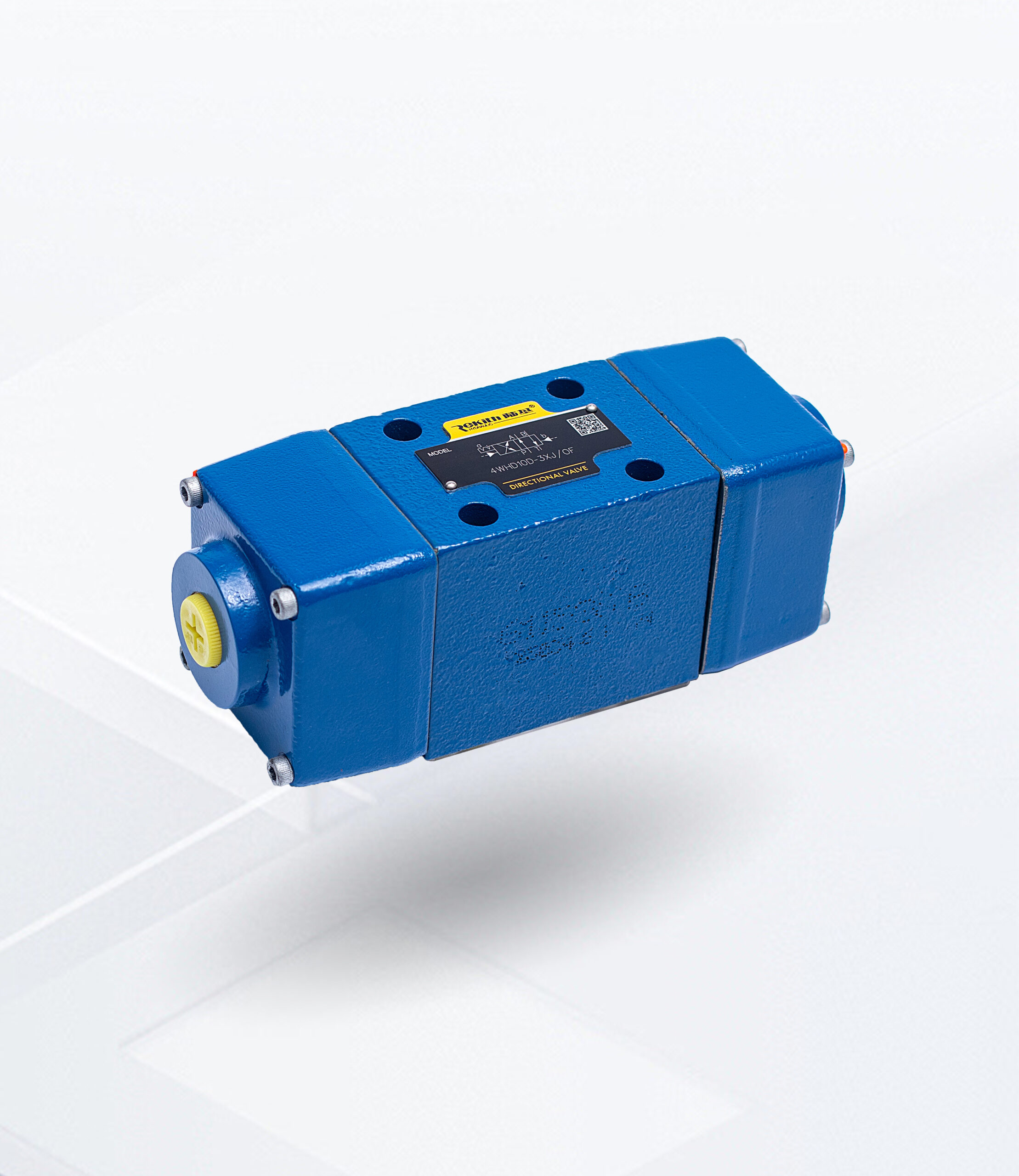
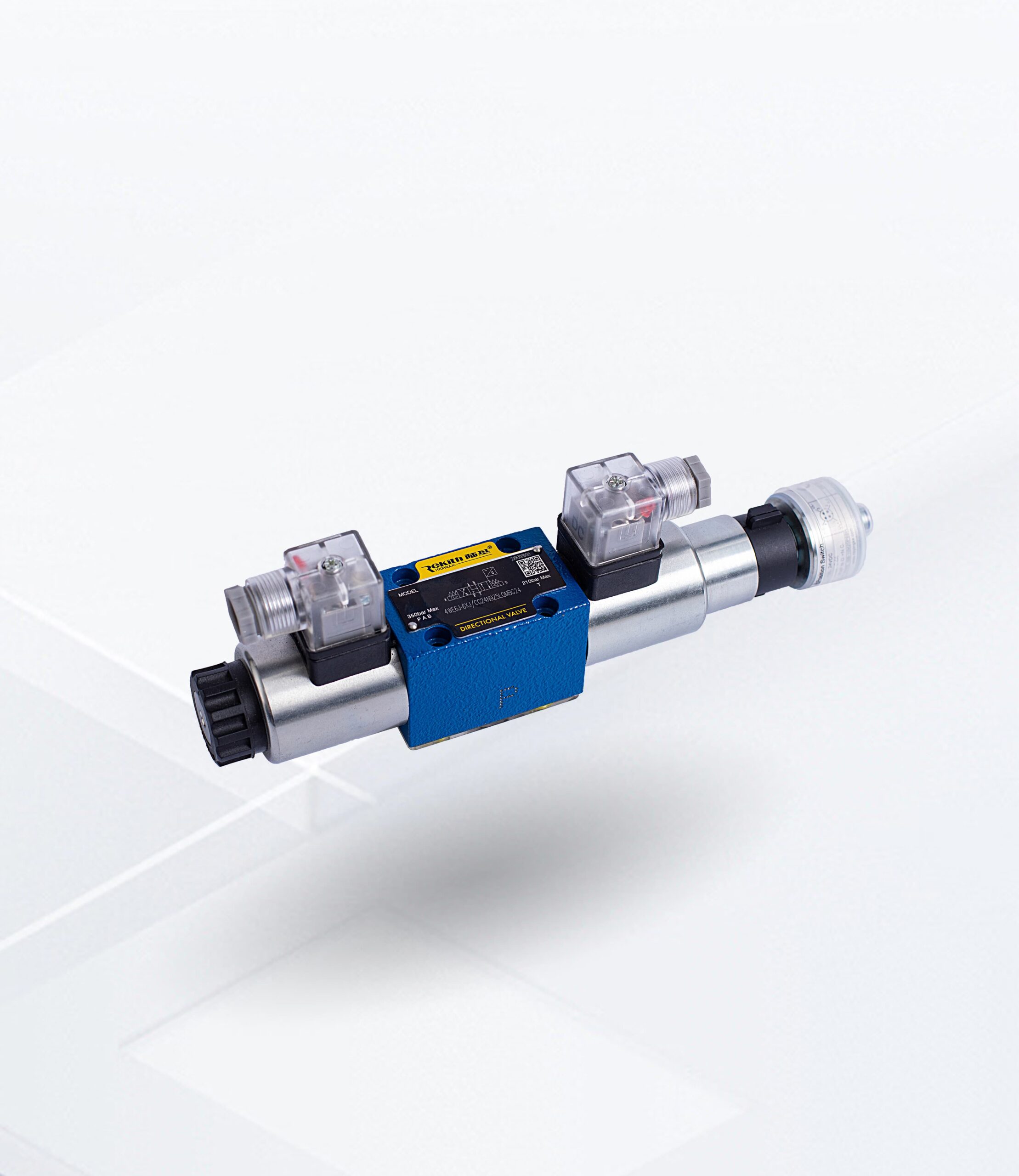
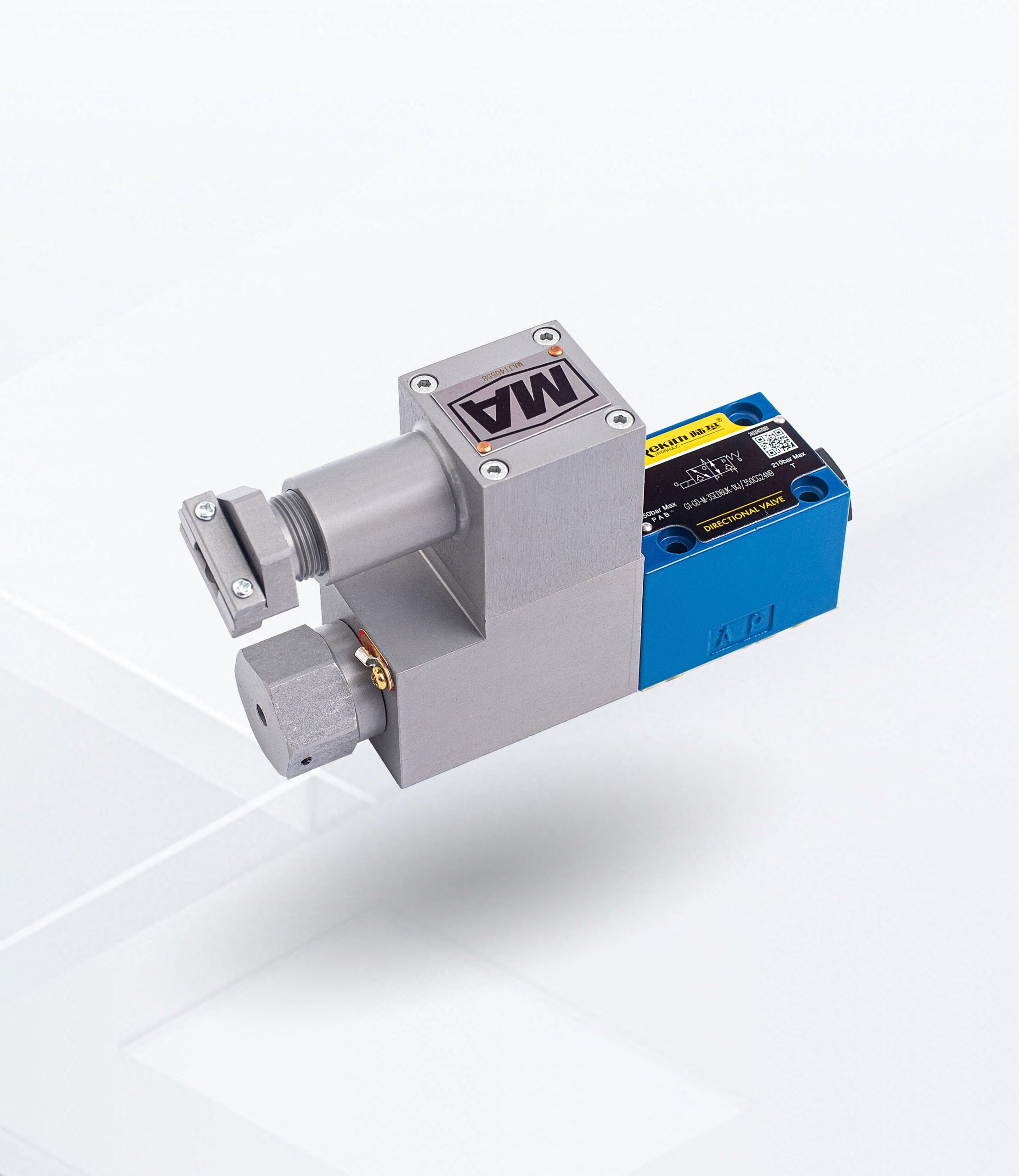
Brake proportioning valves are fundamental components within the braking system of vehicles, playing a crucial role in optimizing braking performance and ensuring vehicle safety. To comprehend the significance of these valves and their intricate functions, let’s delve deeper into their operation and importance:
- Functionality
At the core of their operation, brake proportioning valves are tasked with balancing the distribution of braking force between the front and rear axles of a vehicle. This balance is essential to prevent premature rear wheel lock-up during braking, particularly in scenarios where the vehicle’s weight distribution shifts, such as during hard braking or when carrying heavy loads.
- Hydraulic Control
Brake proportioning valves achieve their function through hydraulic control mechanisms. They regulate the pressure of brake fluid flowing to the rear brakes relative to the pressure supplied to the front brakes. By adjusting this pressure ratio, the proportioning valve ensures that both sets of brakes operate effectively, maximizing stopping power while minimizing the risk of wheel lock-up.
- Load Sensing
Modern brake proportioning valves often incorporate load sensing mechanisms to adapt brake force distribution dynamically. These mechanisms gauge the vehicle’s weight distribution, adjusting the proportion of braking force sent to the rear brakes accordingly. For instance, when the vehicle is lightly loaded, less braking force is directed to the rear wheels to prevent them from locking up prematurely.
- Importance in Vehicle Dynamics
Balanced brake force distribution facilitated by proportioning valves is crucial for maintaining vehicle stability and control, particularly during emergency braking maneuvers. Uneven brake force distribution can lead to instability, causing the vehicle to veer off course or lose traction, compromising driver control and safety.
- Compliance and Safety
Brake proportioning valves are integral components for ensuring vehicle compliance with safety regulations and standards. Automakers design braking systems with proportioning valves to meet stringent safety requirements, enhancing vehicle stability and minimizing the risk of accidents caused by brake imbalance.
- Integration with ABS
In vehicles equipped with anti-lock braking systems (ABS), brake proportioning valves work in tandem with ABS sensors and control units to further optimize braking performance. ABS systems monitor wheel speed and adjust brake pressure independently at each wheel to prevent wheel lock-up, complementing the role of proportioning valves in maintaining balanced brake force distribution.
- Maintenance and Inspection:
Given their critical role in vehicle safety and performance, regular inspection and maintenance of brake proportioning valves are essential. Routine checks for leaks, corrosion, or malfunctions ensure that the valve functions optimally, preserving braking effectiveness and driver safety.
How to Reset a Brake Proportioning Valve
Resetting a brake proportioning valve is necessary when adjustments are required to restore proper brake balance and performance. Follow these step-by-step instructions to reset a brake proportioning valve effectively:
Identify the Location of the Proportioning Valve: The proportioning valve is typically located near the master cylinder or on the vehicle’s frame.
Depressurize the Brake System: To avoid injury and ensure safety, release pressure from the brake system by disconnecting the brake lines or loosening the bleeder screws.
Access the Adjustment Mechanism: Locate the adjustment mechanism on the proportioning valve, which may be a screw or knob.
Adjust the Valve to the Desired Setting: Use a suitable tool to turn the adjustment mechanism clockwise or counterclockwise to achieve the desired brake balance.
Re-pressurize the Brake System: Once the adjustment is complete, reconnect the brake lines or tighten the bleeder screws to restore pressure to the brake system.
Following these steps will help ensure that your brake proportioning valve is properly reset, restoring optimal brake balance and performance to your vehicle.
How to Unstick a Brake Proportioning Valve
Stuck brake proportioning valves can impede brake fluid flow and cause uneven brake force distribution, compromising braking performance. Here’s how to address a stuck brake proportioning valve:
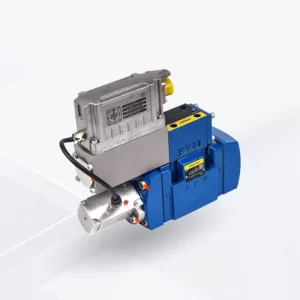
Locate the Stuck Valve: Identify the proportioning valve causing the issue, usually near the master cylinder or on the vehicle’s frame.
Apply Penetrating Oil or Lubricant: Use a suitable penetrating oil or lubricant to loosen any corrosion or debris that may be causing the valve to stick.
Exercise the Valve: Apply and release pressure to the brake system multiple times while simultaneously manipulating the valve’s adjustment mechanism. This action helps dislodge any stuck components and restore proper valve function.
Test the Brake System: After unsticking the valve, test the brake system to ensure that brake force is evenly distributed and that braking performance is restored.
By following these steps, you can effectively address a stuck brake proportioning valve and restore optimal braking performance to your vehicle.
Troubleshooting and Maintenance Tips
While resetting and unsticking brake proportioning valves can resolve many issues, it’s essential to be aware of common signs of malfunction and adopt preventive maintenance practices. Here are some troubleshooting and maintenance tips to keep your brake proportioning valve in top condition:
Signs of Malfunction: Watch out for signs such as uneven braking, excessive brake pedal travel, or a spongy brake pedal, as these may indicate issues with the brake proportioning valve.
Regular Maintenance: Perform routine inspections of the brake system, including the proportioning valve, and address any signs of corrosion, leaks, or damage promptly.
Fluid Flush: Regularly flush and replace brake fluid according to the manufacturer’s recommendations to prevent contamination and ensure optimal brake system performance.
Professional Inspection: If you encounter persistent issues with your brake proportioning valve or braking system, seek professional assistance from a qualified mechanic or technician.
By staying vigilant and implementing proactive maintenance measures, you can avoid potential issues with your brake proportioning valve and maintain safe and reliable braking performance.
Conclusion
Brake proportioning valves are integral components of vehicle braking systems, contributing to balanced brake force distribution and optimal stopping power. Understanding how to reset and address sticking issues with these valves is essential for ensuring safe and effective braking operation. By following the guidelines outlined in this comprehensive guide, you can confidently maintain and troubleshoot your vehicle’s brake proportioning valve, safeguarding the safety and performance of your vehicle for miles to come.