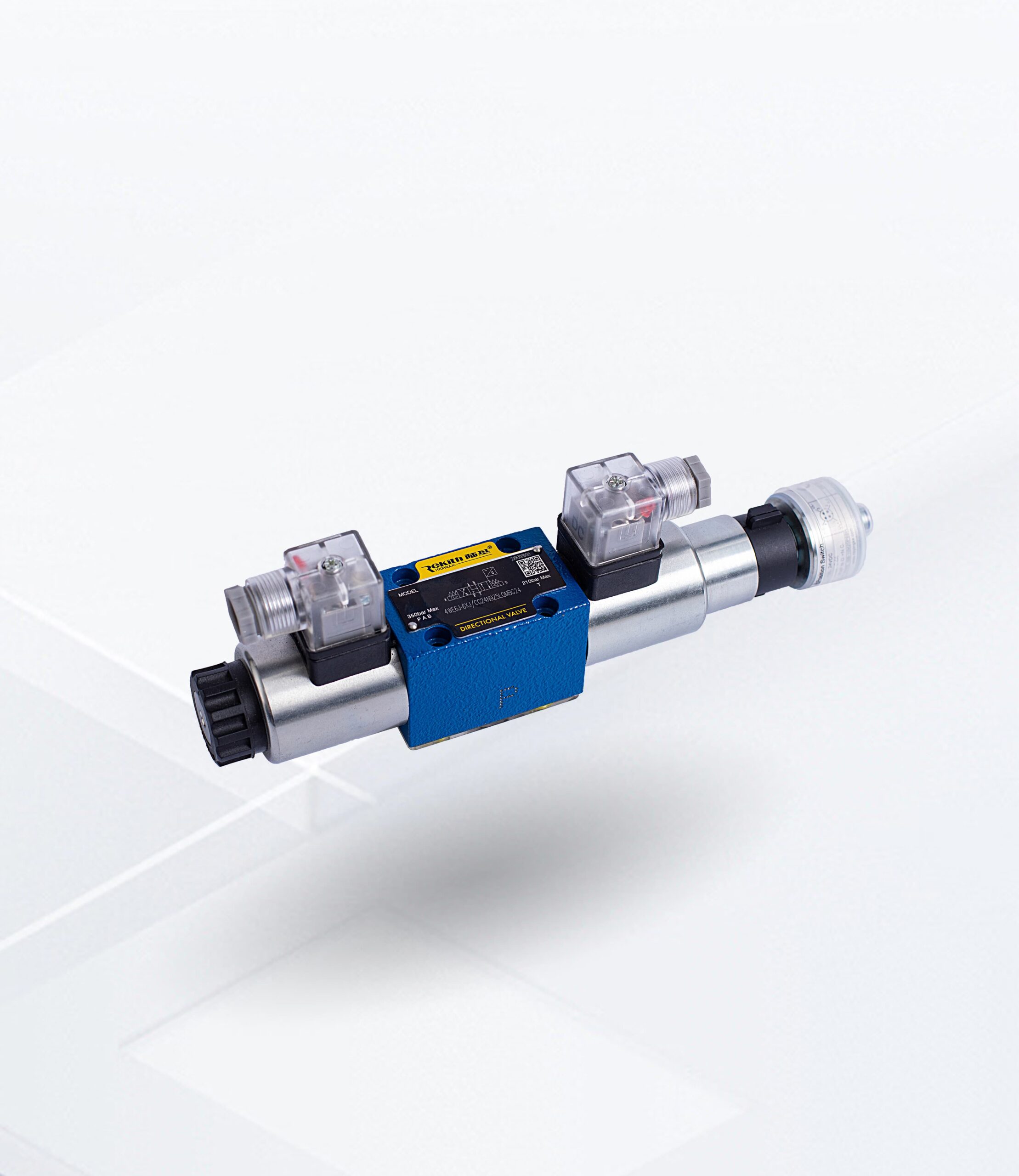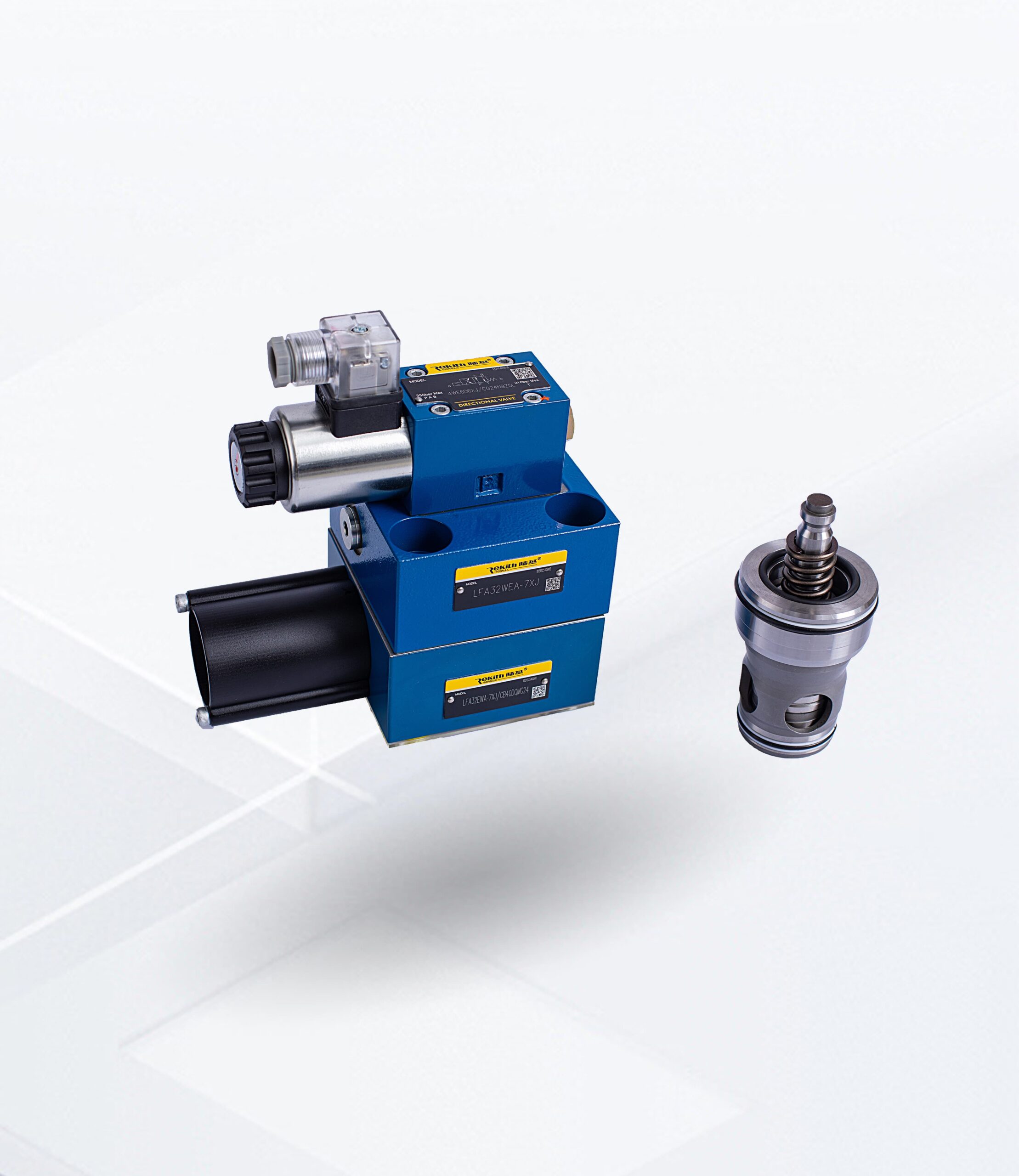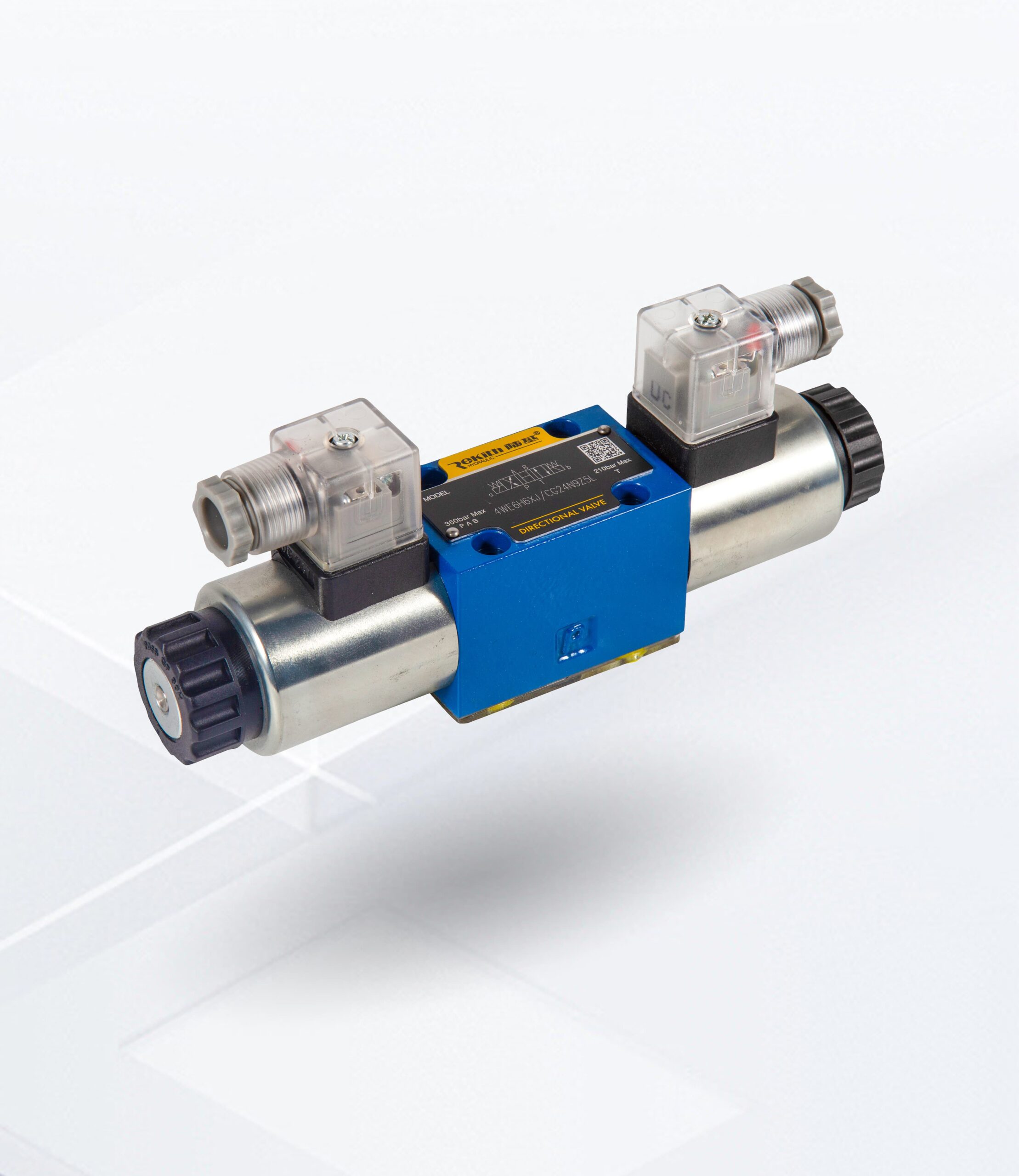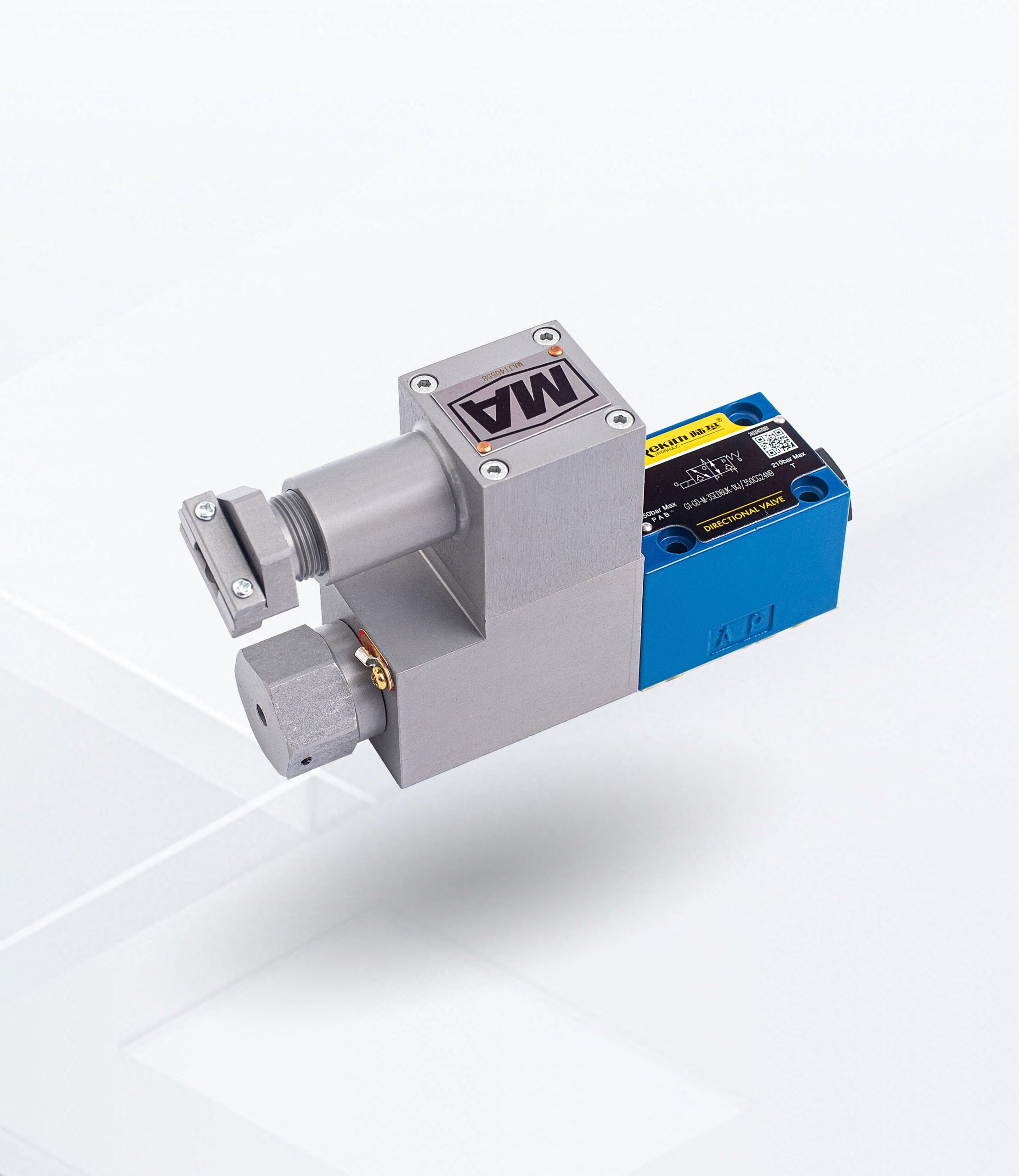

Hydraulic Valve Application:With the continuous development of the automotive and tire industries, there is an increasing demand for uniformity in tires, as well as higher precision in vulcanization machines. The superiority of hydraulic vulcanization machines is fully demonstrated in meeting these demands. At the same time, hydraulic technology is becoming increasingly mature, and maintenance is no longer a major issue. Therefore, the replacement of mechanical vulcanization machines with hydraulic technology has become an undeniable trend.
As the ‘smart brain’ controlling the tire vulcanization process, hydraulic valves can adjust and control pressure and flow, ensuring the stability of the vulcanization process. Their performance and quality are crucial to the operation of the entire system, capable of addressing issues such as unstable performance, difficulties in direct control by CNC control systems, poor reliability in action, high noise, temperature rise, high energy consumption, poor pressure-holding performance, and low pollution resistance.
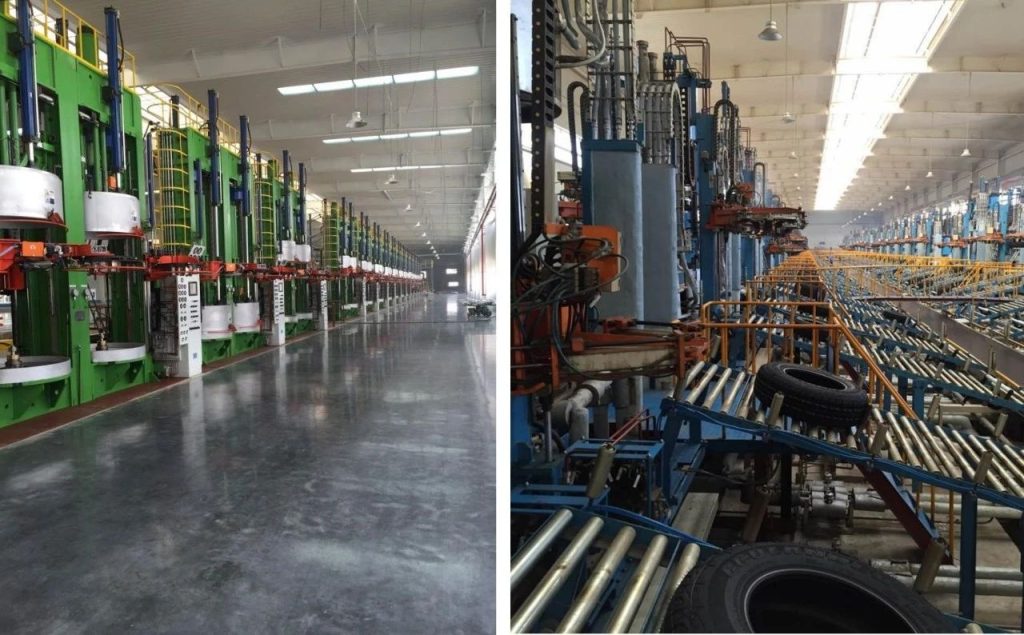
Next, we will introduce you hydraulic valve application in tire vulcanization equipment, exploring their outstanding performance and quality together.
Characteristics and Advantages of Hydraulic Valves:
Rubber vulcanization is a process that transforms raw rubber into cured rubber. During this process, pressure, temperature, and control over vulcanization time are required. The vulcanization machine meets these requirements, with the frame and hydraulic plate providing pressure, and the control box and heating plate providing temperature and control over vulcanization time. Typically, the temperature for vulcanizing ordinary rubber belts is around 145 degrees Celsius, with vulcanization pressure not exceeding 1.5 MPa, and vulcanization time ranging from 30 to 60 minutes depending on the type of belt.
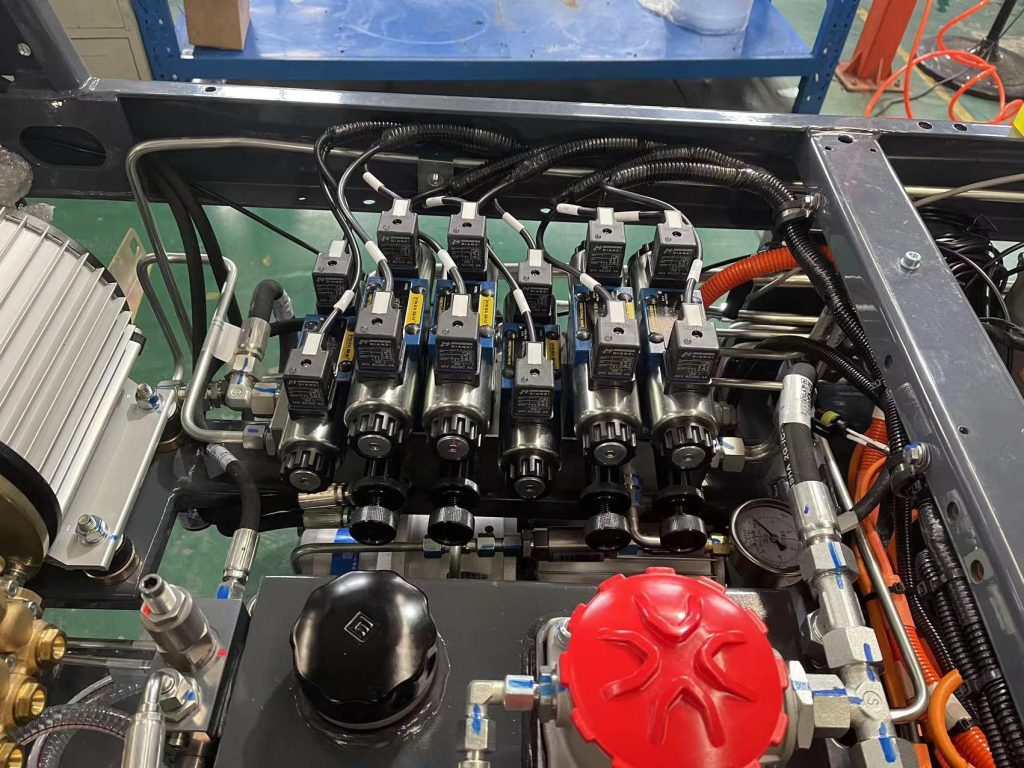
1、High Precision Adjustment:
Utilizing advanced pilot control technology, it achieves high-precision pressure and flow regulation, effectively ensuring the stability of the vulcanization process. With a special valve core design, it reduces the impact caused by direction changes, ensuring smooth operation of the opening and closing mold hydraulic cylinder circuits.
2、Longevity Design:
The valve core and valve sleeve are made of special materials and surface treatment processes, greatly improving their wear resistance and ensuring the long life of the hydraulic valve. It possesses strong pollution resistance, high temperature resistance, corrosion resistance, and other characteristics.
3、Excellent Pressure-holding Performance:
During the working cycle of the vulcanization machine, tire vulcanization requires long-term pressure maintenance for 30 to 60 minutes to ensure complete vulcanization, which directly affects the quality of rubber. In the cylinder action circuit, the Rekith hydraulic control one-way valve is used for pressure maintenance, utilizing the sealing of the conical valve seat to achieve pressure maintenance. Under 20 MPa pressure and without connecting to a diaphragm accumulator, the pressure drop within 10 minutes does not exceed five percent.
4、Easy Maintenance:
The concise modular design makes hydraulic valve installation and maintenance more convenient, reducing operational costs.
5、Wide Applicability:
Suitable for various types of tire vulcanization equipment, whether for large or small enterprises, all can benefit from its outstanding performance.
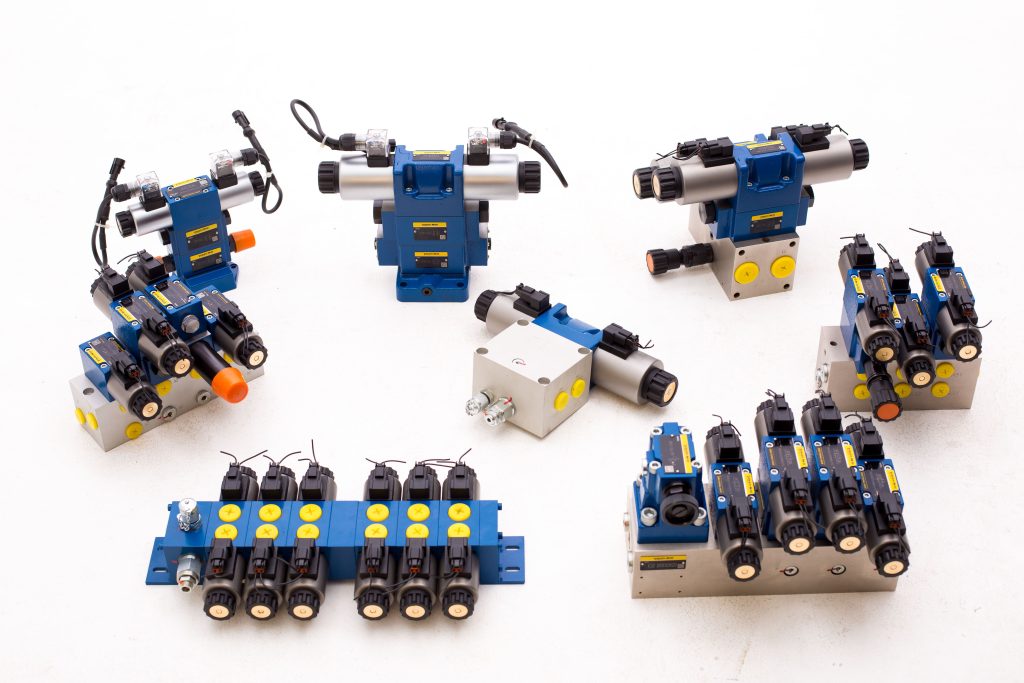
Real-life Hydraulic Valve Application Case
After implementing Rekith hydraulic valves, a well-known tire manufacturing company witnessed significant improvements in their vulcanization process. Previously, issues such as pressure fluctuations and uneven temperatures resulted in inconsistent quality of finished tires. These problems were resolved through the precise control offered by Rekith hydraulic valves. Presently, tire quality and performance have been significantly enhanced, providing robust support for the company’s production and quality standards.
hydraulic valve applications