

Hydraulic flow control valves play a crucial role in modern industrial systems, regulating the flow of hydraulic fluid with precision and reliability. These components have a significant impact on the performance and efficiency of hydraulic machinery across various sectors, from manufacturing to construction. What does flow control do? It ensures smooth operation, prevents system overload, and optimizes power distribution in hydraulic circuits.
This article delves into the intricacies of hydraulic flow control valves, exploring their key features and applications. We’ll examine the different types of flow control valves, including hydraulic flow directional control valves, and discuss factors to consider when selecting the right valve for specific needs. Additionally, we’ll cover maintenance best practices and troubleshooting tips to help professionals keep their hydraulic systems running at peak performance.
Understanding Hydraulic Flow Control
Hydraulic systems form the backbone of many industrial applications, relying on the principles of fluid dynamics to transmit power and perform work. The basics of these systems involve several key components working in harmony to achieve desired outcomes. At the heart of hydraulic systems is the pump, which generates mechanical action to create a vacuum at the inlet. This action allows atmospheric pressure to push hydraulic fluid from the reservoir into the inlet line [1]. The pump’s primary function is to provide the necessary flow of hydraulic fluid, not to generate pressure directly.
The importance of flow regulation in hydraulic systems cannot be overstated. Flow control has a significant impact on whether the system performs the desired work, minimizes wear and tear, and operates safely [2]. It’s crucial to understand that flow rate determines the rate of energy transfer at any given pressure. This relationship is based on the fundamental principles of work, energy, and power. The actuator force multiplied by the distance traveled equals the work done on the load [3]. As the actuator speed determines the rate of energy transfer, speed becomes a function of the flow rate.
Flow control valves play a vital role in regulating the speed of hydraulic actuators. These valves control the rate of flow to cylinders and motors, which ultimately regulates the speed of these components [1]. There are various types of flow control valves, ranging from simple orifices to more complex pressure-compensating valves. The simplest flow control is an orifice of fixed cross-section or area, often used in conjunction with a check valve [2]. For more precise control, compensated flow control valves are employed. These valves compensate for pressure drops, ensuring that flow remains more constant [2].
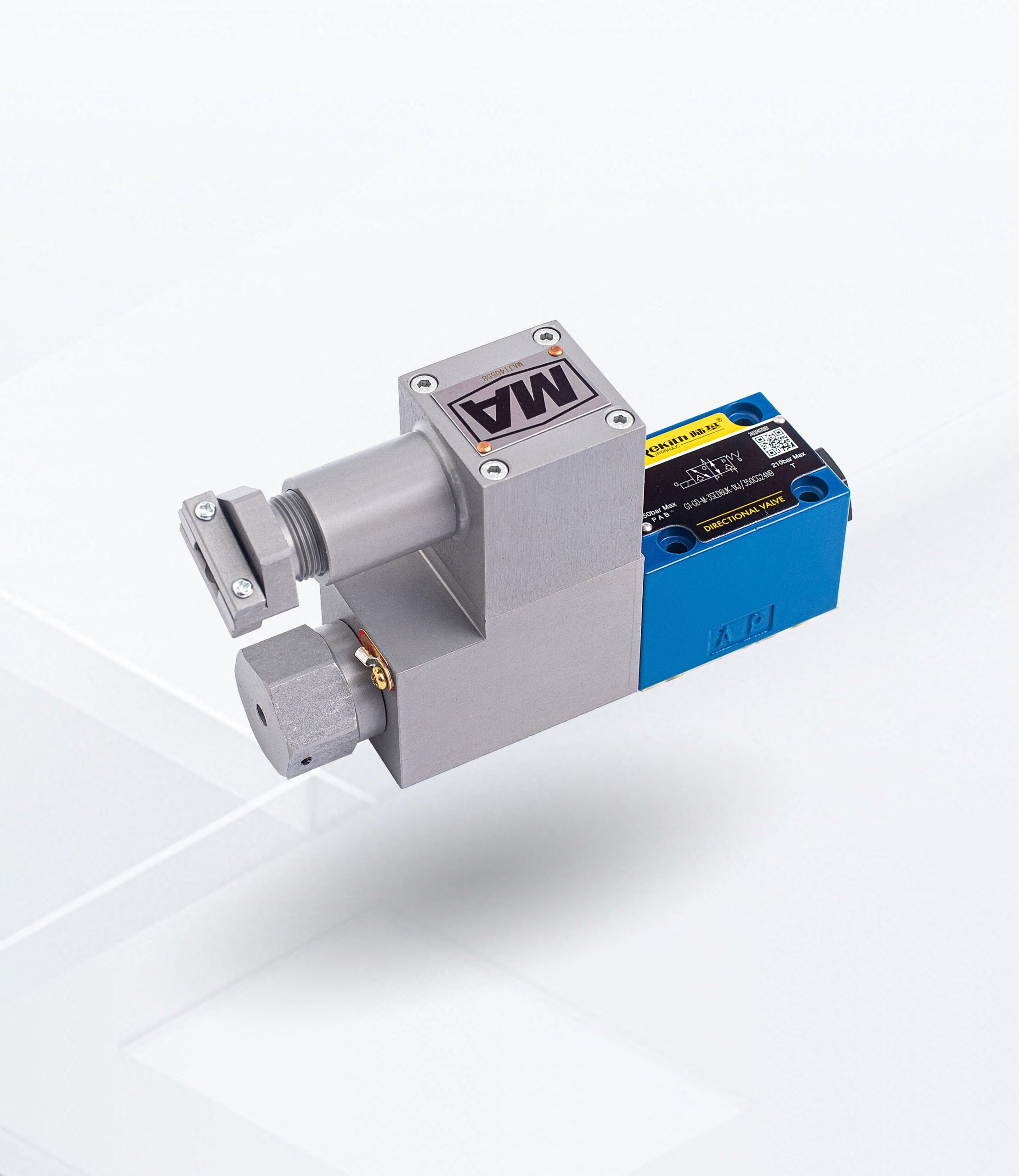
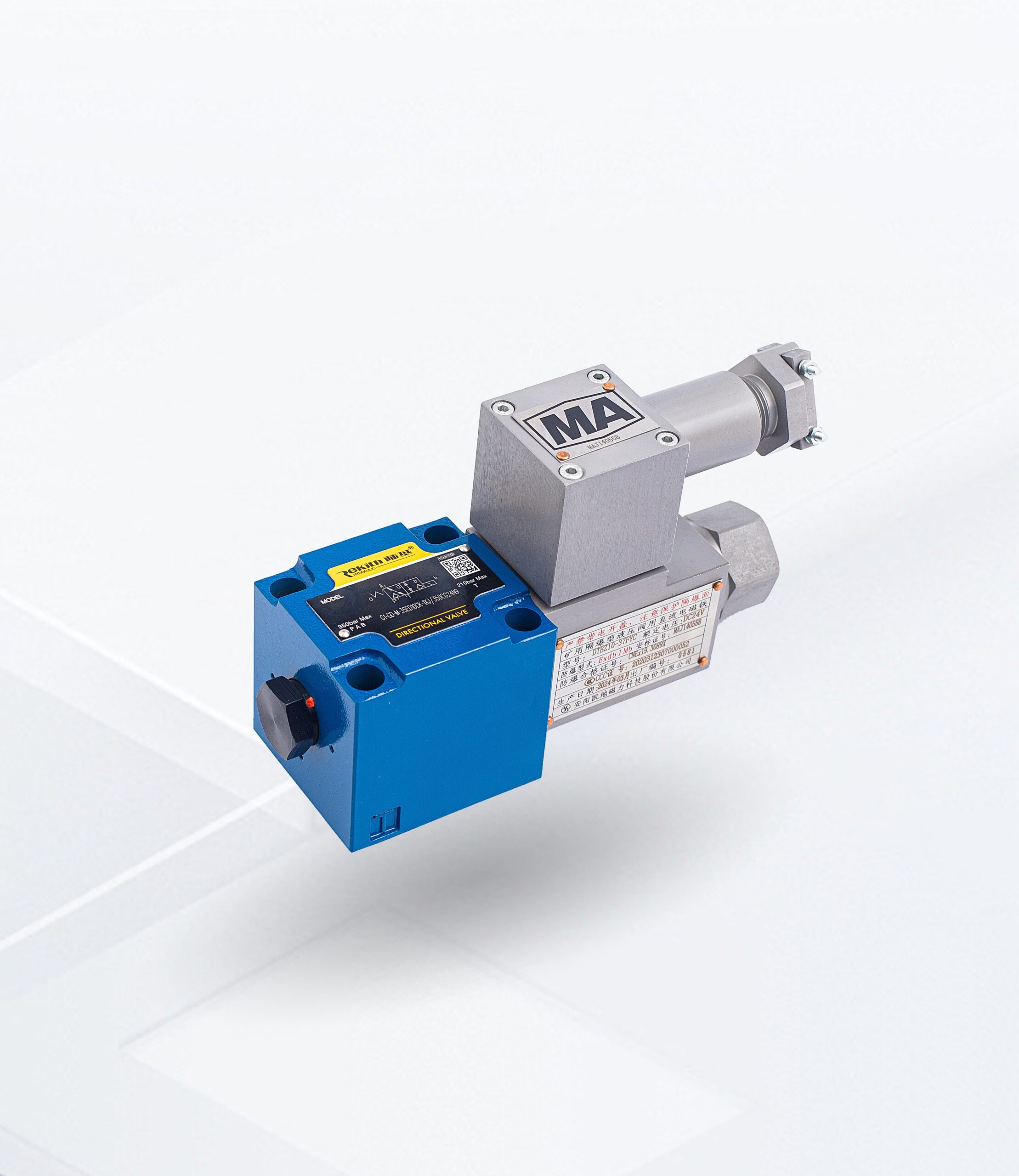
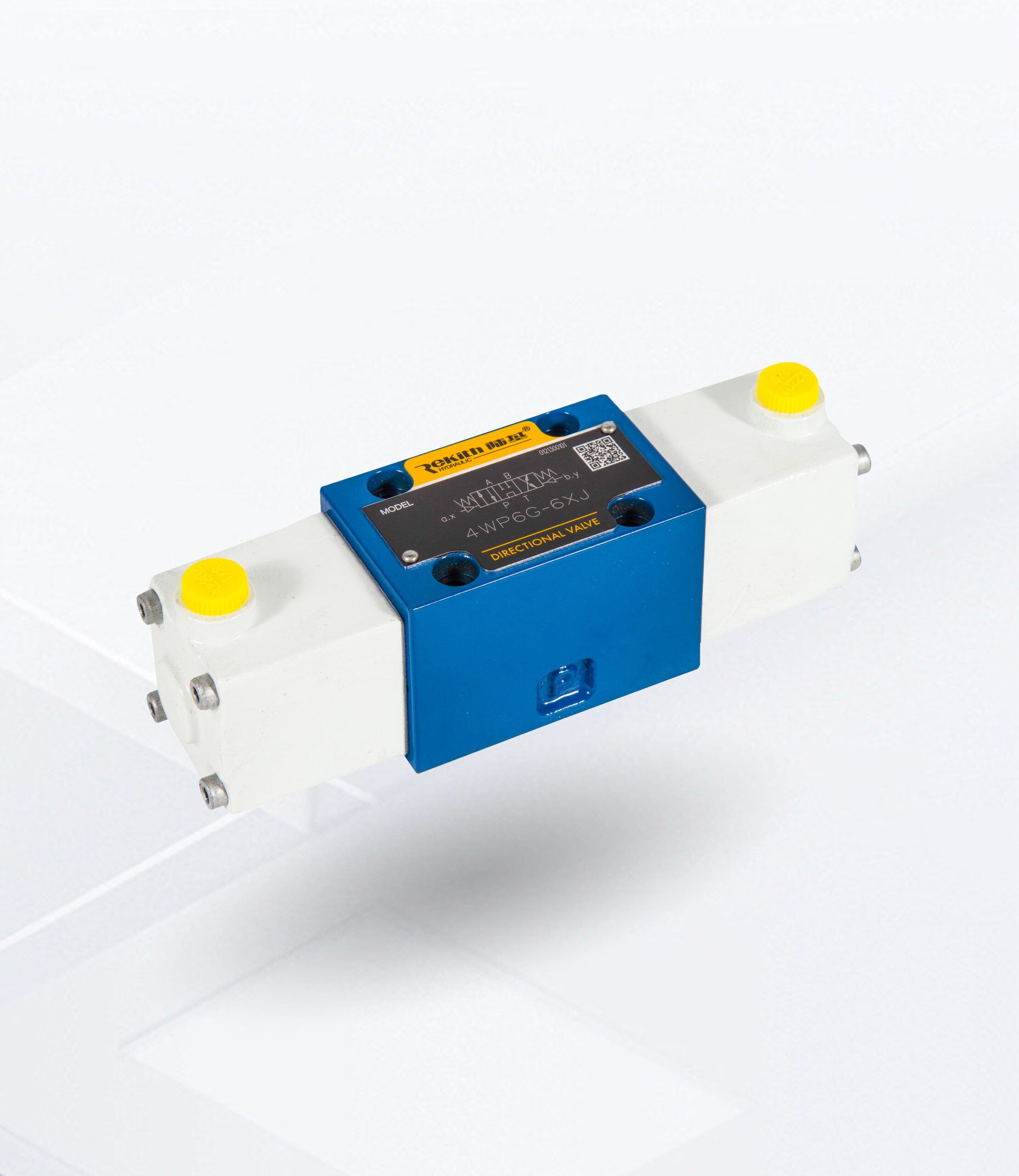
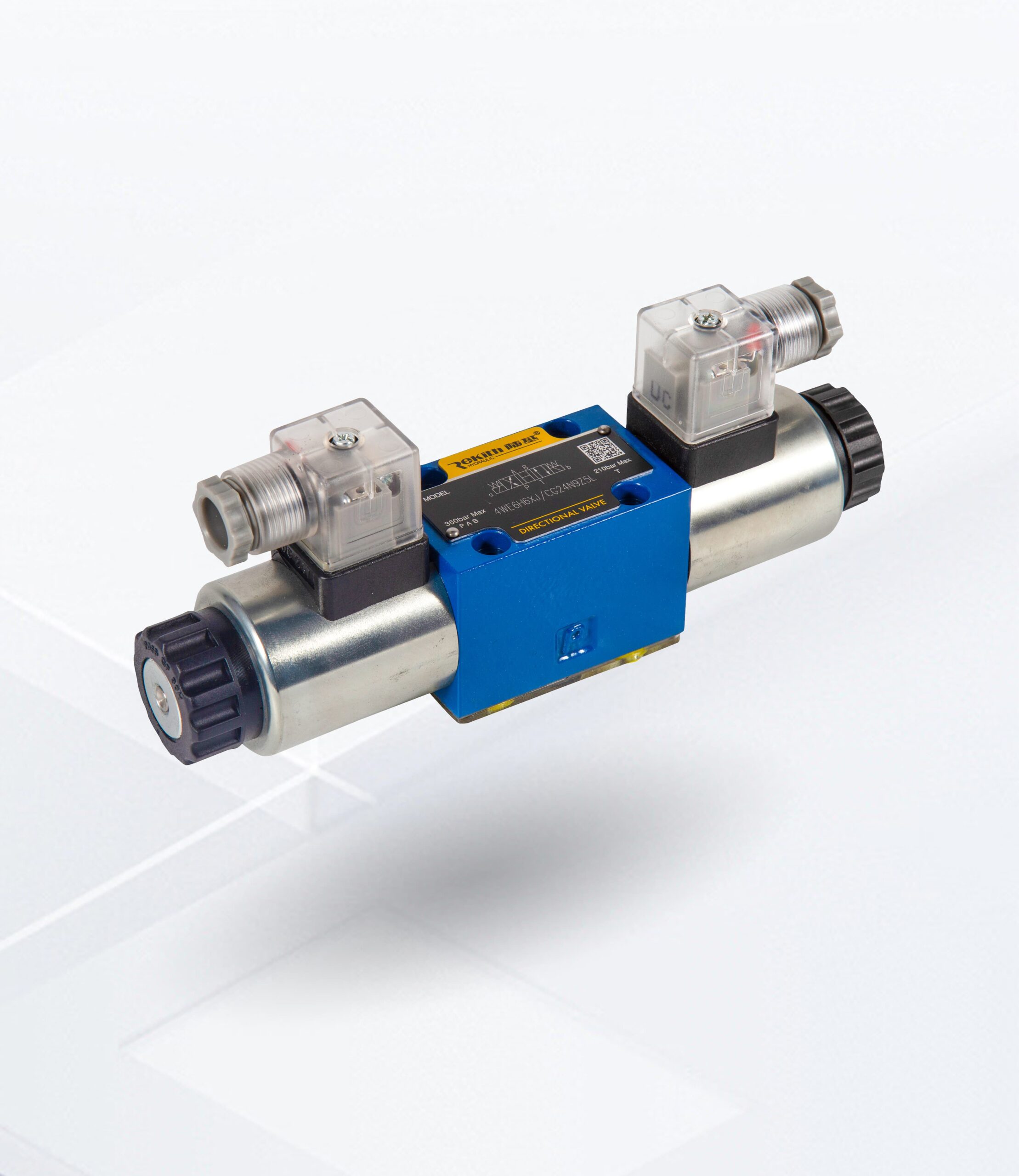
Hydraulic flow directional control valves serve a different yet equally important function. They transfer energy to the proper location at the appropriate time, keeping fluid in standby mode until it’s required for performing necessary work [1]. When actuated, these valves operate to perform the desired function. In some cases, directional control valves can achieve pressure and flow rate control by throttling the fluid flow [1].
Understanding the relationship between flow and pressure is crucial for effective hydraulic system operation. While it’s a common misconception that hydraulic pumps create pressure, they actually create flow. Pressure is generated as a result of resistance to this flow [1]. This understanding is key to attaining optimal pump performance and overall system efficiency.
In conclusion, hydraulic flow control is a complex yet essential aspect of hydraulic systems. By regulating flow rate and direction, these systems can perform a wide range of tasks with precision and reliability. The proper selection and implementation of flow control valves, including hydraulic flow directional control valves, are critical for achieving desired system performance and efficiency.
Key Features of Hydraulic Flow Control Valves
Hydraulic flow control valves play a crucial role in regulating the flow of hydraulic fluid within systems, ensuring optimal performance and efficiency. These valves possess several key features that make them indispensable in various industrial applications.
Adjustable Flow Rate
One of the primary features of hydraulic flow control valves is their ability to provide adjustable flow rates. This characteristic allows for precise control over the speed of hydraulic actuators, such as cylinders and motors. Adjustable flow valves come in various configurations, including those with relief valves and free reverse flow options . These valves can be adjusted to accommodate a wide range of flow rates, typically ranging from 0 to 30 GPM, depending on the specific model and application requirements.
The adjustability of flow rates has a significant impact on the performance of hydraulic systems. By regulating the flow rate, these valves determine the rate of energy transfer at any given pressure . This relationship is crucial because actuator speed is directly related to the flow rate, which in turn affects the overall system efficiency and power distribution .
Pressure Compensation
Pressure compensation is another vital feature of advanced hydraulic flow control valves. This capability allows the valve to maintain a constant flow rate regardless of variations in inlet or outlet pressures . Pressure-compensated flow control valves consist of a variable orifice and a pressure compensator integrated into a single valve body .
The pressure compensator works by automatically adjusting the volume flow rate from the supply to the variable orifice, keeping the internal pressure drop across the orifice constant . This mechanism ensures that the valve delivers a consistent volumetric flow rate, even when faced with fluctuating pressure differences between the inlet and outlet .
Some pressure-compensated flow control valves also incorporate temperature-sensitive elements to adapt to changes in fluid viscosity caused by temperature variations . This additional feature further enhances the valve’s ability to maintain a constant flow rate under diverse operating conditions.
Directional Control
Directional control is a fundamental feature of hydraulic flow control valves, allowing them to manage the direction of fluid flow within the system. Directional control valves, often referred to as fluid switches, direct the high-energy input stream to the actuator inlet and provide a return path for the lower-energy oil [3].
These valves can be designed with multiple ports and positions, offering various flow path configurations. For example, a 4-port, 3-position spool valve can route fluid to extend or retract a cylinder, as well as maintain a neutral position where all ports are blocked [7]. This versatility makes directional control valves essential for applications requiring precise control over actuator movements.
In conclusion, the key features of hydraulic flow control valves, including adjustable flow rates, pressure compensation, and directional control, work together to ensure efficient and reliable operation of hydraulic systems. These valves play a crucial role in maintaining consistent actuator speeds, compensating for pressure fluctuations, and directing fluid flow to achieve desired system performance.
Selecting the Right Hydraulic Flow Control Valve
System Requirements
When selecting a hydraulic flow control valve, it is crucial to consider the specific requirements of the system. The characteristics of the hydraulic fluid play a vital role in determining which components are best suited for the application. Hydraulic fluids vary in viscosity and corrosiveness, so the valve material must be compatible with the liquid to avoid performance issues . For pressurized fluids, steel or metal valves are generally recommended, while PTFE or PFA valves are more suitable for highly corrosive or harsh fluids .
The function of the valve within the system is another critical factor to consider. If simple on/off control is required, a 2-way valve may be sufficient. However, for more complex operations such as mixing or diverting fluid, a 3-way valve might be necessary . Additionally, the frequency of valve operation should be taken into account when making a selection.
Flow Capacity Considerations
Proper sizing of the hydraulic flow control valve is essential for optimal system performance. The valve should be sized to operate between 60% and 80% open at the maximum required flow rate, and not much less than 20% open at the minimum required flow rate . This approach allows for the use of as much of the valve’s control range as possible while maintaining a reasonable safety factor.
Oversized valves are a common issue in hydraulic systems. An oversized control valve not only costs more than necessary but also becomes overly sensitive, making it difficult to adjust precisely to the required flow . Small changes in valve position can cause large fluctuations in flow, potentially reducing the precision of flow control.
Environmental Factors
Environmental considerations play a significant role in selecting the right hydraulic flow control valve. Factors such as temperature, pressure, and the presence of corrosive elements in the operating environment must be taken into account . For high-temperature and high-pressure applications, steel or metal valves are typically more suitable compared to plastic or lower-grade materials .
The working pressure of the valve should be equal to or greater than the maximum system pressure, and the fluid temperature should be maintained at a level specified to be compatible with the valve . In harsh environments, additional protective materials or coatings may be necessary to ensure the valve’s longevity and reliable performance.
By carefully considering these factors – system requirements, flow capacity, and environmental conditions – engineers can select the most appropriate hydraulic flow control valve for their specific application. This ensures optimal performance, reliability, and longevity of the hydraulic system, while also minimizing the risk of failure, downtime, or potential environmental hazards.
Maintenance and Troubleshooting
Common Issues
Hydraulic flow control valves are essential components in hydraulic systems, but they can experience various issues that affect their performance. One of the most common problems is contamination, which can lead to internal leakage and reduced efficiency. Contamination can occur due to dirty hydraulic fluid, debris entering the system, or wear and tear of components [12]. Another frequent issue is valve stiction, where the valve becomes stuck in a particular position due to excessive friction or tight packing [13].
Improper valve sizing is another prevalent problem that can cause poor control performance. Oversized valves may lead to frequent opening and closing, resulting in instability and accelerated wear . Conversely, undersized valves may not be able to supply the required flow, even when fully opened .
Preventive Maintenance Tips
To ensure optimal performance and longevity of hydraulic flow control valves, implementing a robust preventive maintenance program is crucial. Regular inspection of the valves is essential, with experts recommending checks every 12 weeks, depending on the system’s operation . These inspections should include visual examinations for signs of degradation, corrosion, or leakage.
Maintaining clean hydraulic fluid is paramount in preventing contamination-related issues. Regularly changing filters and monitoring fluid quality can significantly reduce the risk of valve damage . Additionally, ensuring proper lubrication of moving parts and checking for any loose connections or fittings can help prevent many common problems.
Calibration of valve positioners and actuators is another critical aspect of preventive maintenance. Improper calibration can lead to incorrect fluid flow characteristics and reduced system efficiency . Regular calibration checks and adjustments can help maintain precise control over hydraulic flow.
Troubleshooting Techniques
When issues arise with hydraulic flow control valves, effective troubleshooting techniques can help identify and resolve problems quickly. One common approach is to perform a visual inspection of the valve and surrounding components, looking for signs of leakage, damage, or unusual wear .
For more complex issues, such as erratic valve behavior or loss of hydraulic power, a systematic approach is necessary. This may involve checking for air in the system, which can cause irregular valve operation . Bleeding the system to remove trapped air can often resolve these issues.
Monitoring system pressure and flow rates can provide valuable insights into valve performance. Unexpected pressure drops or flow fluctuations may indicate internal leakage or valve damage . Using diagnostic tools, such as pressure gages and flow meters, can help pinpoint the source of these problems.
In cases of suspected contamination, analyzing a sample of hydraulic fluid can reveal the presence of particulates or other contaminants that may be affecting valve performance . This analysis can guide cleaning or flushing procedures to restore proper valve function.
By implementing these maintenance and troubleshooting strategies, operators can minimize downtime, optimize the performance of hydraulic flow control valves, and extend the lifespan of their hydraulic systems.
Conclusion
Hydraulic flow control valves have a significant impact on the performance and efficiency of hydraulic systems across various industries. Their ability to regulate flow rates, compensate for pressure changes, and control fluid direction makes them essential components in modern machinery. The proper selection of these valves, taking into account system requirements, flow capacity, and environmental factors, is crucial to ensure optimal operation and longevity of hydraulic equipment.
Regular maintenance and effective troubleshooting are key to keeping hydraulic flow control valves in top shape. By implementing preventive measures like routine inspections, clean fluid management, and proper calibration, many common issues can be avoided or quickly resolved. When problems do arise, a systematic approach to troubleshooting can help identify and fix issues promptly, minimizing downtime and maintaining system efficiency. As hydraulic technology continues to evolve, the role of these valves in enhancing system performance and reliability remains central to many industrial applications.
FAQs
How does a hydraulic flow control valve function?
A flow control valve in a hydraulic system helps manage the flow rate to specific components like motors and cylinders, which in turn controls their operational speed. This regulation ensures that the energy transferred matches the work performed.
What type of valve is inappropriate for regulating flow?
Gate valves should not be used for flow control as their design does not support effective throttling of fluid volume. Using a gate valve to throttle can lead to damage due to fluid forcefully hitting a partially open gate, unless it is specifically designed for this purpose by the manufacturer.
Does a flow control valve influence the pressure in a system?
Yes, a flow control valve can affect pressure. By altering the cross-sectional area through which the fluid passes, the valve adjusts the flow rate, which results in a pressure drop across the valve.
What are the indicators of a malfunctioning hydraulic control valve?
Signs of a faulty hydraulic control valve include slow or irregular actuator movements, abnormal noise or vibrations, fluid leaks from the valve or actuator, a drop in pressure or flow within the circuit, and overheating of the fluid or system components.