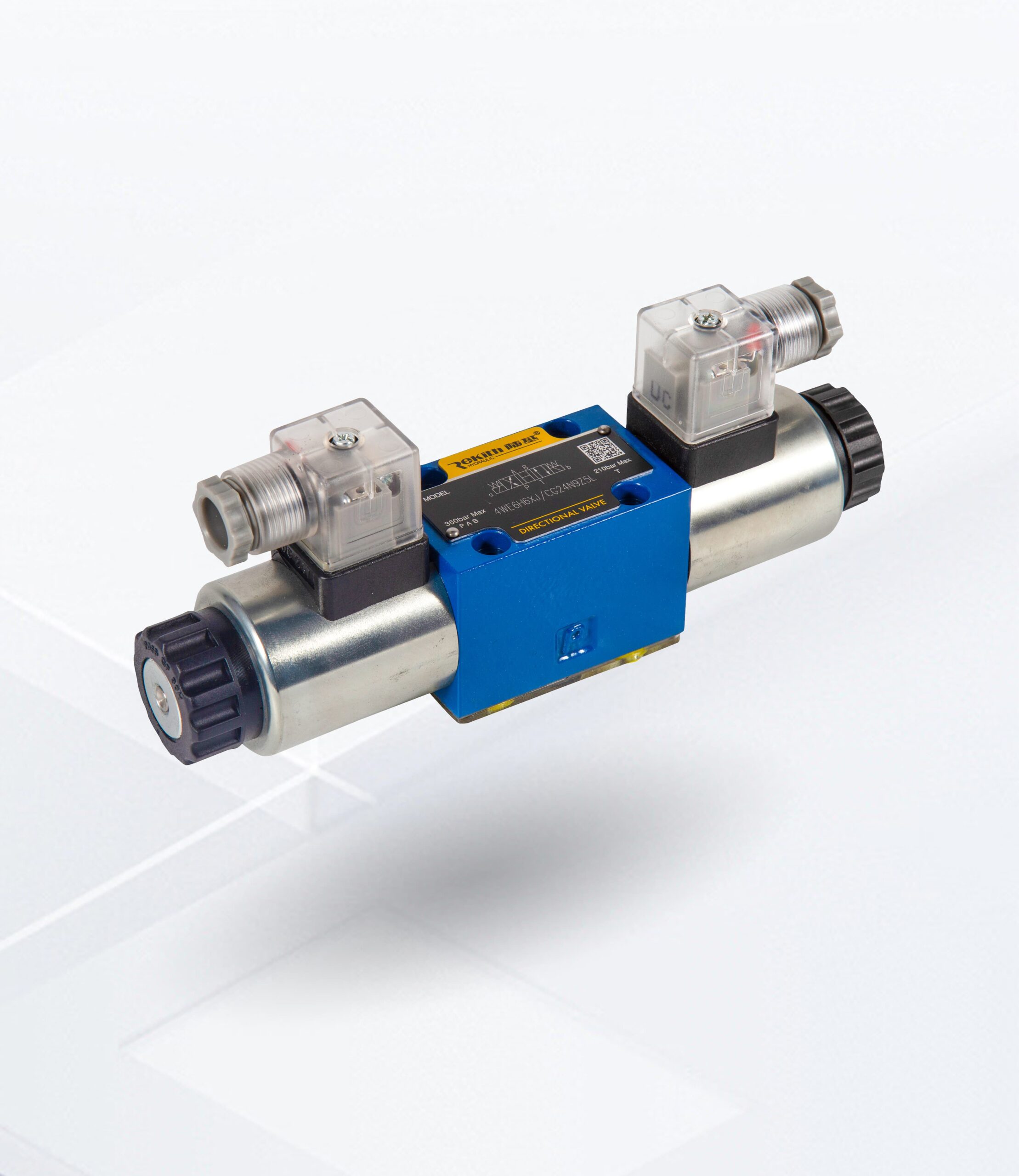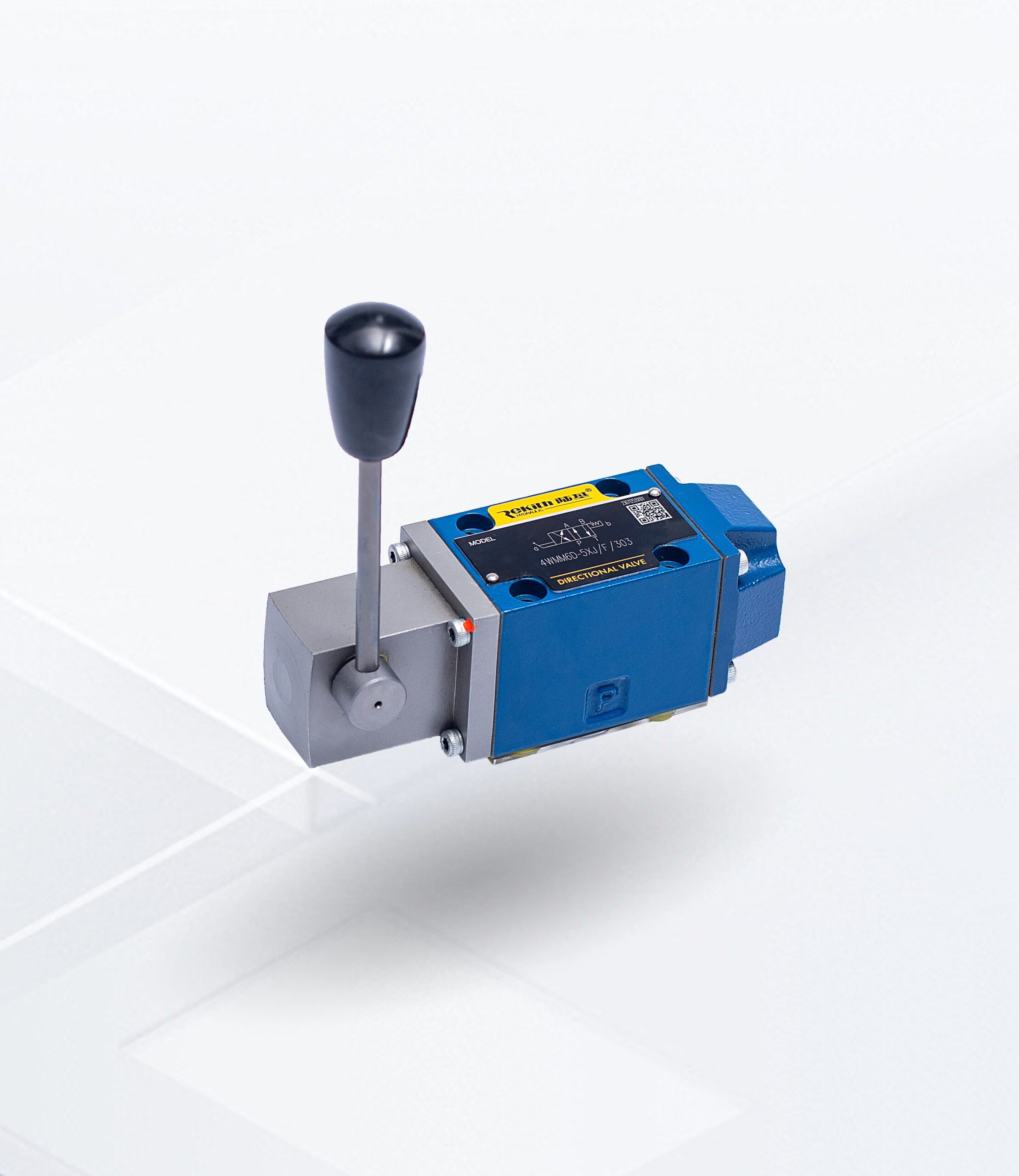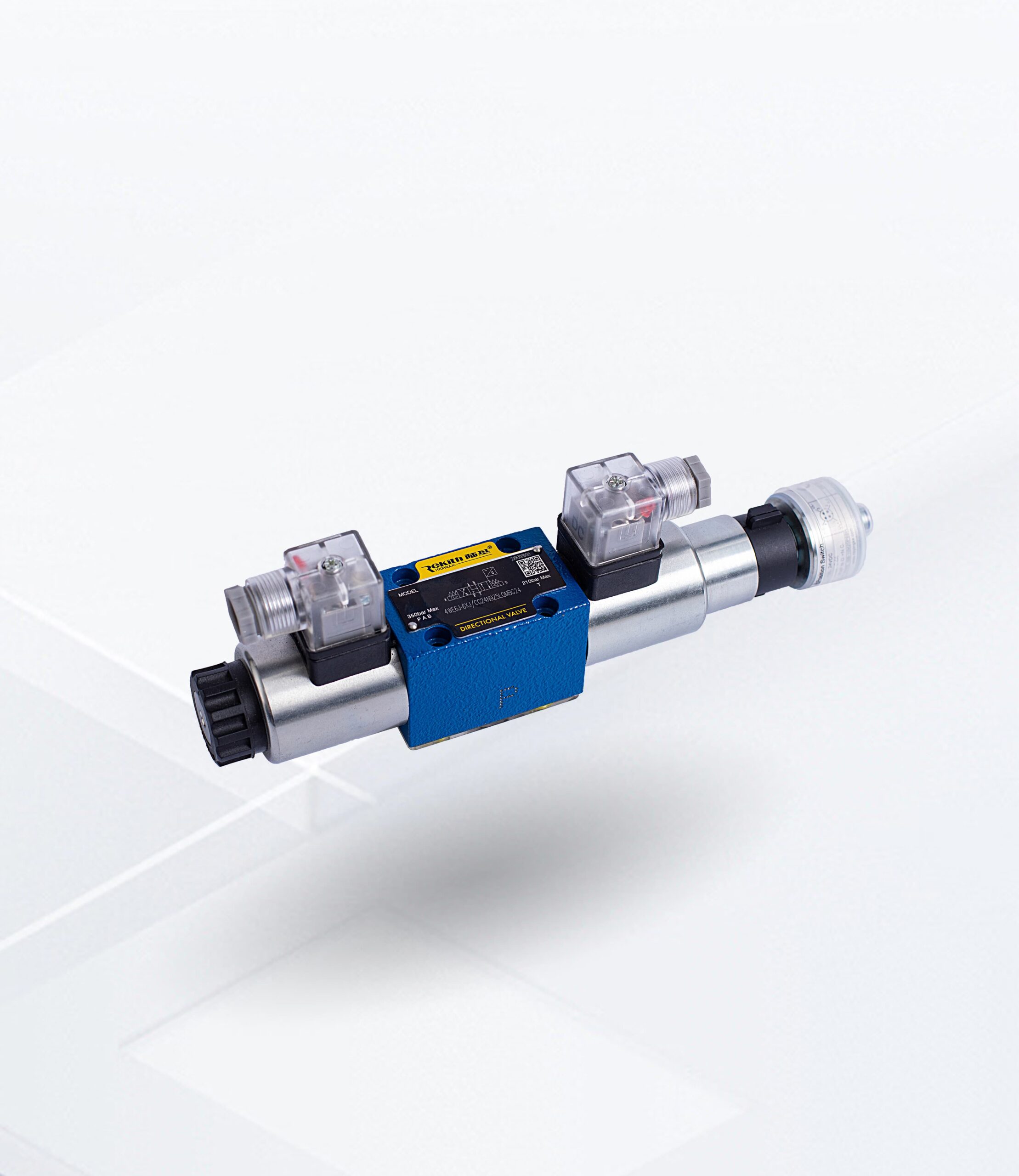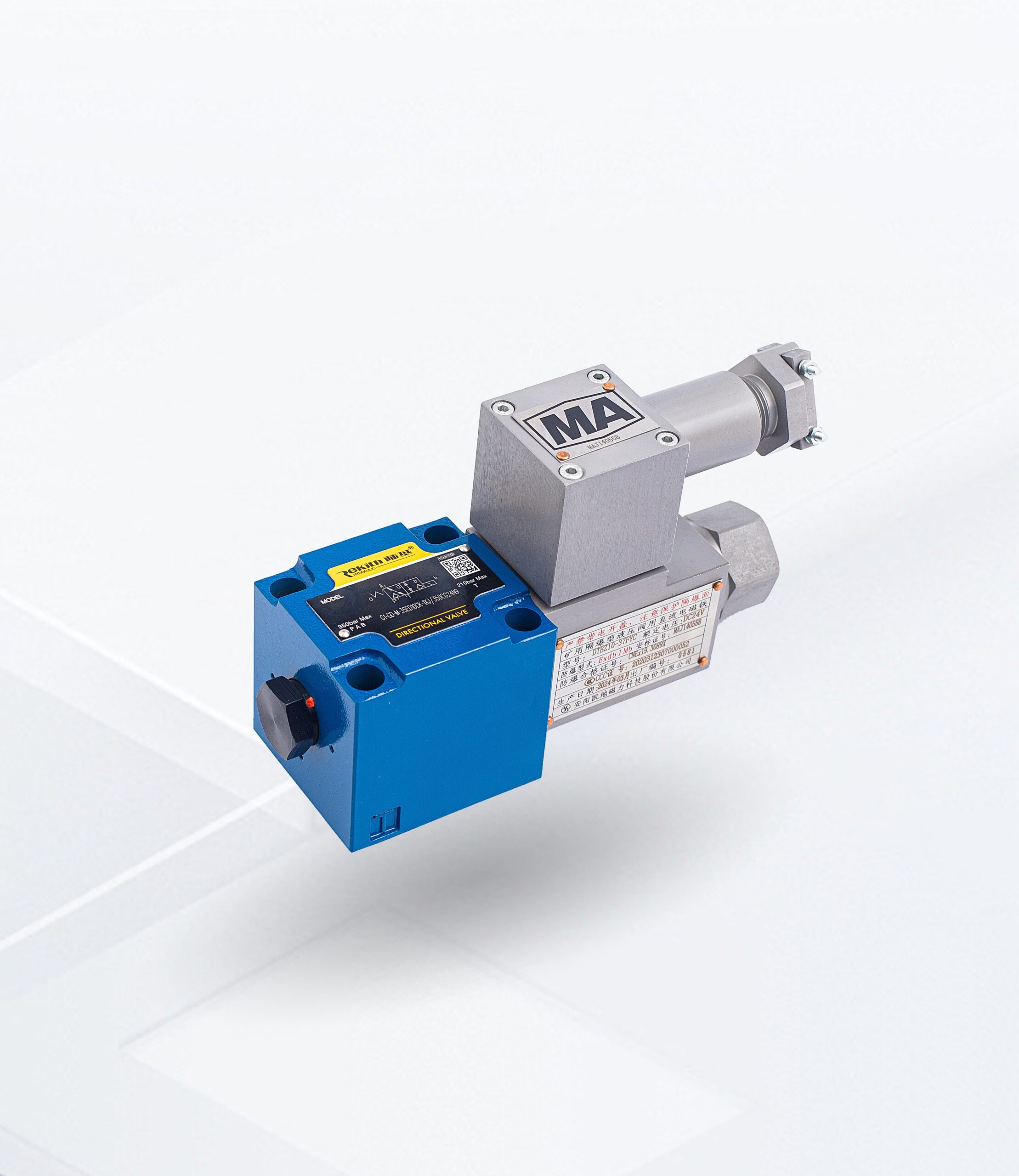

Hydraulic valve blocks play an essential role in modern hydraulic systems, becoming the centralized hubs of fluid pressure, flow, and direction control. Precision stability, efficiency, and operational safety, hydraulic valve blocks contribute directly to heavy machinery or industrial manufacturing and automation, or even agro-based applications. More compact, more digitalized, and advanced hydraulics today have enabled engineers to design a component inside a block that optimizes performance for increasingly complex yet highly demanding applications.
What Are Hydraulic Valve Blocks?
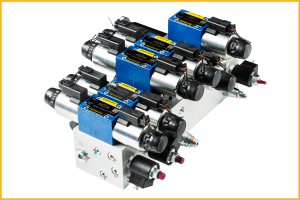
Hydraulic valve blocks, or hydraulic manifolds as they are often technically referred to, allow several hydraulic valves to be combined within one compact unit. Internal channels replace separate hoses and fittings for each valve. This provides better control over the fluid while increasing reliability with reduced chances of leakage. Hydraulic valve blocks function in sending, regulating or distributing hydraulic fluid towards various actuators/cylinders/motors; they can be considered the nerve center(s) of any such system(s).
Core Functions of Hydraulic Valve Blocks
The hydraulic valve blocks are meant for an organized and efficient management of hydraulic flow paths. In other words, several valves and passages are integrated to build one structure that manages pressure controls, flow distribution, as well as changes in direction, meanwhile keeping stability and smoothness at different operating conditions by reducing possible leakage points together with maintaining constant pressure levels to enable reliable machine movement.
Why Hydraulic Valve Blocks Matter in Modern Systems
Hydraulic systems of the present day require features of high precision and stability within a compact system. Hydraulic valve blocks allow integrated design to meet spatial layout optimization with component complexity reduction, which can perfectly match such requirements. This, therefore, results in enhanced reliability plus reduced installation time for equipment working under high pressures, together with easy maintenance, wherein advanced machinery hydraulic valve blocks play an ever-increasing role.
How Hydraulic Valve Blocks Are Designed and Manufactured
The manufacture of hydraulic valve blocks is a process involving advanced engineering and precision machining, subjected to strict quality control. The blocks are designed to withstand high pressure with smooth fluid flow and reliable operation under harsh industrial environments. Internal passages have(to reduce turbulence, ensure smooth transitions, and minimize low-pressure drop.
For an in-depth look at the manufacturing tolerances, CNC machining workflow, and ISO 4406 testing standards used in high-performance manifolds, see our detailed guide:hydraulic manifold machining.
Materials Used in Hydraulic Valve Blocks
Hydraulic valve blocks can be made from different materials based on pressure requirements, environmental conditions, and specific application needs. Common materials include aluminum, carbon steel, alloy steel, and stainless steel. Aluminum is mostly used in lightweight mobile systems, while steels and stainless steels are used for high-pressure, corrosive, or heavy-duty environments.
Precision Machining Techniques
Hydraulic valve blocks can be made from different materials based on pressure requirements, environmental conditions, and specific application needs. Common materials include aluminum, carbon steel, alloy steel, and stainless steel. Aluminum is mostly used in lightweight mobile systems, while steels and stainless steels are used for high-pressure, corrosive, or heavy-duty environments.
Types of Hydraulic Valve Blocks and Their Purposes
Hydraulic valve blocks come in multiple configurations depending on system complexity and functional requirements. Each type supports different performance goals and operational environments.
Modular Hydraulic Valve Blocks
Modular hydraulic valve blocks are available in stackable sections. This feature enables easy customization and extension of the hydraulic system by an engineer. Therefore, they suit systems that constantly undergo upgrades or changes in configurations. The modular setup minimizes downtime while making fault-finding easy and supporting scalable development of the system.
Integrated Hydraulic Valve Blocks
How Hydraulic Valve Blocks Improve System Performance
Integrating hydraulic valve blocks into machinery improves performance, stability, and system longevity. Their design reduces unnecessary components, decreases leak points, and improves overall safety.
Reducing Leakage and Improving Safety
Hydraulic valve blocks reduce hoses, fittings, and connectors in a system to the minimum possible number. Since every additional connection is another potential leakage point, combining all these components into one block manifold assembly massively improves the safety and reliability of the system. This fact becomes absolutely crucial in high-pressure or mission-critical machines where a leakage can result in major downtime or even pose safety hazards.
Enhancing Efficiency and Control
By optimizing internal flow paths, hydraulic valve blocks help reduce pressure losses, smooth fluid transitions, and improve energy efficiency. The compact design supports faster and more precise control of actuators, allowing machinery to operate smoothly, even in demanding environments.
Applications of Hydraulic Valve Blocks Across Industries
Hydraulic valve blocks are used in numerous industries due to their versatility and ability to support complex hydraulic operations. Their durability, precision, and efficient design make them essential in environments that require controlled fluid movement.
Construction and Heavy Machinery
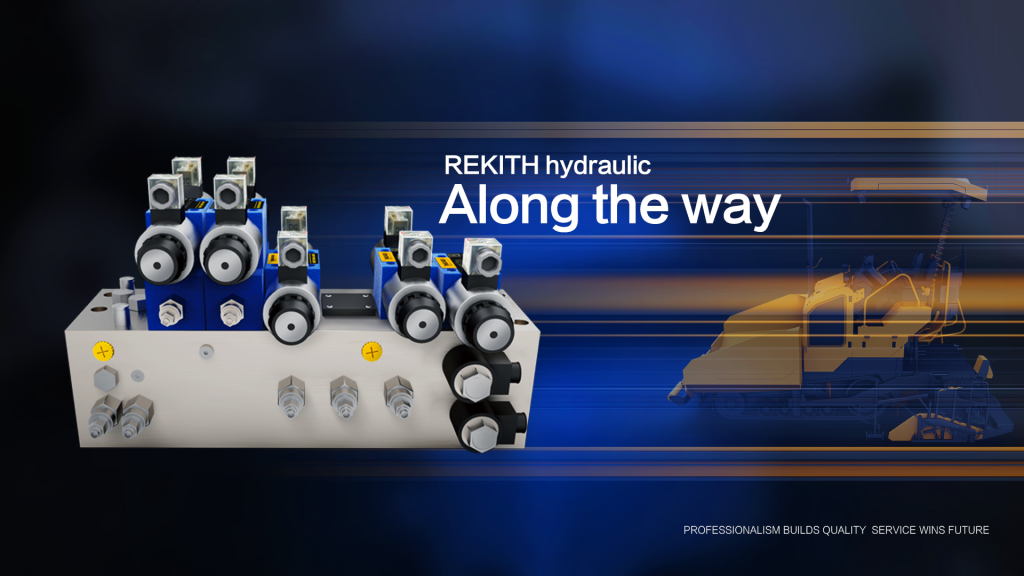
Hydraulic valve blocks control the boom and arm with bucket operations or steering and lifting functions together with attachments in large construction machinery comprising excavators, cranes, concrete pumps, wheel loaders, and drilling rigs. Safe to say their reliability is key not only for safety but also for keeping productivity high on a construction site.
Industrial Automation and Manufacturing
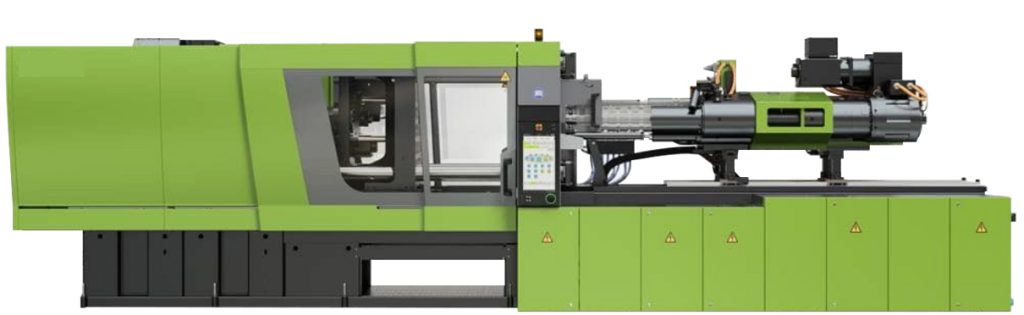
Hydraulic valve blocks are key to injection molding machines, stamping presses or die-casting equipment and robots, assembly machinery, and automatic production lines. In all these applications, they support precise fluid control for repetitive high-speed industrial operations. This kind of integration allows greater consistency with less downtime, accompanied by improved output quality.
Selecting the Right Hydraulic Valve Blocks
Engineers must consider performance requirements, environmental conditions, operational demands, and budget factors when selecting hydraulic valve blocks. A comprehensive technical reference can be found at Hydraulic Institute Standards.
When selecting valves to integrate into your manifold block, pressure relief valves are among the most critical components. See our Hydraulic Pressure Relief Valve: Types & Selection Guide for detailed selection criteria.
Key Technical Specifications to Consider
Important factors include pressure rating, flow capacity, port configuration, material strength, valve compatibility, and coating requirements. Engineers must also consider temperature range, sealing design, fluid type, and the overall system layout to ensure optimal performance.
Environmental and Operational Factors
Working conditions also require a specific feature in the hydraulic valve block. It could be a corrosion-resistant coating or stainless-steel construction for outdoor or marine applications, and a heat-resistant material with well-designed flow channels to minimize fluid degradation on high-temperature machines, and more. Environmental factors play a role in long-term stability.
Installation and Maintenance of Hydraulic Valve Blocks
Proper installation and regular maintenance ensure hydraulic valve blocks perform reliably over time. Failure to follow appropriate procedures may lead to costly repairs or operational downtime.
Best Practices for Installation
Cleanliness! Clean all ports and components before installation. Contamination is one of the leading causes of failure in hydraulic systems, so let’s keep everything clean. Secure the hydraulic block firmly to prevent wear due to vibration-induced looseness. Proper torque? Yes! Match torques correctly between mating parts.
Routine Maintenance Guidelines
Routine maintenance includes checking for leaks, inspecting seals, monitoring pressure levels, changing hydraulic fluid, and cleaning filters. Regular checks help detect issues early, prevent system failures, and extend the lifespan of machinery.
Troubleshooting Common Issues with Hydraulic Valve Blocks
Hydraulic valve blocks can experience performance issues due to contamination, wear, improper installation, or extreme working conditions. Early detection and quick resolution minimize downtime and prevent system failures.
Symptoms of Potential Problems
Common signs of hydraulic valve block issues include inconsistent pressure, slow mechanical response, excessive vibration, overheating, and noisy operation. These symptoms may indicate valve sticking, internal blockages, or fluid contamination.
Troubleshooting and Corrective Measures
The troubleshooting steps include a pressure test, checking the function of valves, internal channels, seals, as well as fluid quality. Flushing the hydraulic system and replacing worn-out part,s together with cleaning internal passages, most often brings back its performance. A correct diagnosis leads to an effective repair that is also cost-efficient.
Advantages of Using Hydraulic Valve Blocks in Complex Systems
Hydraulic valve blocks deliver significant benefits in performance, reliability, and system integration. Their compact design, engineered flow paths, and robust structure support efficient operation in demanding applications.
Space Optimization and Compact Design
Hydraulic valve blocks reduce the general size and weight of the system by allowing several valves to be included in a single component. This is highly useful for mobile machinery or aerial platforms, together with equipment where installation space is at a premium. Compact layouts help enhance heat management while reducing possible points of leakage.
Improved System Reliability and Reduced Downtime
Fewer hoses and connectors mean fewer failure points. Hydraulic valve blocks are designed to withstand high pressure and heavy loads, providing reliable performance even under continuous operation. This improved reliability helps reduce downtime, maintenance costs, and overall operational risks.
Emerging Trends in Hydraulic Valve Block Technology
As industries evolve toward automation, electrification, and smart machinery, hydraulic valve blocks are undergoing significant technological advancements. These innovations improve precision, efficiency, and system intelligence.
Integration with Smart Control Systems
More and more modern hydraulic valve blocks contain sensors, pressure monitoring devices, flow meters, and electronic control modules. This smart feature supports real-time condition monitoring by predicting maintenance needs as well as improving diagnostics, hence better management of hydraulics to optimize its performance when integrated with digital control systems.
Lightweight Materials and Advanced Manufacturing
New high-strength aluminum alloys and composite metals include, among others, materials recently developed to enable more efficient engines while maintaining lightweight structures. Added is the possibility of building complicated internal channels by advanced manufacturing methods such as 3D metal printing and precision deep drilling — better flow characteristics; specific customization for any application.
Future Development of Hydraulic Valve Blocks
The future of hydraulic valve blocks involves increased energy efficiency, environmental sustainability, and compatibility with hybrid and electric machinery. These components will continue evolving alongside technological innovation.
Sustainable and Energy-Efficient Designs
Hydraulic systems are also going green. Designers reduce energy wastage, heat production and fluid loss in hydraulics to make them eco-friendly. Hydraulic valve blocks play the main role of optimized internal flow paths and minimum pressure losses towards a sustainable operation.
Integration into Hybrid and Electric Equipment
Hydraulic valve blocks must be made compatible with the new architectures of systems as hybrid and electric machines include linking them with electric actuators, supporting variable speed pumps, and working together with highly advanced electronic controllers, bringing to the hydraulic valve block an expanded role in next-generation equipment.
Conclusion
Hydraulic valve blocks play a key role in the effective fluid distribution, pressure control, and flow management of today’s hydraulic systems across construction machinery, industrial automation, agriculture, material handling, and high-tech manufacturing. Hydraulic valve blocks carry several hydraulic valves within them in a compact, optimized structure, therefore reducing points of leakage, enhancing operational safety together with system performance.
Hydraulic technologies are developing intelligent, energy-saving, highly integrated concepts. Hydraulic valve blocks remain a core element of such concepts. New materials, high precision machining, options for customization and electronic-digital controls further enhance their monitoring functionality in next-generation machines and equipment. Long-term know-how based on block selection, maintenance and optimization shall continue to play an important role among engineers as well as operators-users through understanding the working principles (functions) inside hydraulic valve blocks.
Essentially, hydraulic valve blocks are basic mechanical components that structurally support productivity, equipment life, and stability of the system. As innovation continues to grow and industrial demands increase, it will assuredly emphasize a larger role for these components in determining the working efficiency of future hydraulic systems.
Ready to specify a manifold block for your application? View Rekith’s Hydraulic Manifold Blocks →