
Industrial Machinery Market Analysis
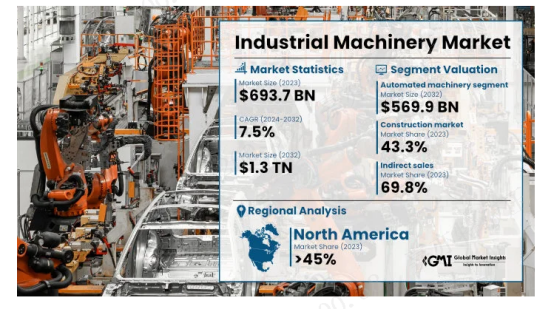
The industrial machinery market was valued at USD 745.73 billion in 2024 and is projected to grow at a CAGR of 7.5% during the period from 2025 to 2032, owing to the increasing prevalence of automation and smart technologies, which have significantly improved productivity. Meanwhile, the introduction of Industry 4.0 and the addition of technologies are changing the industrial landscape at a rapid pace.
What is a paver
As a kind of mechanical equipment widely used in road construction, paver is mainly used for paving operation of various materials for base and surface layers of highways and city roads. By means of a series of mechanical devices and control systems, the paver conveys concrete or asphalt materials from the hopper to the paving section, and then uniformly lays the materials on the ground by means of vibration and compaction, etc., finally forming a smooth road surface or ground.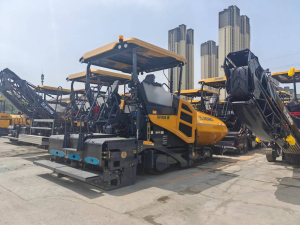
Pavers require the use of a variety of hydraulic accessories during their operation to ensure the proper functioning and control of their various systems. As pavers are required to perform a number of complex operations, such as paving, compacting, levelling and edge preparation. Each of these operations needs to be precisely controlled and coordinated to ensure paving quality and efficiency. At the same time, pavers need to precisely control the paving thickness to ensure the smoothness and consistency of the road surface. As we all know, the hydraulic system is an important guarantee for the high-speed and stable operation of the host equipment, and the manifold block as the heart component of the hydraulic system is the most important.
To better understand how manifold blocks are engineered for high-response, high-reliability mobile equipment, you can explore our Hydraulic Manifold Block Guide, which covers circuit integration, valve selection, testing standards, and common failure modes.
Principle of operation of the hydraulic cylinder
By manoeuvring the hydraulic cylinder, the piston rod extends and retracts, thus controlling the screeding device to swing around the front hinge point of the trailing arm (towing point), and realising the lowering or raising of the screeding device. This operation enables the paver to perform forced paving or floating paving as required. In the forced paving mode, the screed, the main engine and the hydraulic cylinders form a rigid frame that is out of motion, and the screed is forced to the required height above the ground for the thickness of the paving. In the floating paving mode, the screed is in a floating state, and can be automatically adjusted according to the unevenness of the grass-roots level to maintain the smoothness of the road surface.
Working Principle of Relief Valve and Axial Piston Motor: Relief valve and axial piston motor are commonly used hydraulic components in asphalt pavers. The relief valve controls the pressure of the hydraulic system by adjusting the hydraulic pressure and the working condition of the valve spool, while the axial piston motor drives the motor shaft to rotate and output the torque through the input of the pressure oil to realise the power transmission of the paver.
Floating and automatic levelling technology of the screeding unit: The screeding unit is suspended at the rear of the main engine through the levelling cylinder and lifting cylinder, and is in a floating state. Under even-speed travelling conditions, the screed is kept in continuous operation at a set height through the force balance of the screed, so as to control the paving thickness and road surface flatness. Meanwhile, the screeding device also has the function of automatic levelling. It senses the unevenness of the road base and road subgrade through the longitudinal slope sensor and adjusts the height of the traction point through the control of the controller and the electromagnetic reversing valve to restore the balance of force on the screeding device, they realising the automatic levelling of the system.
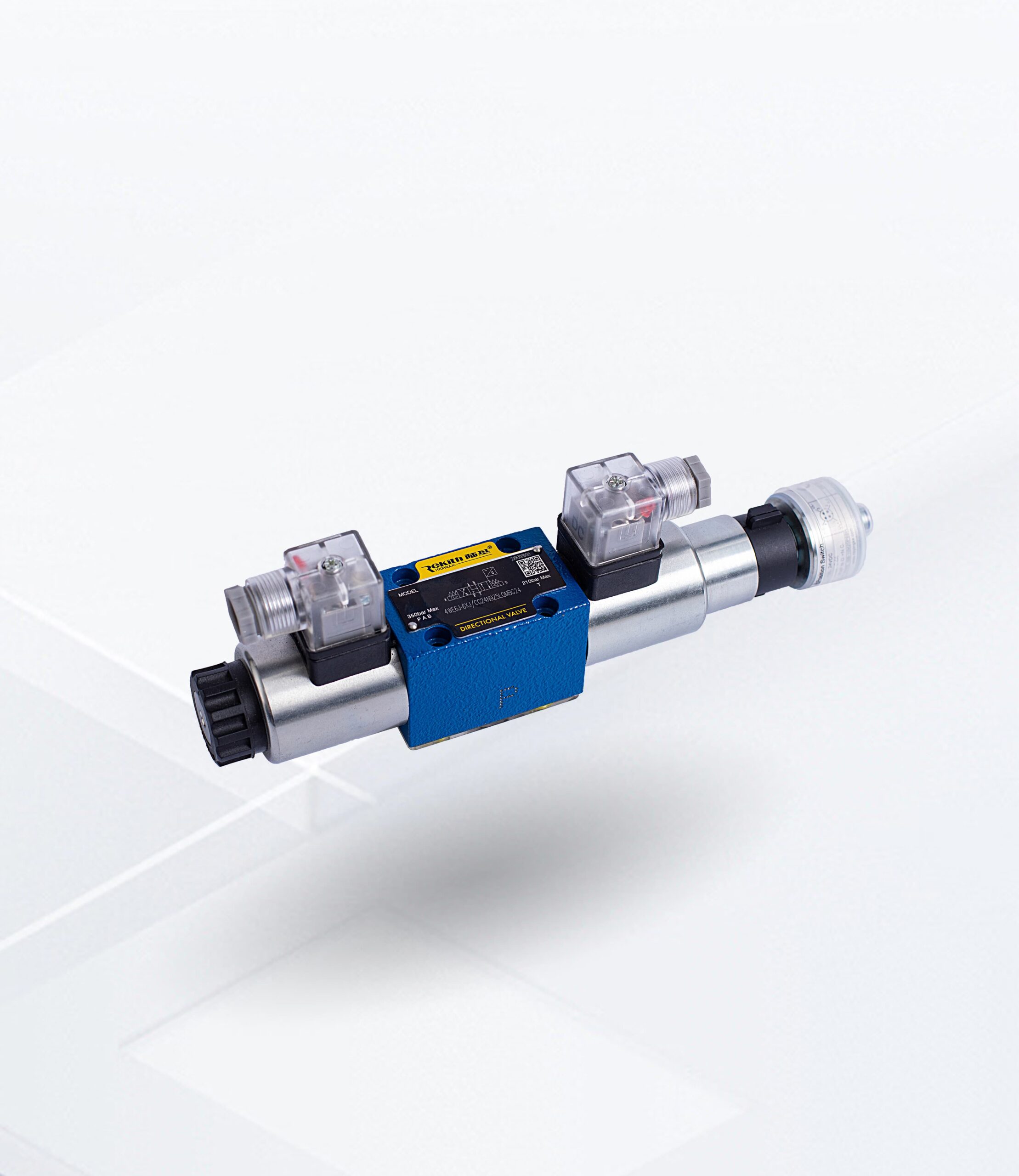
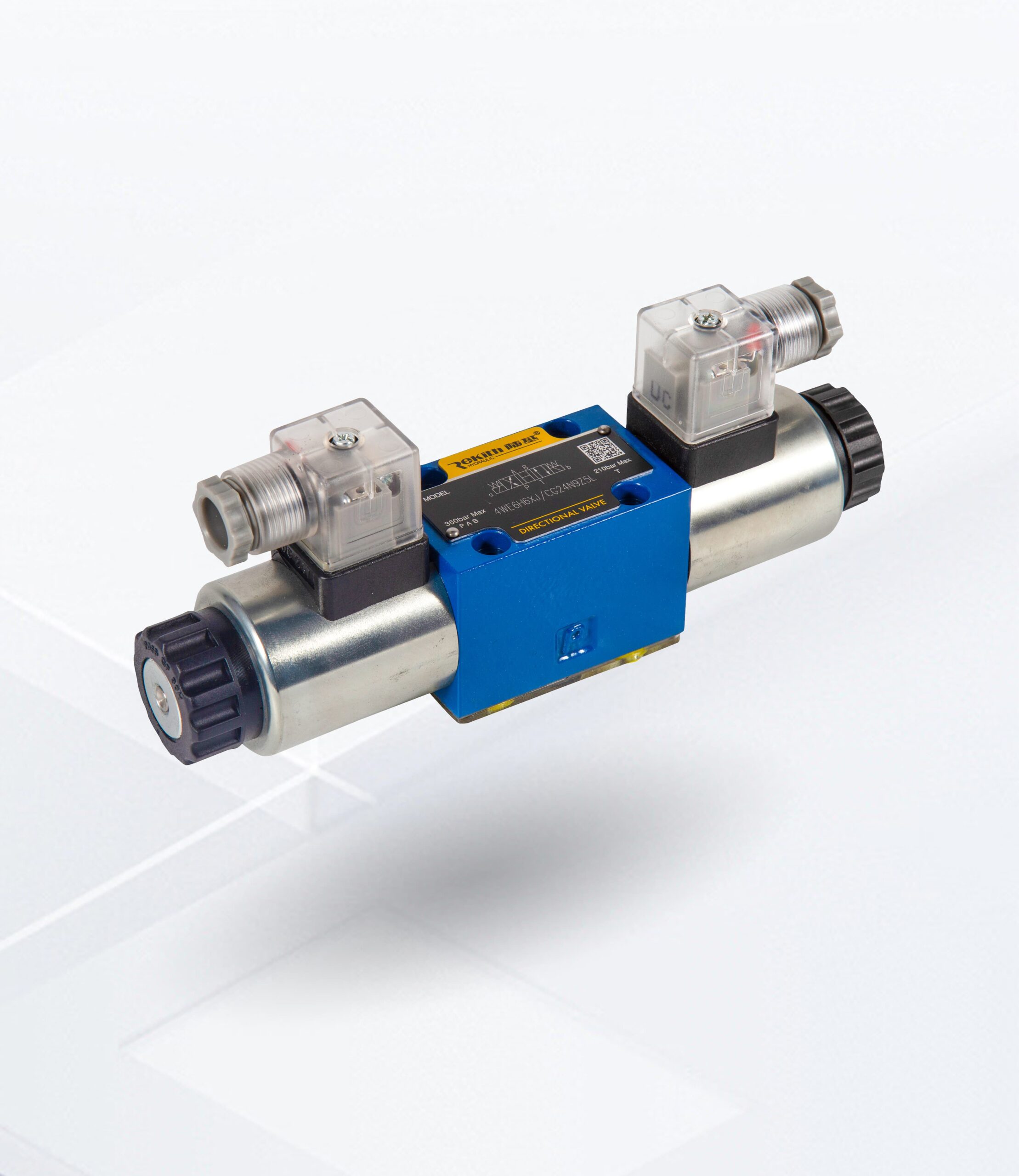
(4WE6H-6XJ/CG28N9Z5L-XG Levelling Solenoid Valve is a hydraulic valve specially developed for XCMG pavers. The response speed of the levelling solenoid valve affects the smoothness and tightness of the paving.)
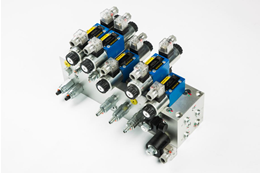
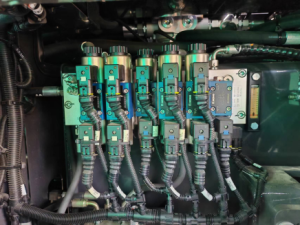
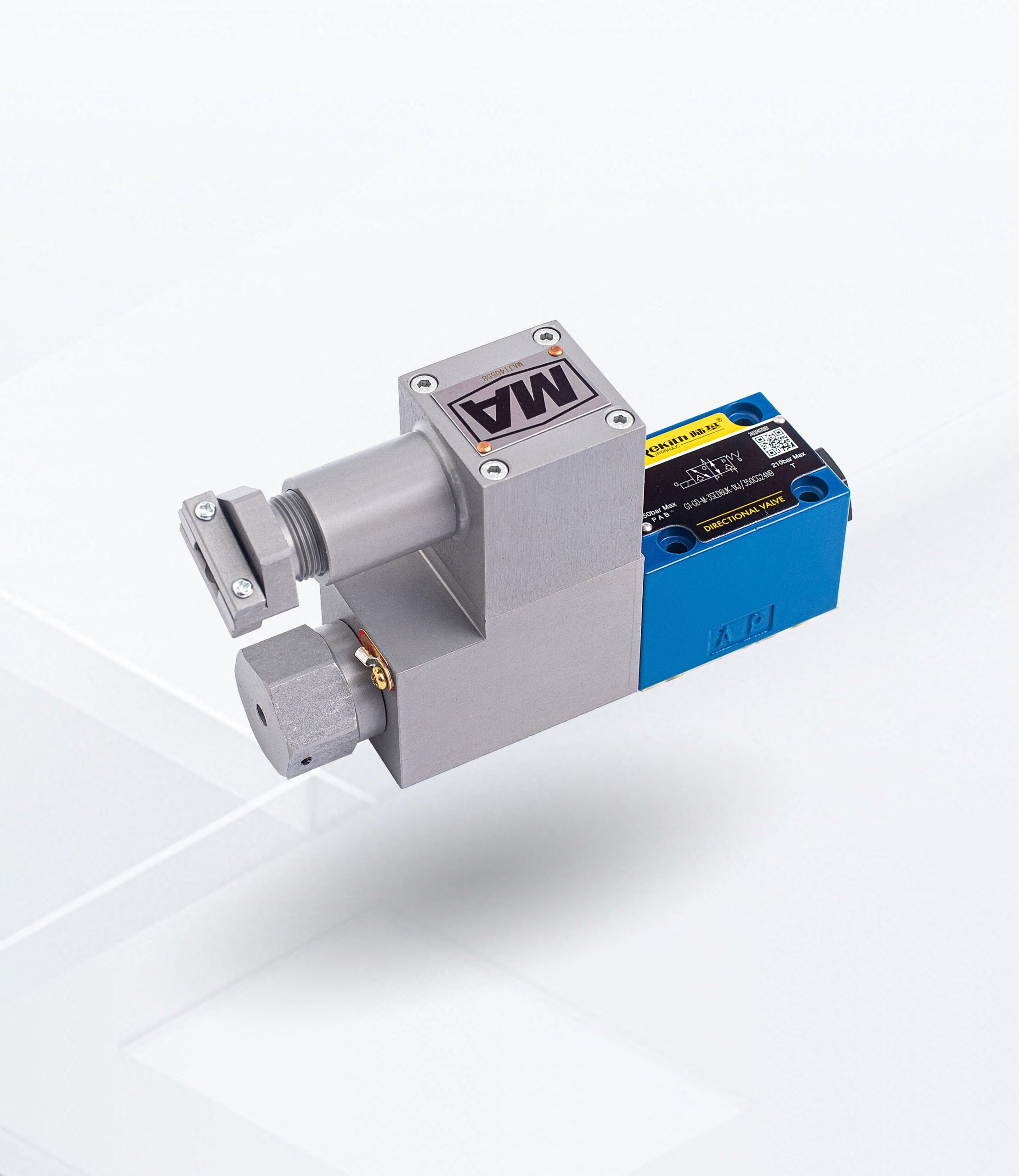
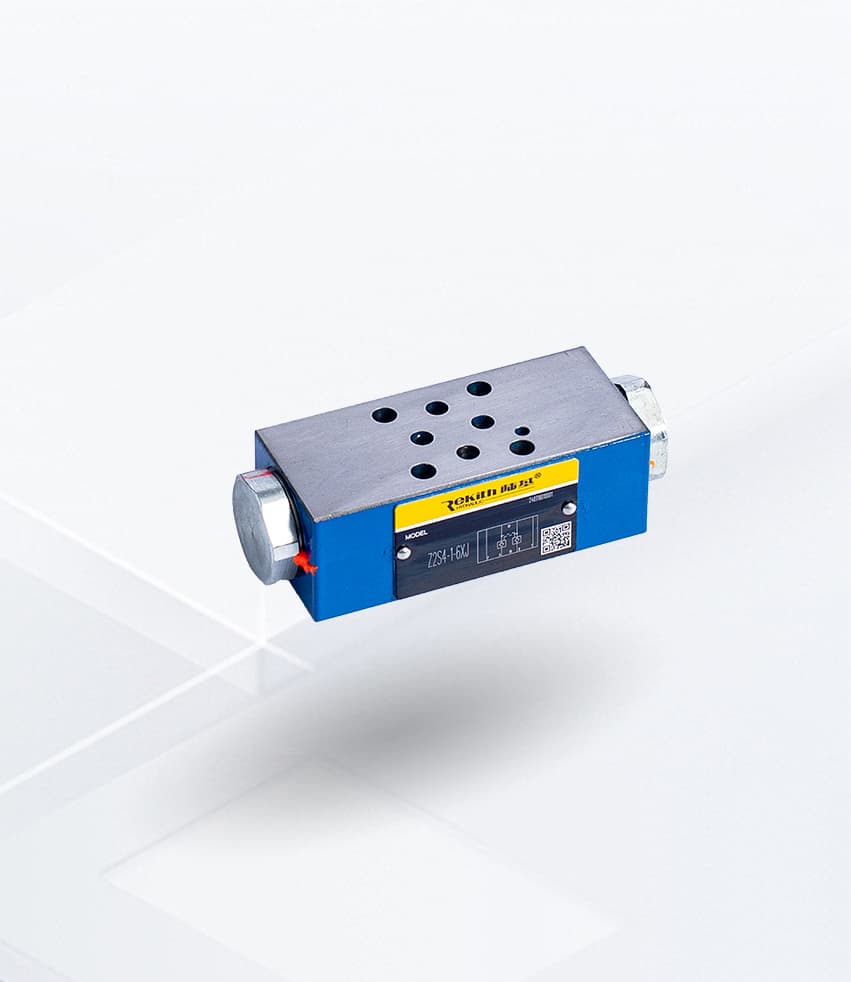
Rekith valve sets are fully applied on XCMG pavers, mainly:
1.Cylinder valves (mainly for adjusting paving elevation angle and thus ultimately controlling the paving thickness, in addition to controlling the opening and closing of hopper and screed lifting and lowering, etc.)
2.Infeed valve manifold block (to control the delivery of paving material)
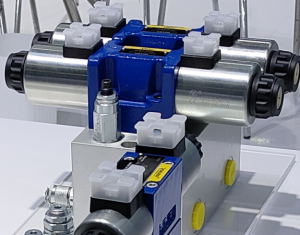
3.Left and right expansion hydraulic manifold block (control of screed expansion and contraction)
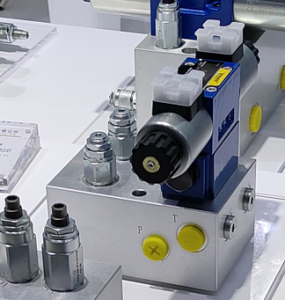
4.Tensioning hydraulic manifold block (control of track tensioning)
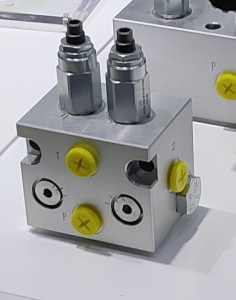
conclusion
All the hydraulic manifold block have been fully replaced by imported ones to realise the localisation of all hydraulic control parts of the paver. The hydraulic working principle of asphalt pavers involves the synergy of several hydraulic components and technologies, which ensures the efficiency of the paving operation and the quality of the road surface. After 4-5 years of verification, Rekith products are characterised by high reliability, fully capable of handling complex work procedures, high cost performance and short delivery time compared to imported parts.